education, pogovor
WATER ECOLOGIES. A roundtable accompanying the exhibition Wild Waters: In Search of Balance
06. 10. 2026
Galerija Slovenj Gradec

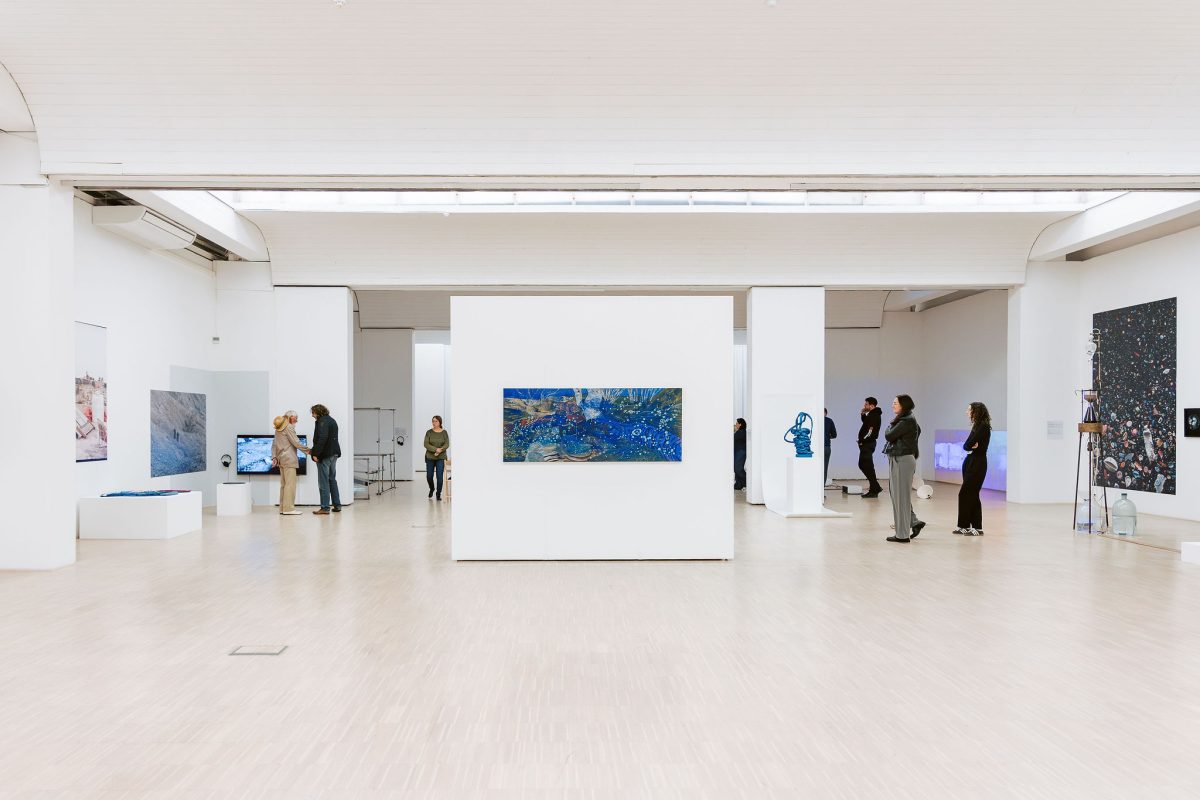
We warmly invite you to two international roundtables accompanying the exhibition Wild Waters: In Search of Balance: on 6 October at 18:00 at the Koroška Gallery of Fine Arts (KGLU) in Slovenj Gradec, and on 7 October at 18:00 at Atrium ZRC SAZU in Ljubljana (>>).
WATER ECOLOGIES
A roundtable accompanying the exhibition Wild Waters: In Search of Balance
Tuesday, 6 October, at 18:00, KGLU, Slovenj Gradec
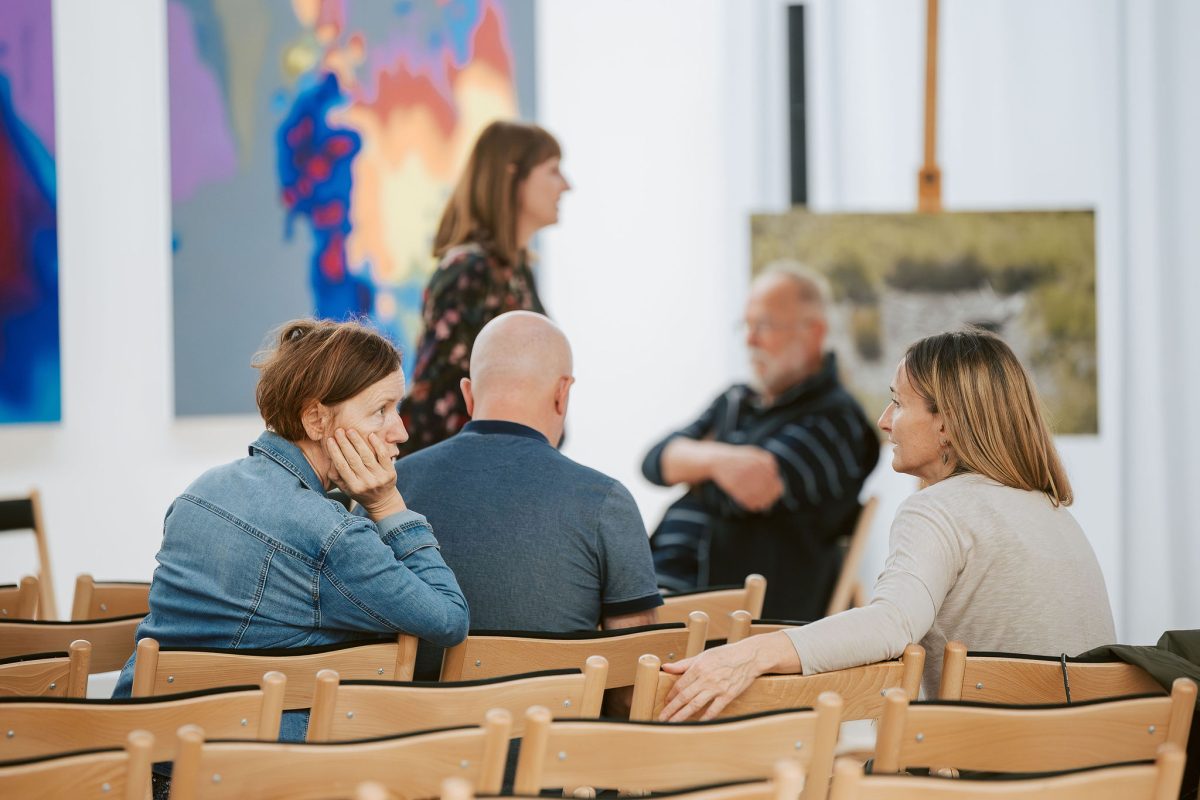
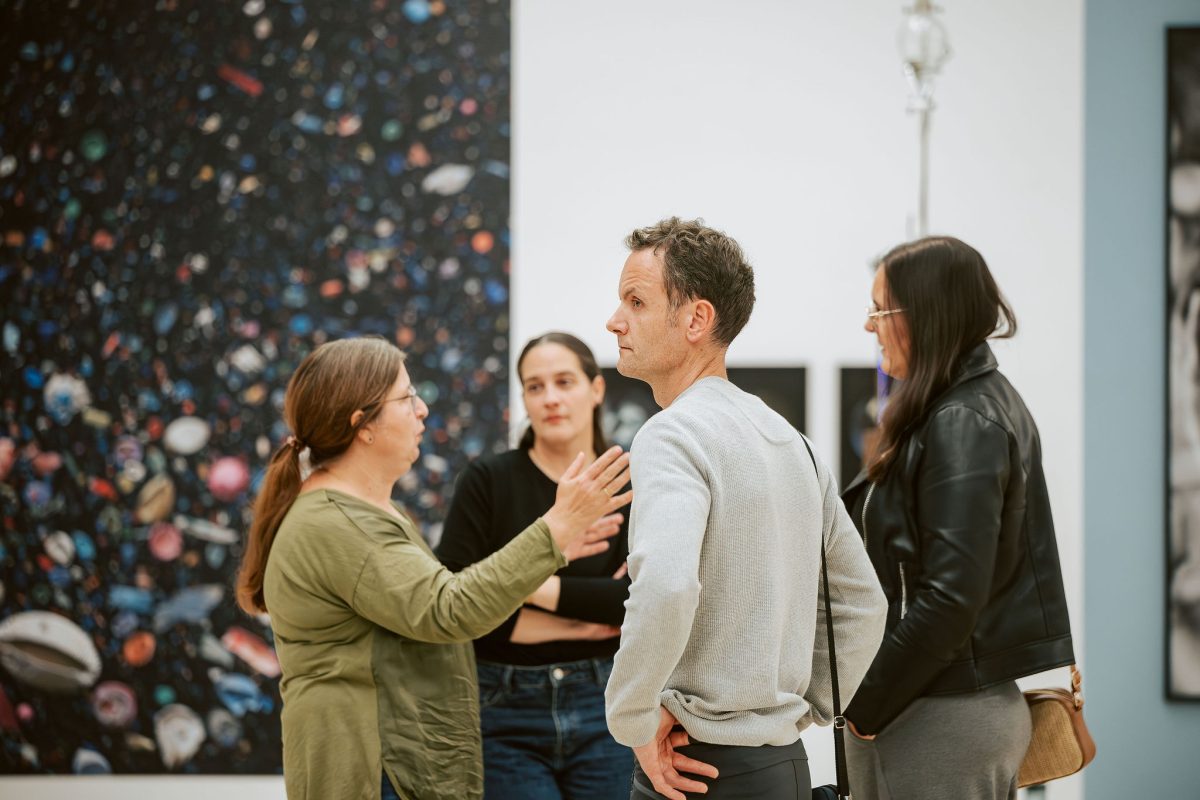
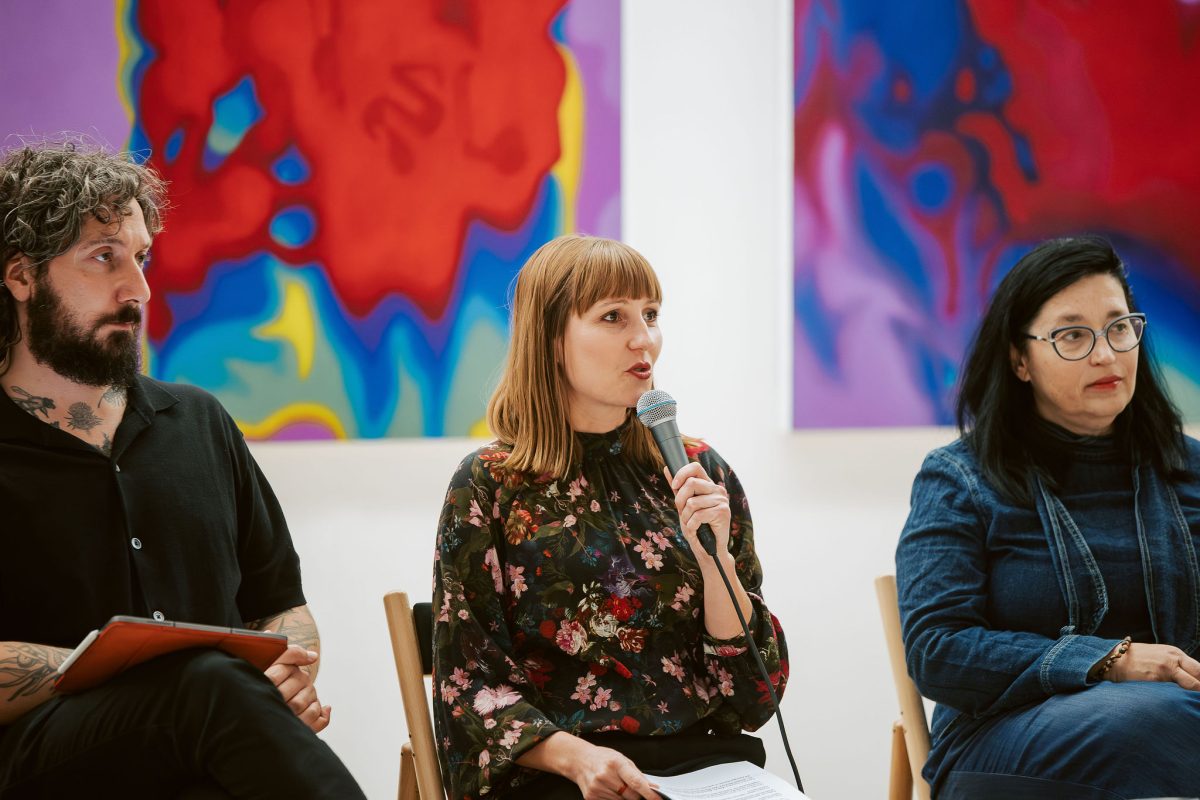
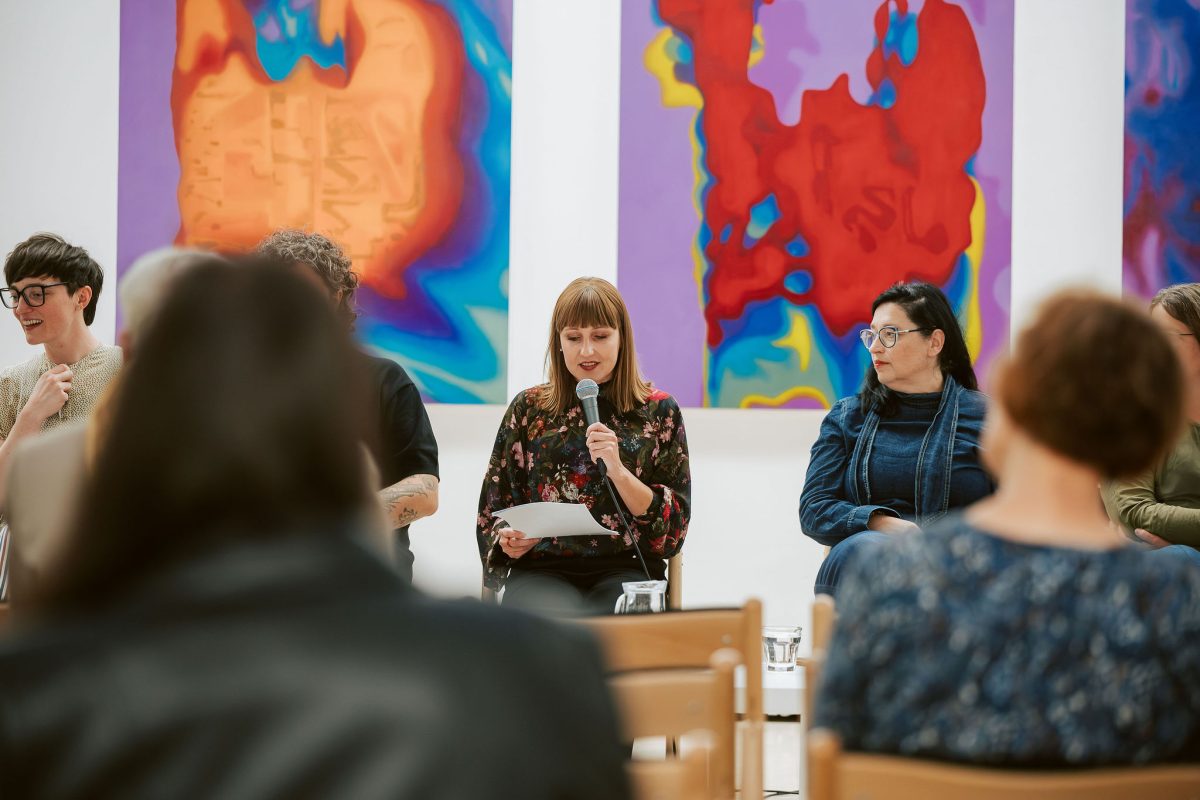
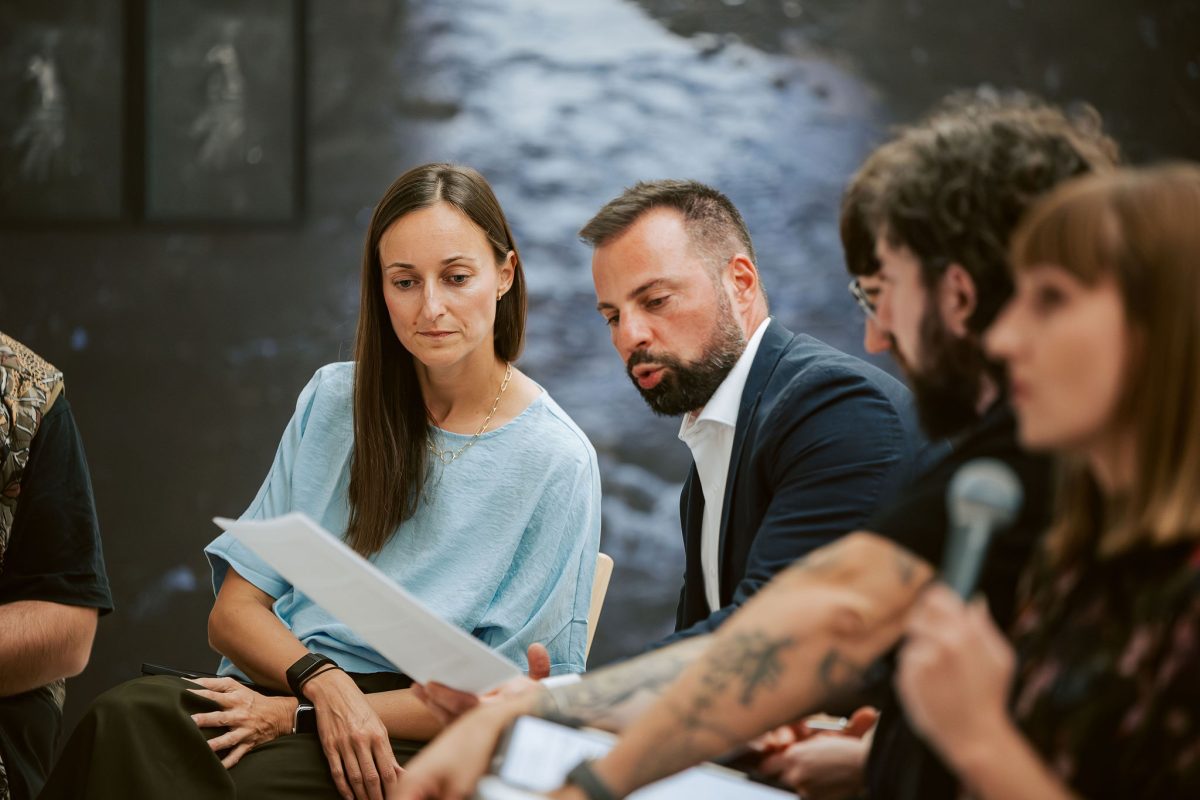
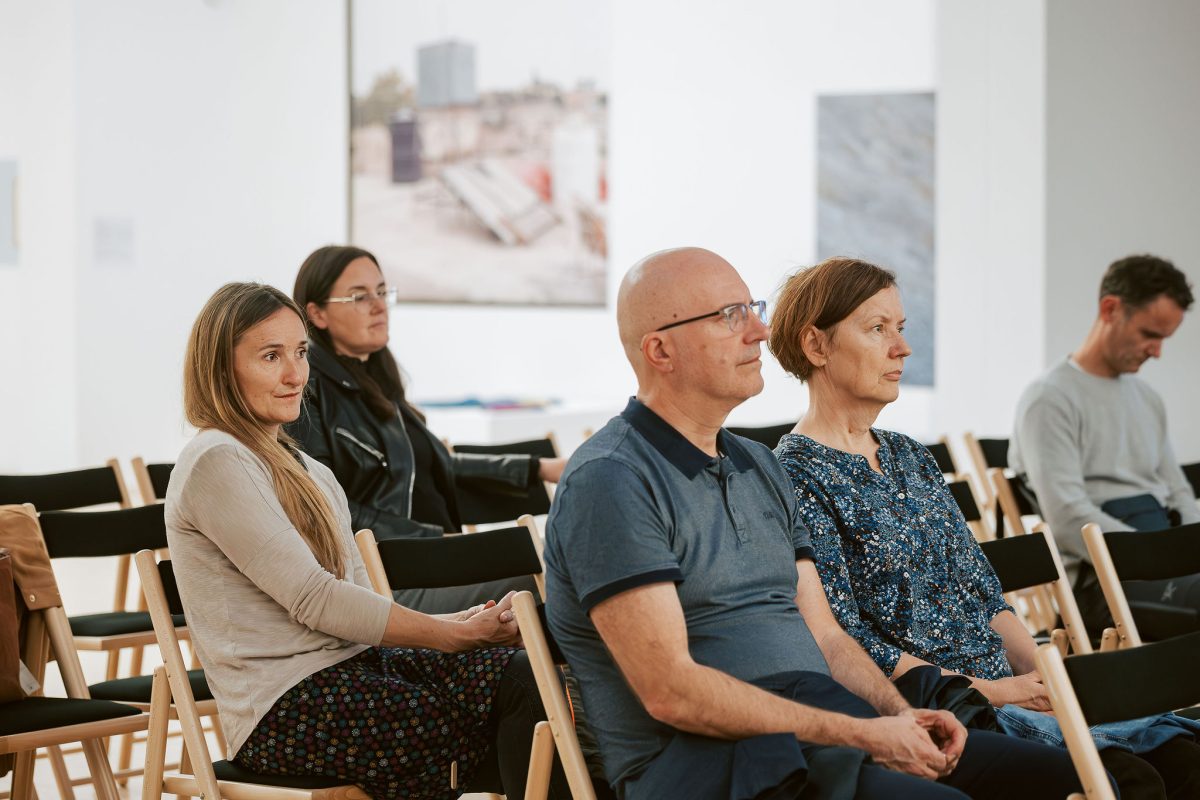
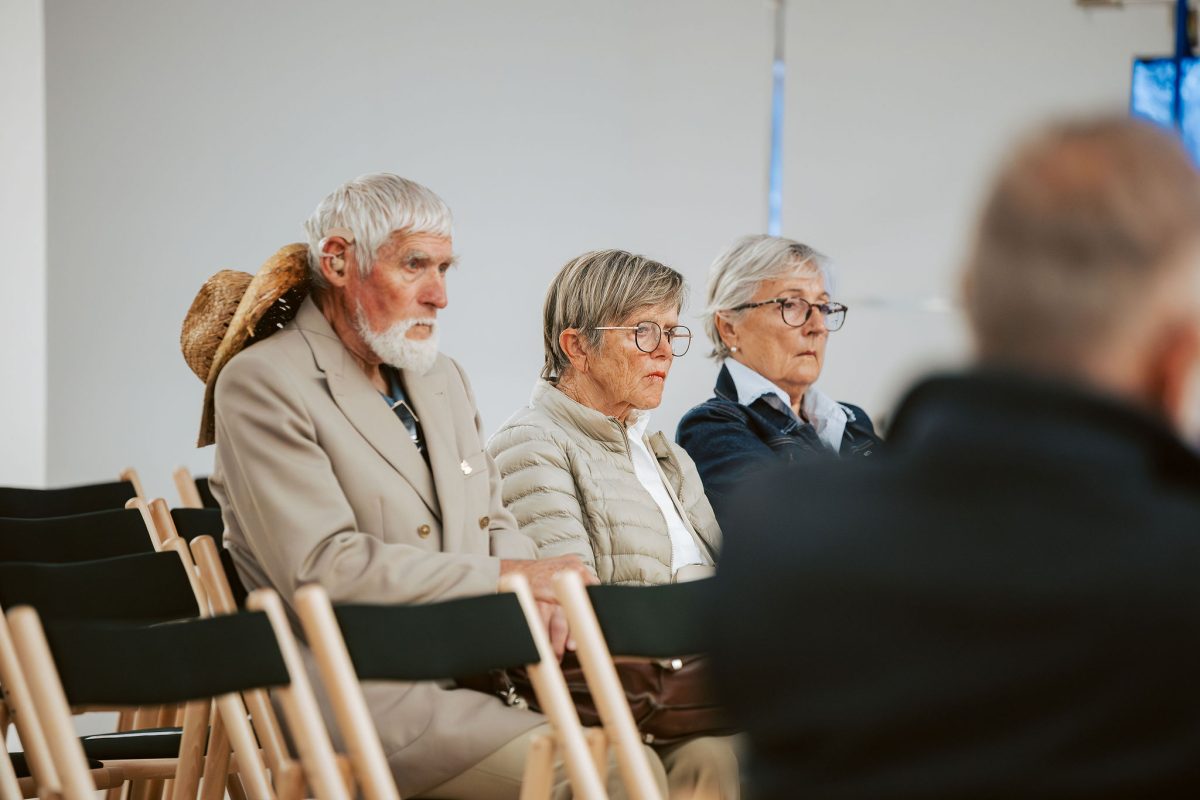
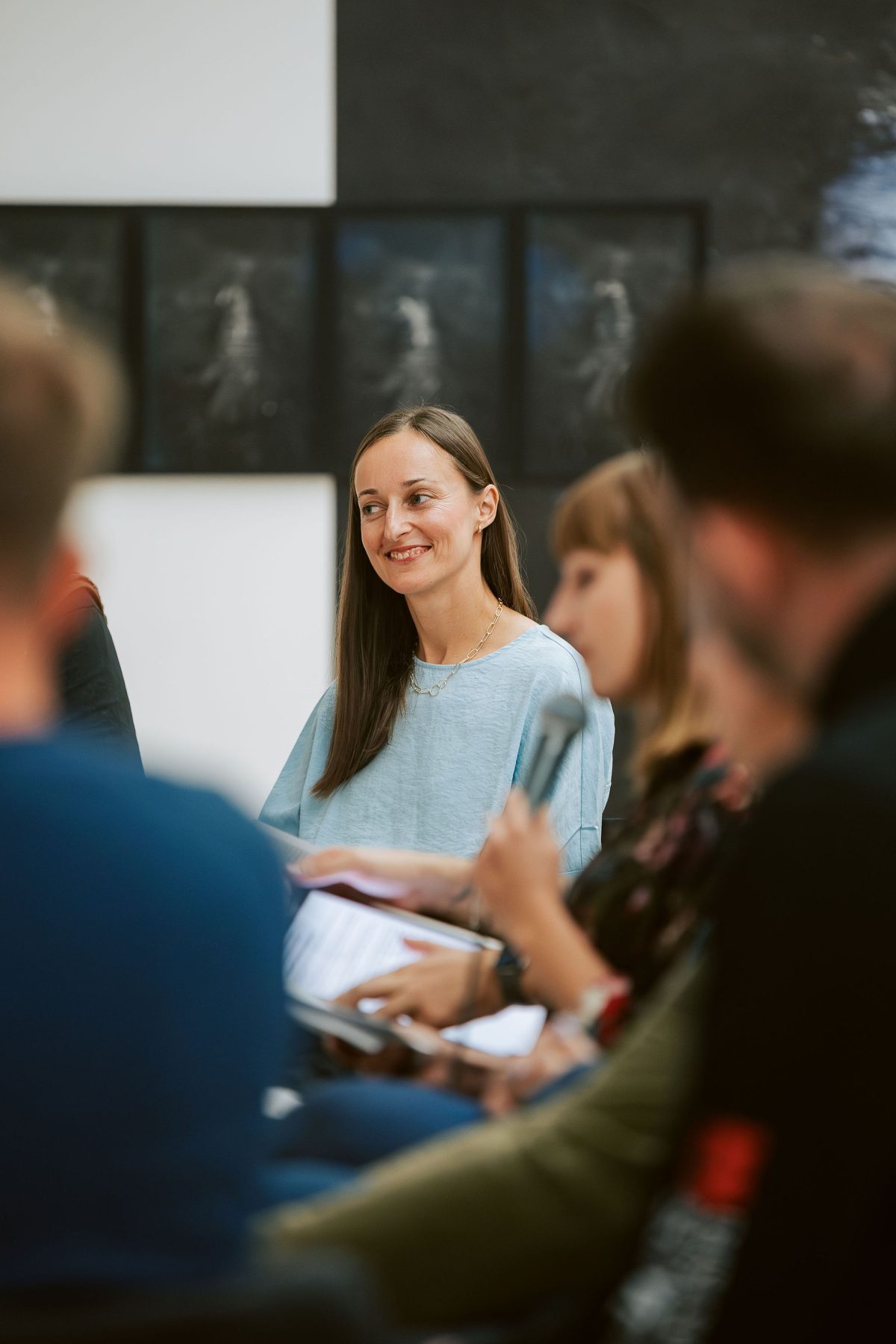
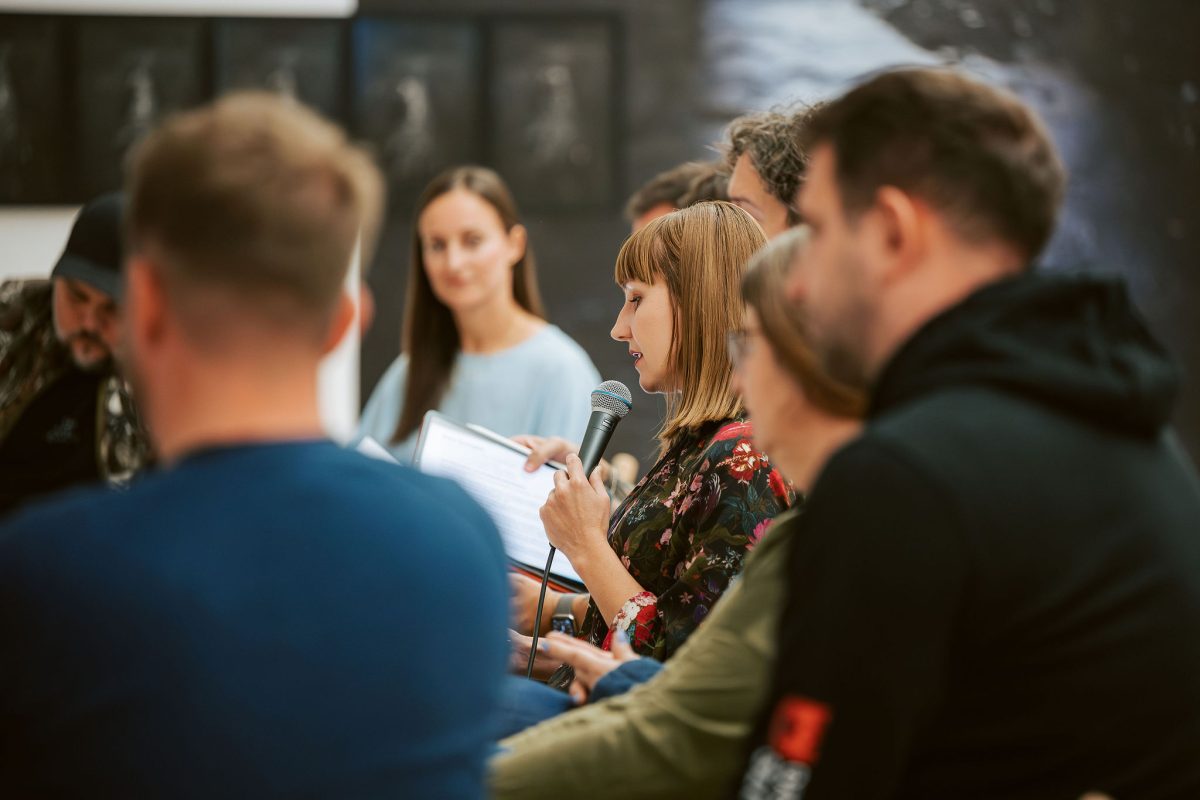
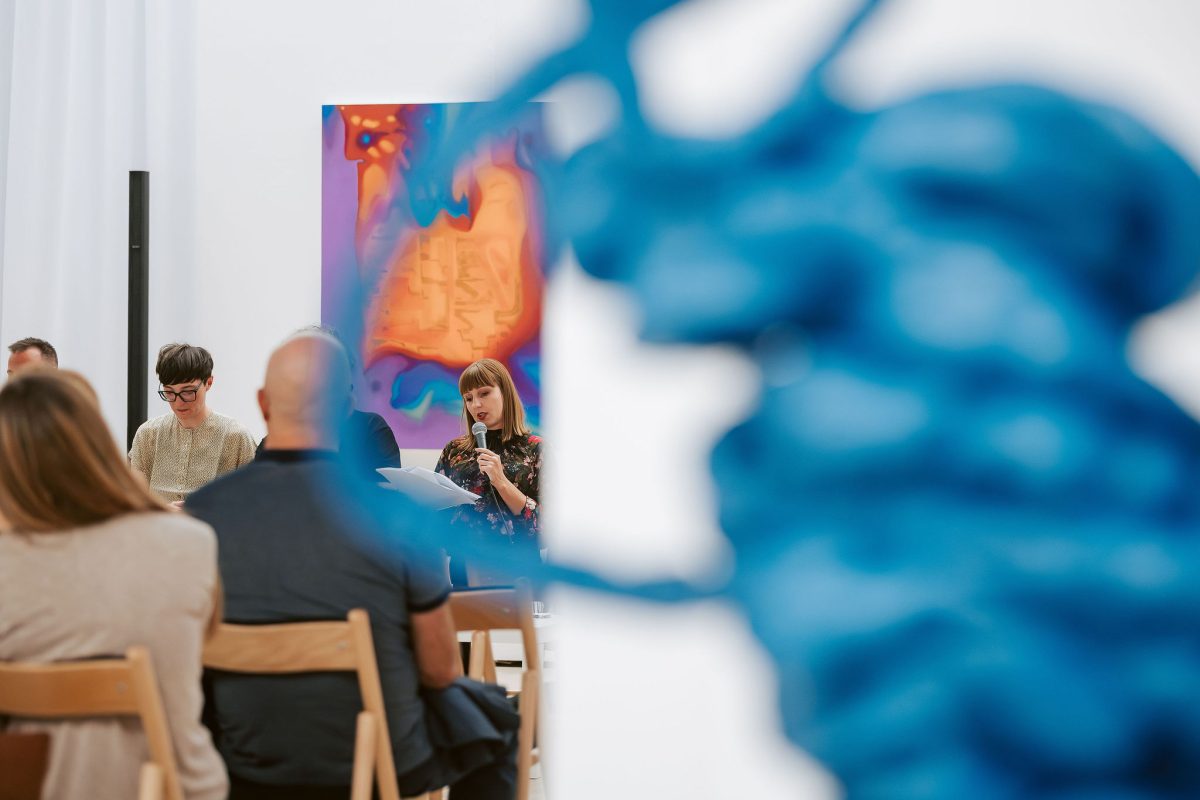
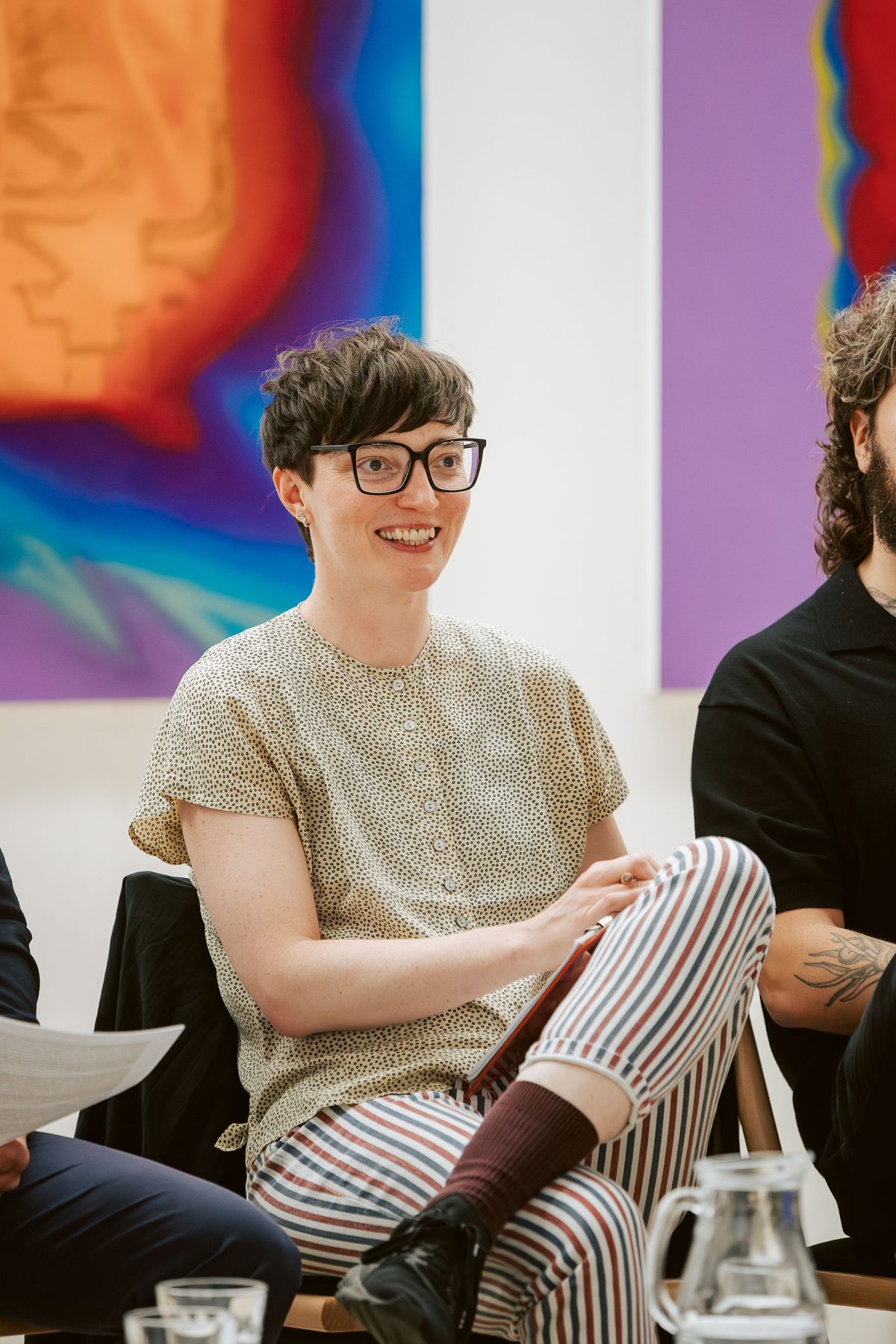
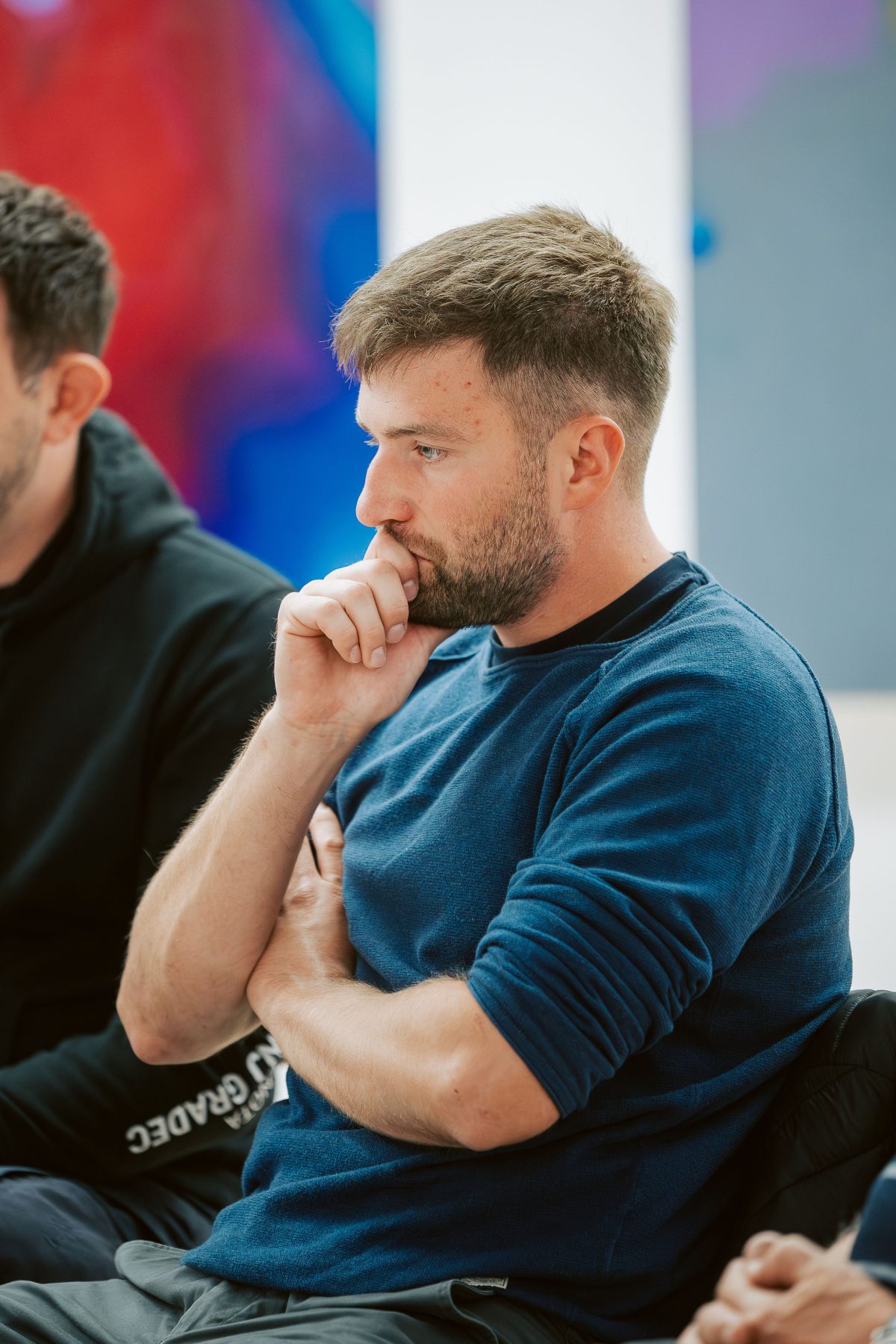
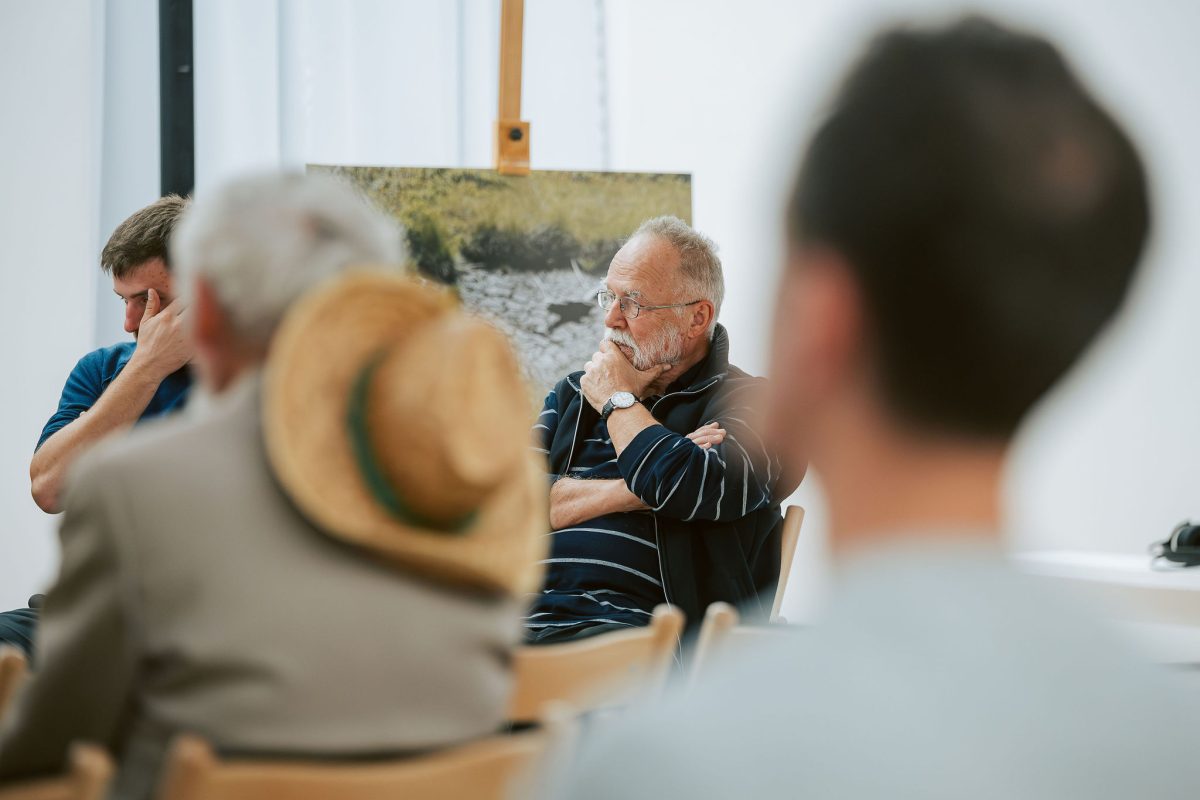
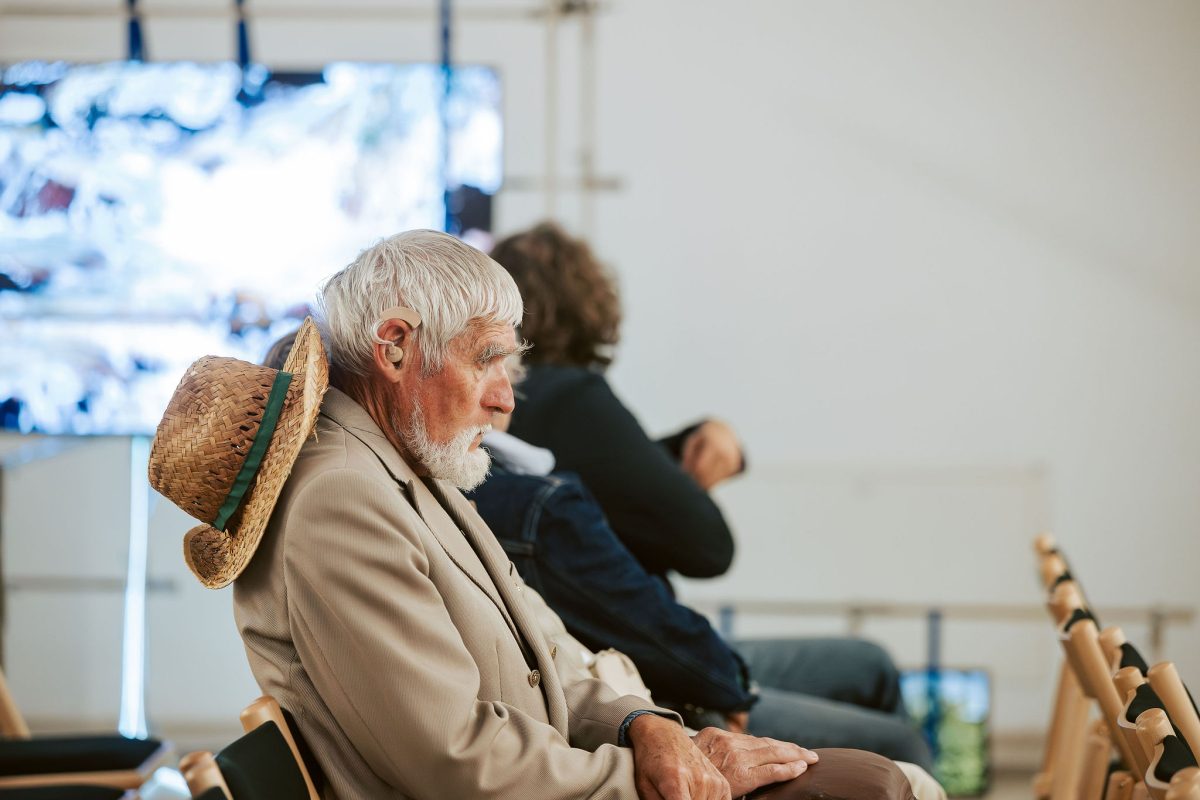
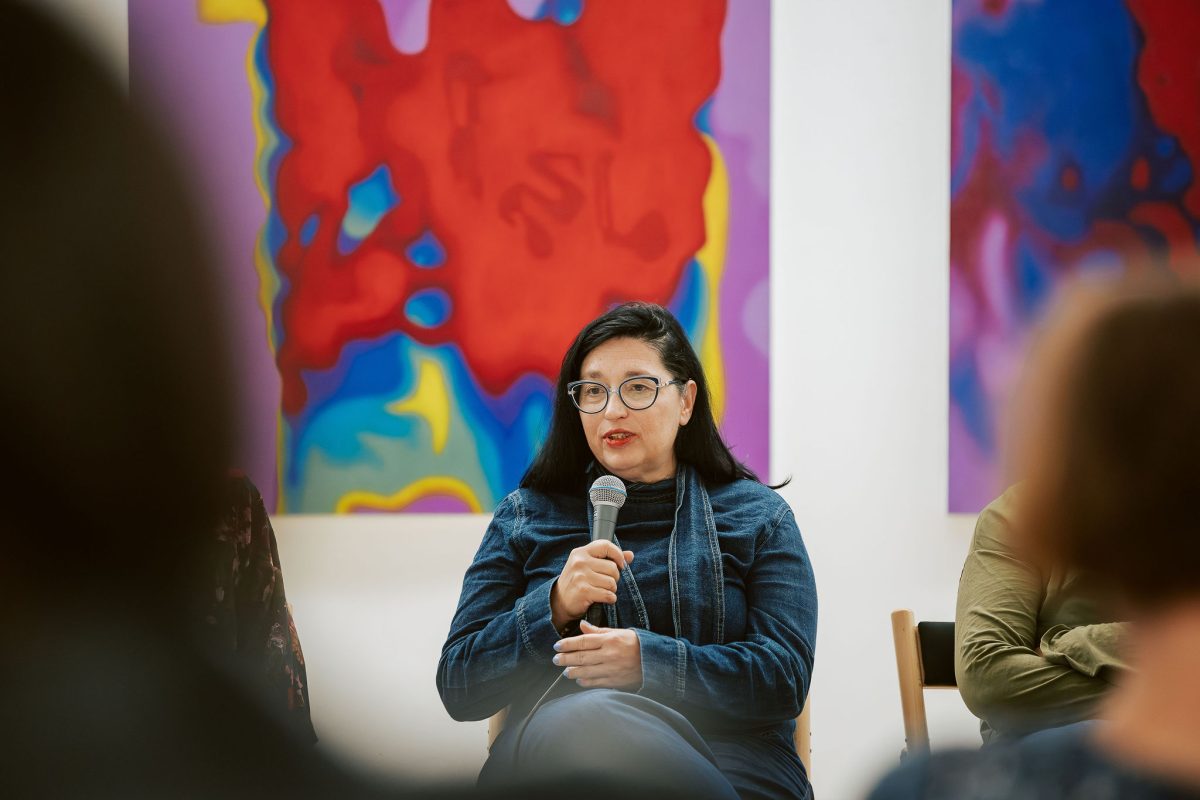
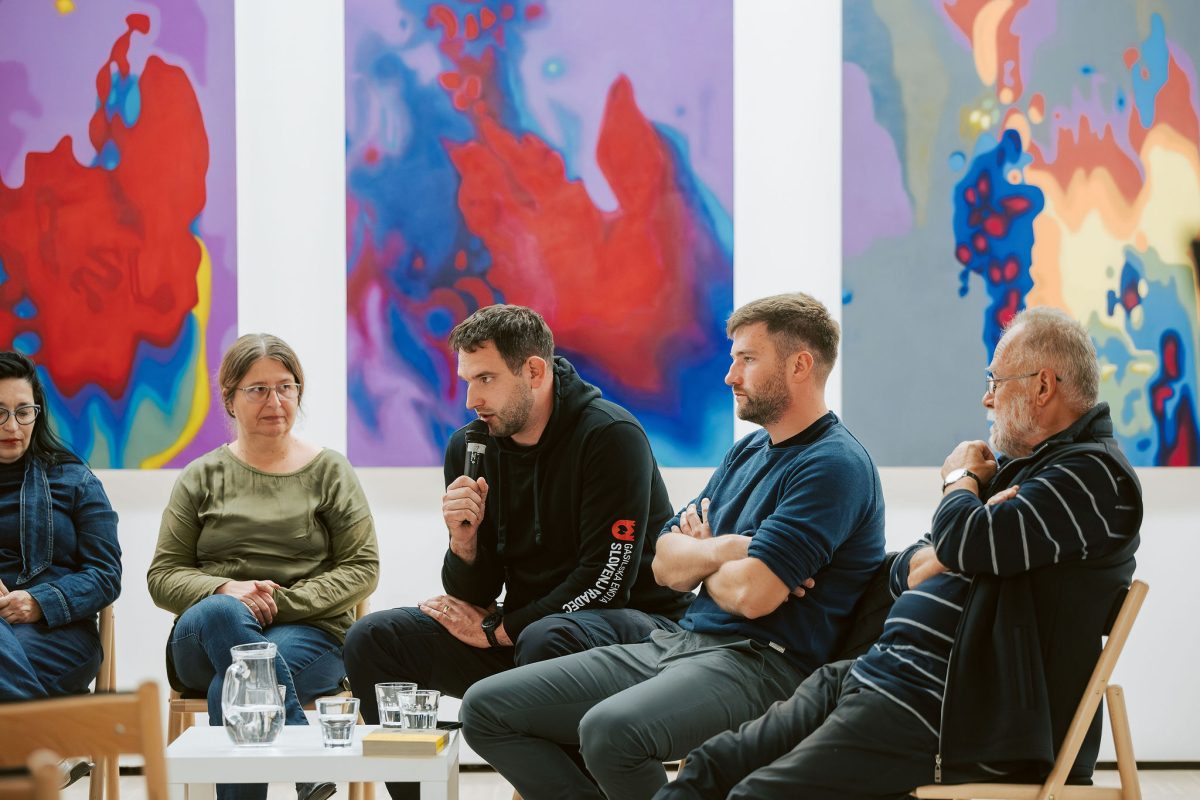
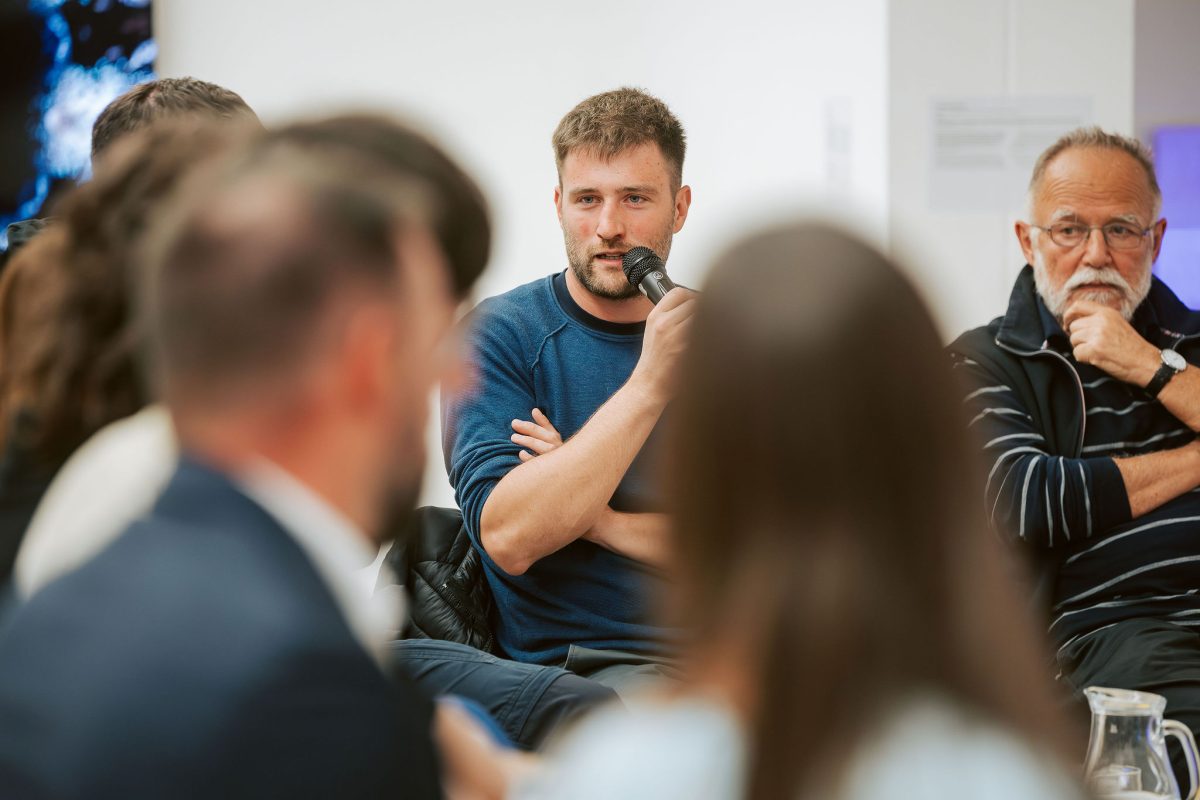
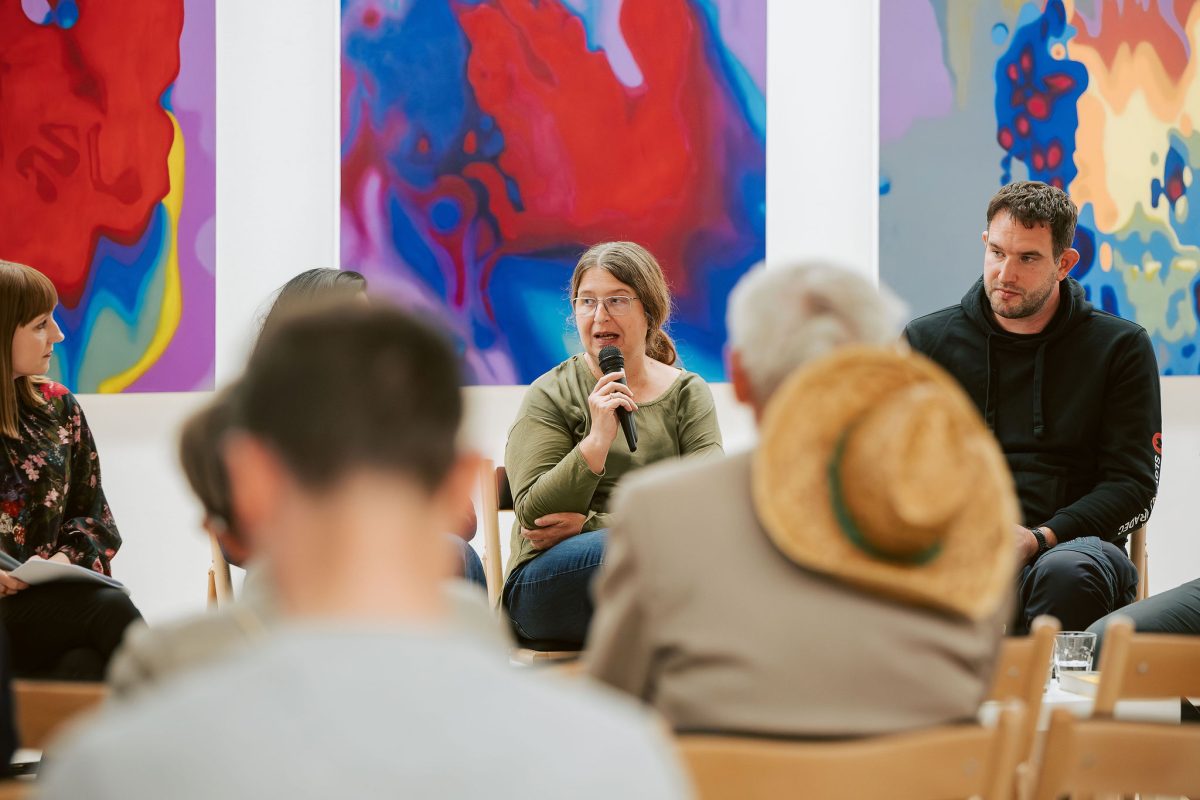
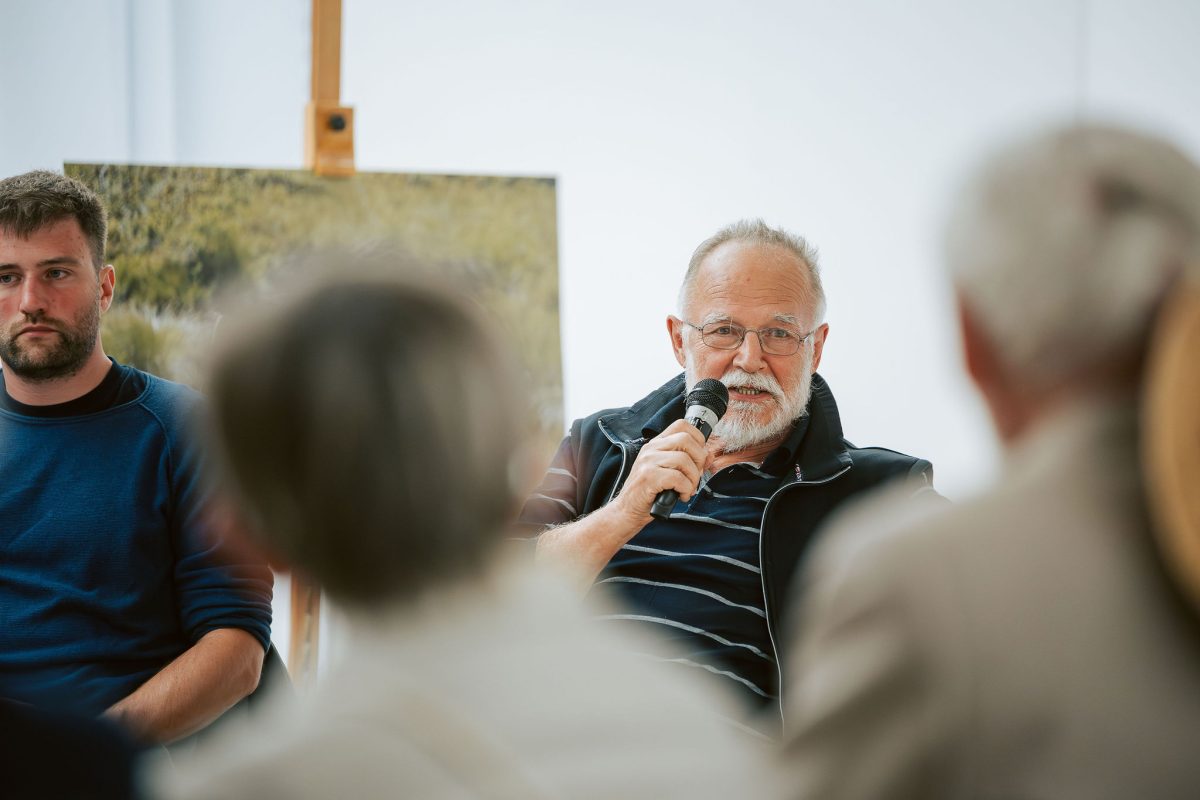
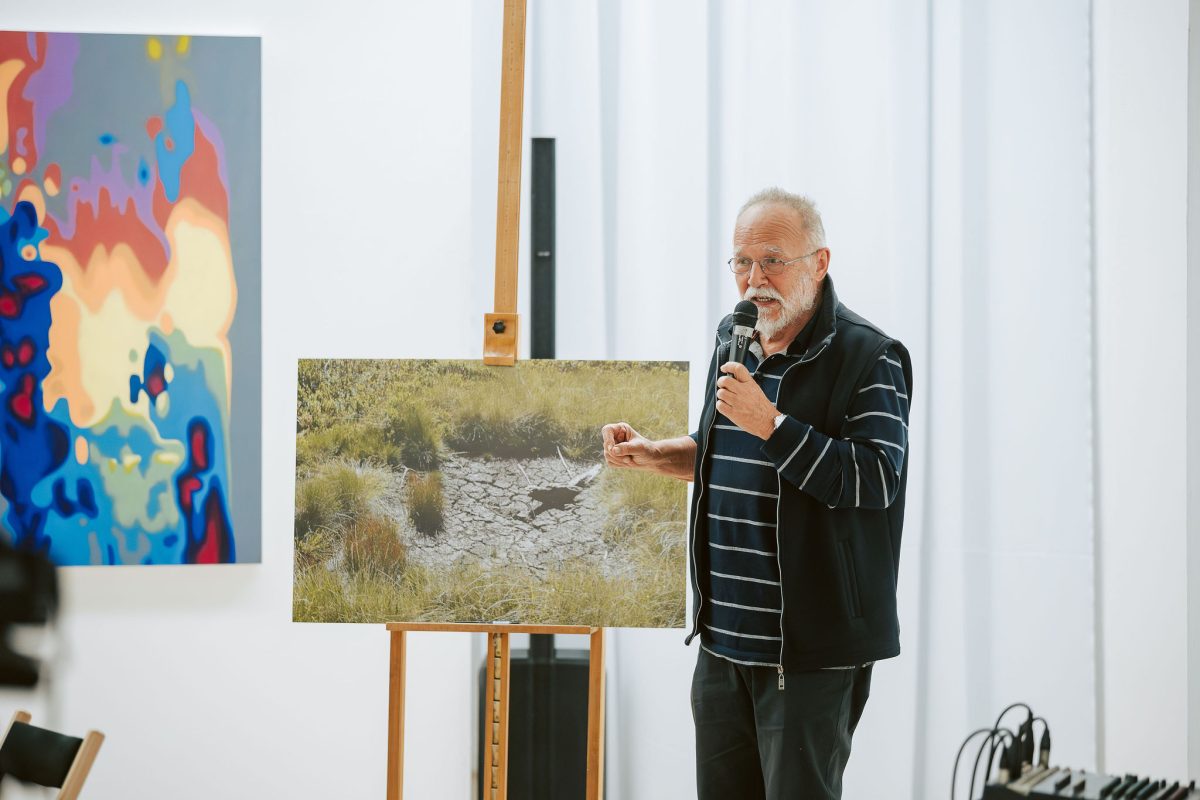
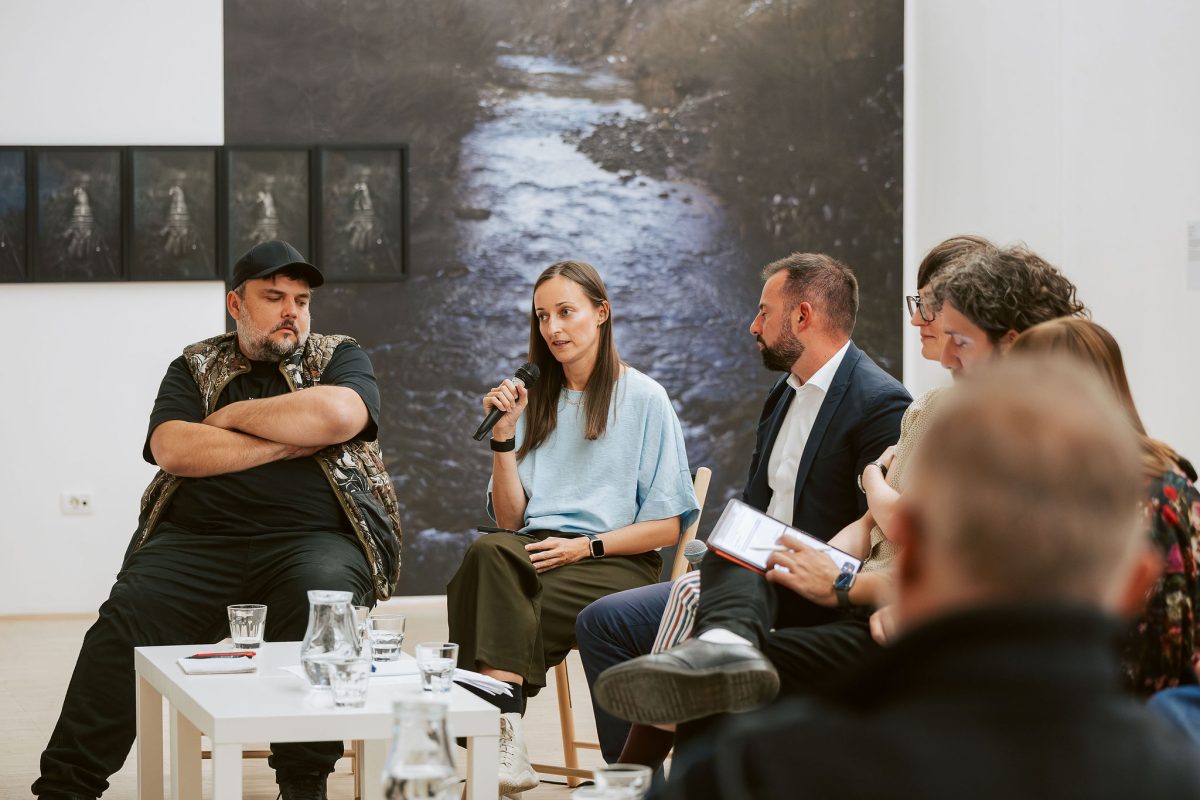
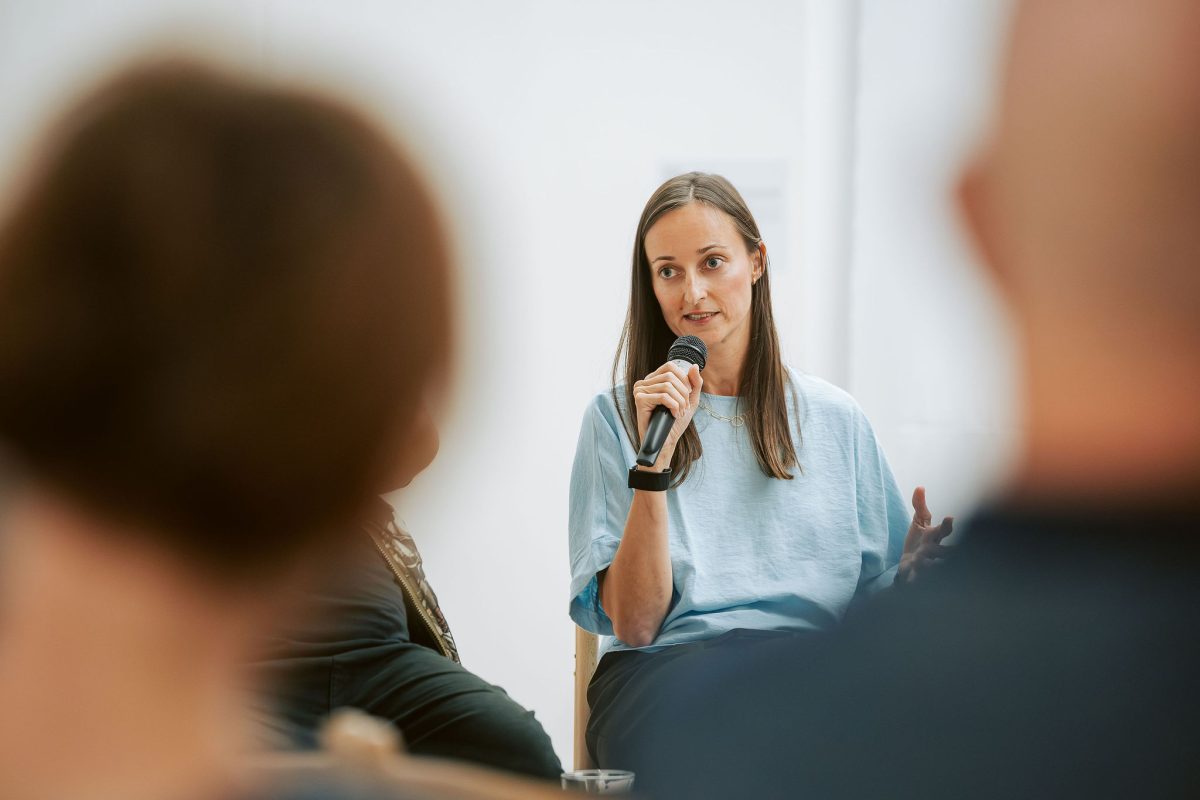
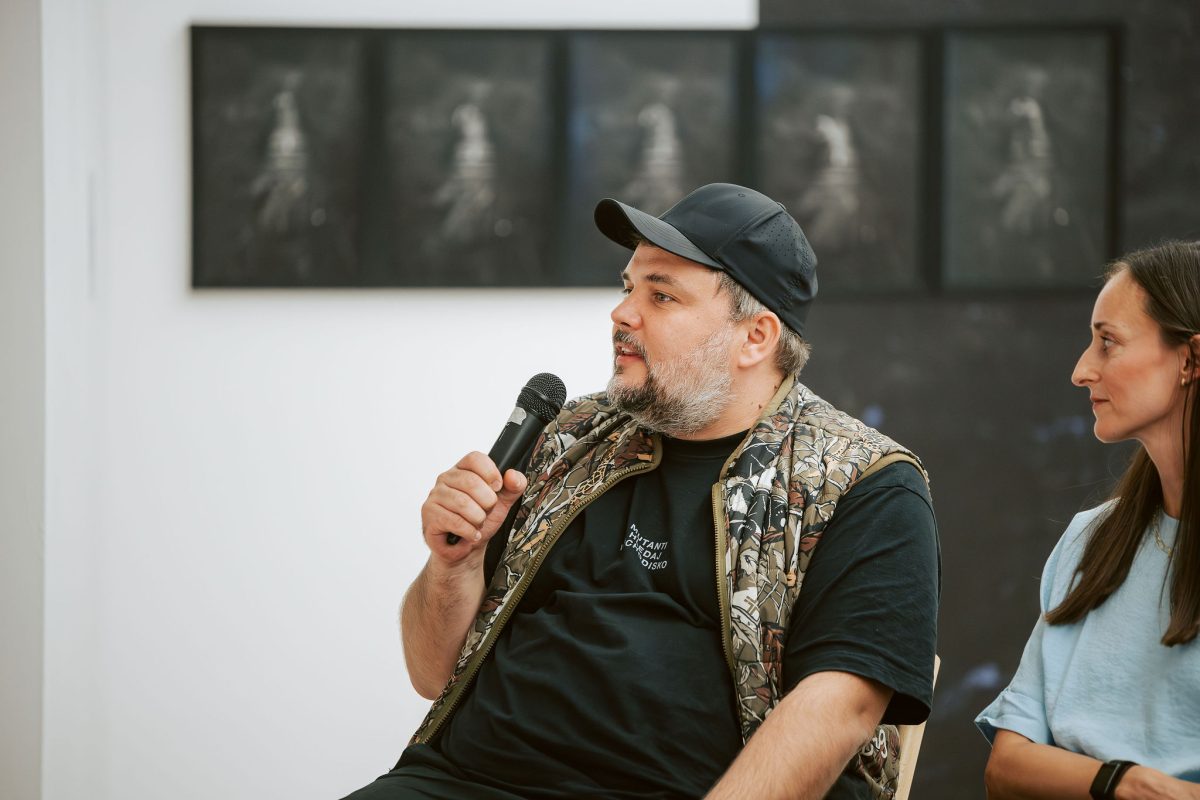
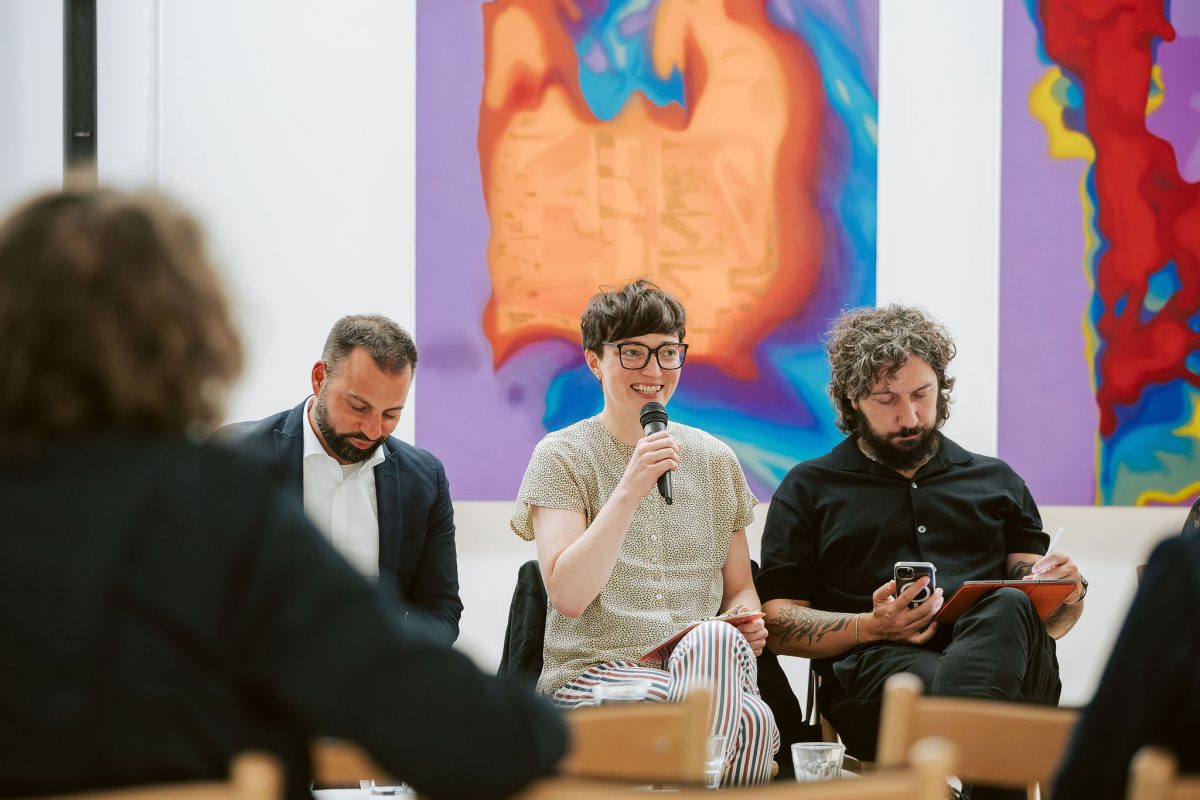
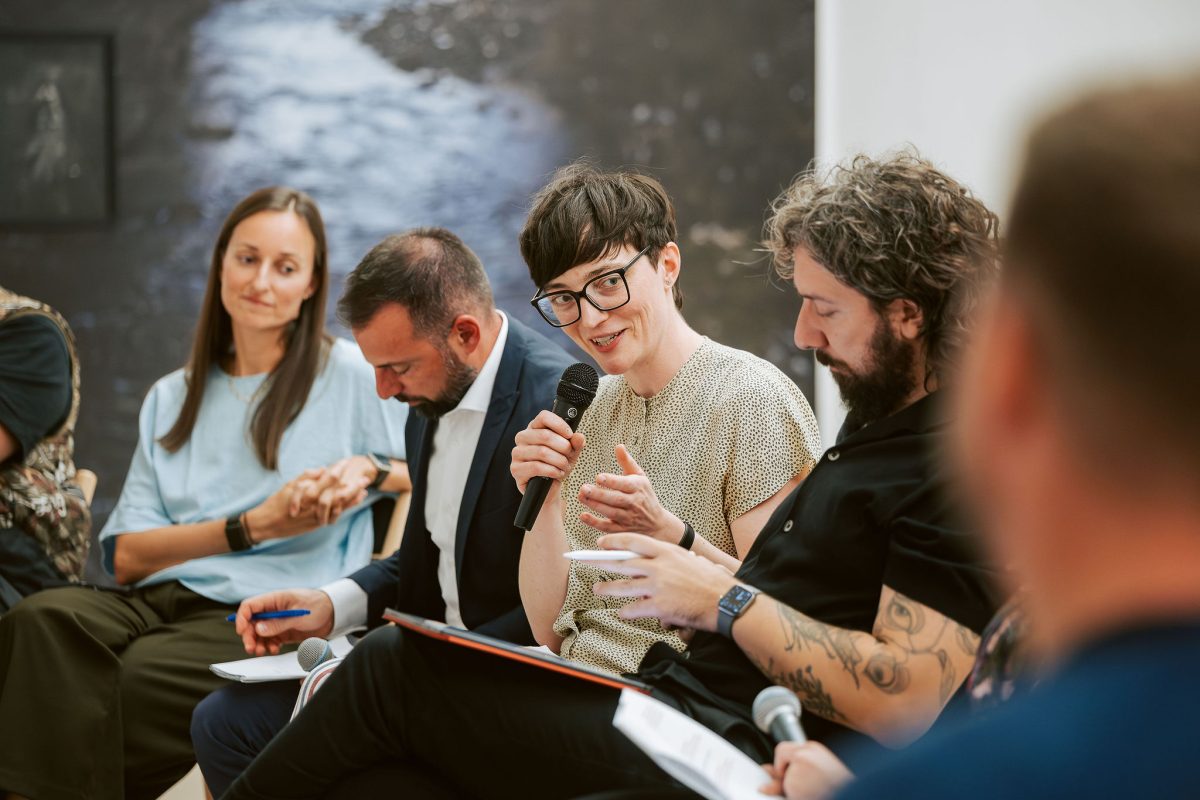
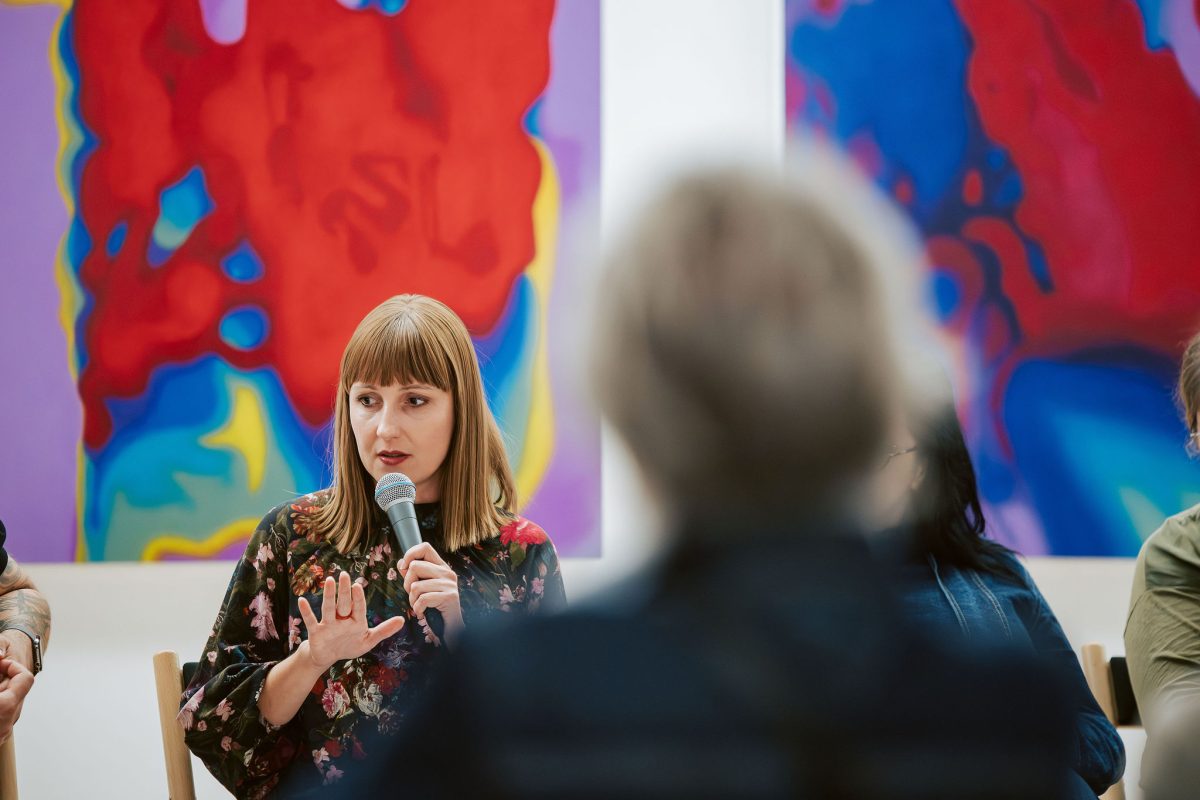
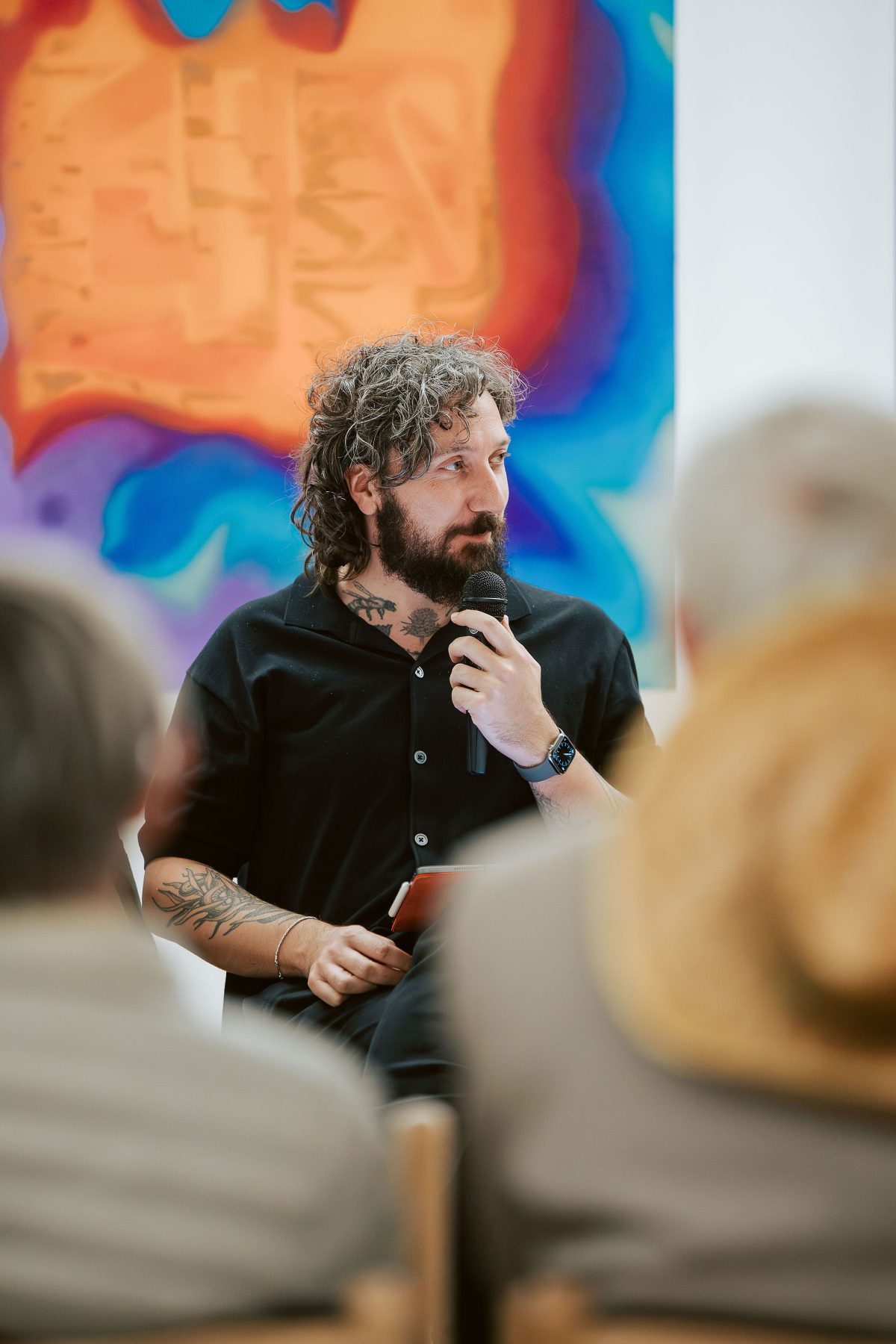
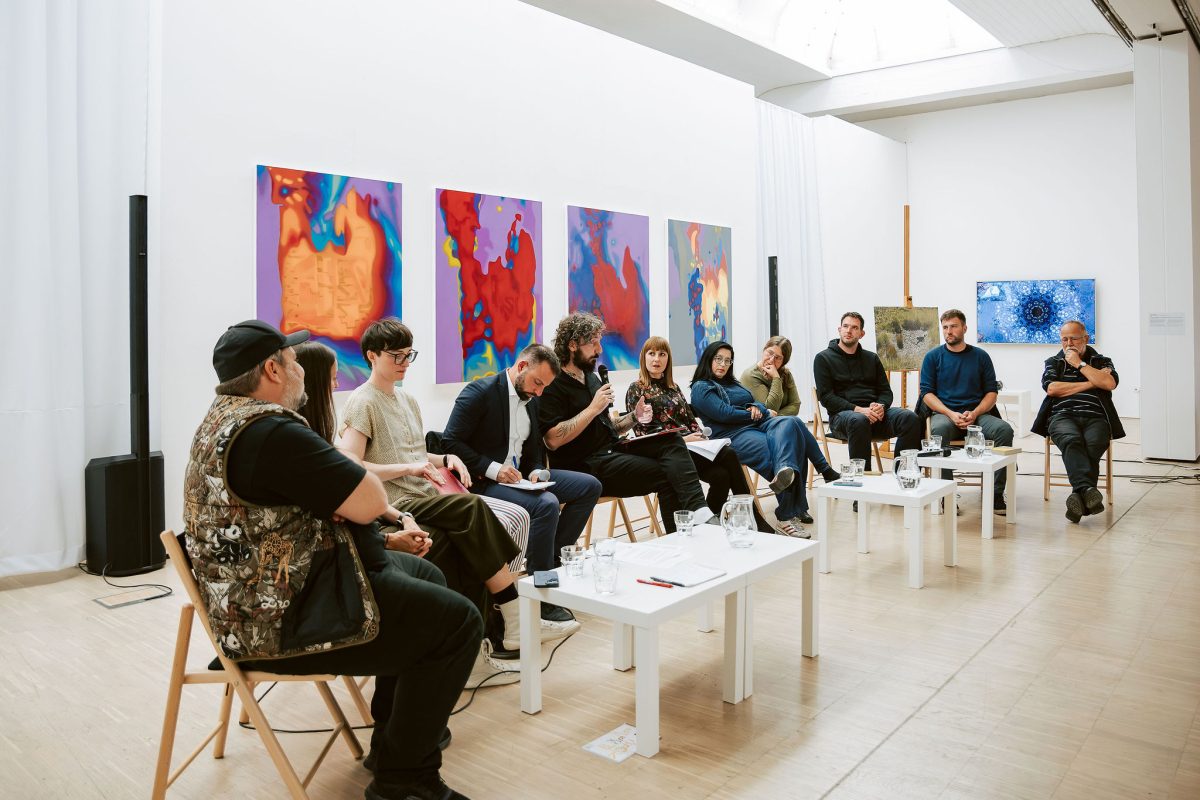
What can art, science, and the people who live in an environment tell us about it? How are rivers and lakes changing as a result of human interventions and climate change? And how can we observe, document, and understand these changes? The roundtable accompanying the international exhibition Wild Waters: In Search of Balance will bring together artists, researchers, representatives of local communities and volunteer organisations, as well as international cultural and research networks, through concrete examples from Koroška and the wider region.
One of the central examples will be the Mislinja River and Robertina Šebjanič’s project Shadows Above My Window_Mislinja 238 km². Through listening and hydroacoustic research, environmental measurements, data, archival materials, and local knowledge, the project explores the river and its surrounding environment. The discussion will consider what these different approaches to research can reveal about the state of aquatic environments and the changes they are undergoing.
The second example will be Družmirje in the Šaleška Valley, a former village that disappeared beneath the waters of today’s Lake Velenje as a result of decades of lignite mining and land subsidence. Through her work, artist Nataša Tajnik Stupar explores questions related to changing landscapes, memories of a vanished place, and the long-term consequences of human interventions in the environment.
An important part of the discussion will also focus on local environmental monitoring and responses to environmental change. Together with representatives of the Nature of Pohorje Association and the Slovenj Gradec Volunteer Firefighting Association, we will explore what the direct experiences of people who observe, study, and respond to their environment on a daily basis can tell us about a place – from changes in nature to floods and other events.
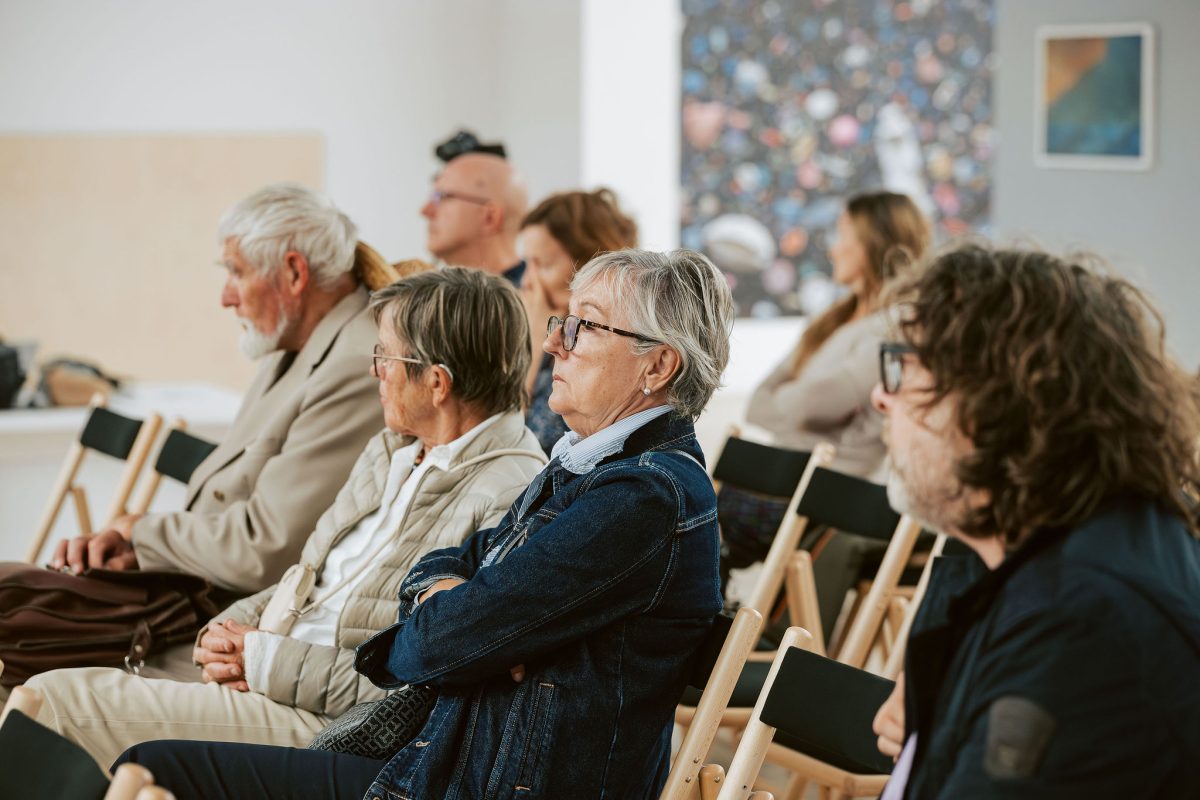
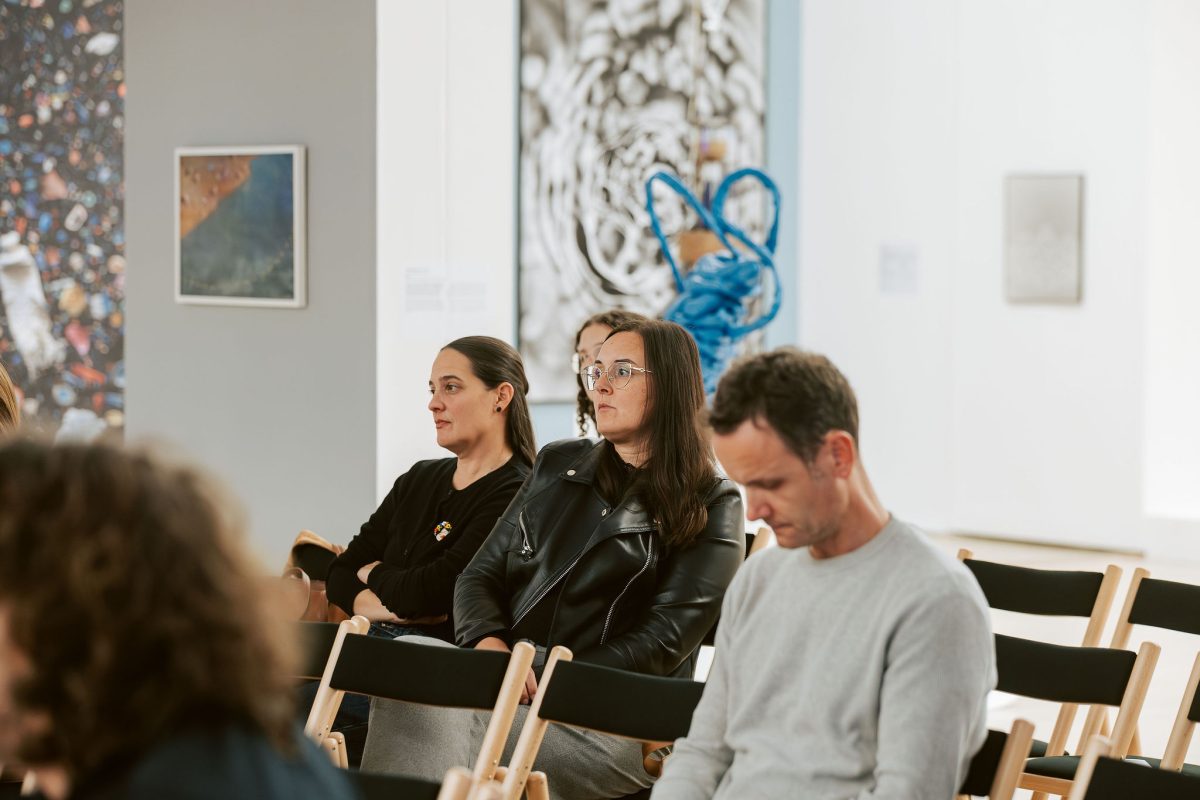
From the local environment, the discussion will extend into the international sphere. Guests from the networks of TBA21–Academy / Ocean Archive, Ars Electronica, Ars Biologica, and Wunderkammer will present different approaches to connecting art, technology, research, and ecology.The roundtable will focus on concrete questions related to water and environmental change – from the study of rivers and the consequences of mining to the role of local knowledge, volunteering, and artistic research. It will be open to both the general public and professional audiences interested in water, ecology, the local environment, and ways of better understanding the changes taking place in the places where we live.
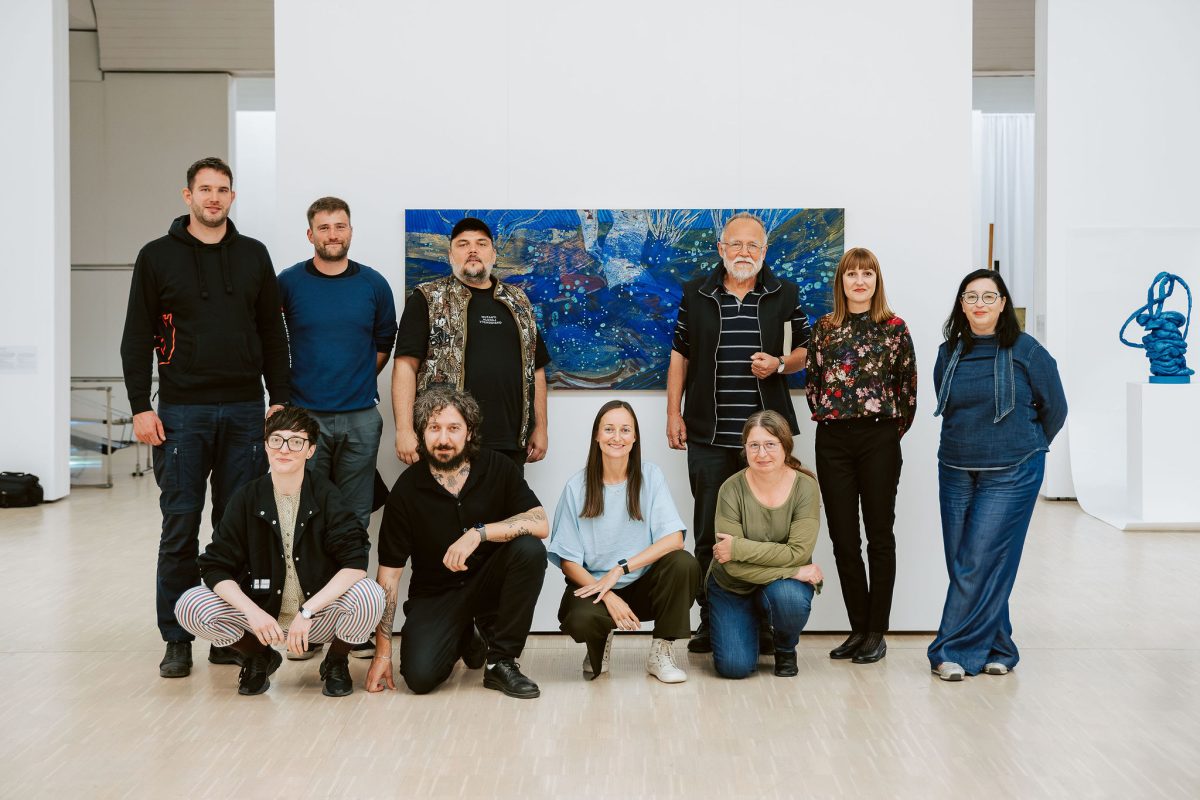
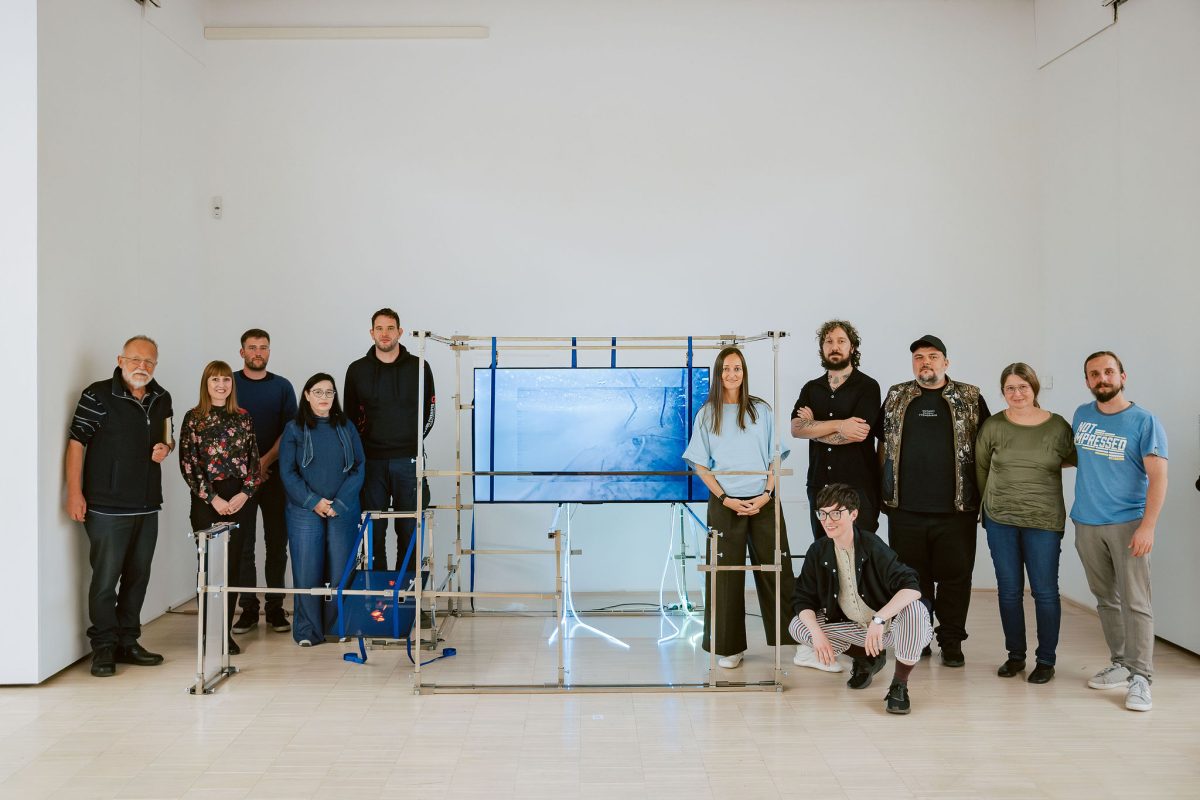
Participants:
Nataša Tajnik Stupar, participating artist in the exhibition Wild Waters: In Search of Balance (Slovenia)
Robertina Šebjanič, participating artist in the exhibition Wild Waters: In Search of Balance (Slovenia)
Matjaž Jež, Nature of Pohorje Association, President (Slovenia)
Gregor Borovnik, Slovenj Gradec Volunteer Firefighting Association, Commander (Slovenia)
Tomaž Garmuš, Slovenj Gradec Volunteer Firefighting Association, Deputy Commander (Slovenia)
Petra Linhartova, Digital Program Director TBA21-Academy, (Austria)
Michal Kučerák, Ars Biologica, curator of independent study program ABIS (Czech republic),
Laura Welzenbach, Head of Ars Electronica Export (Austria)
Leonardo Delmonte, Executive Director Wunderkammer consortium, (Italy)
Moderator: Petra Čeh, Director of KGLU and curator of Wild Waters exhibition (Slovenia)
The roundtable will be held in Slovenian and English, with translation provided.
Organisers: KGLU, On Rizom Institute
Financial support: Municipality of Slovenj Gradec, Ministry of Culture of the Republic of Slovenia
____________________________________________________________
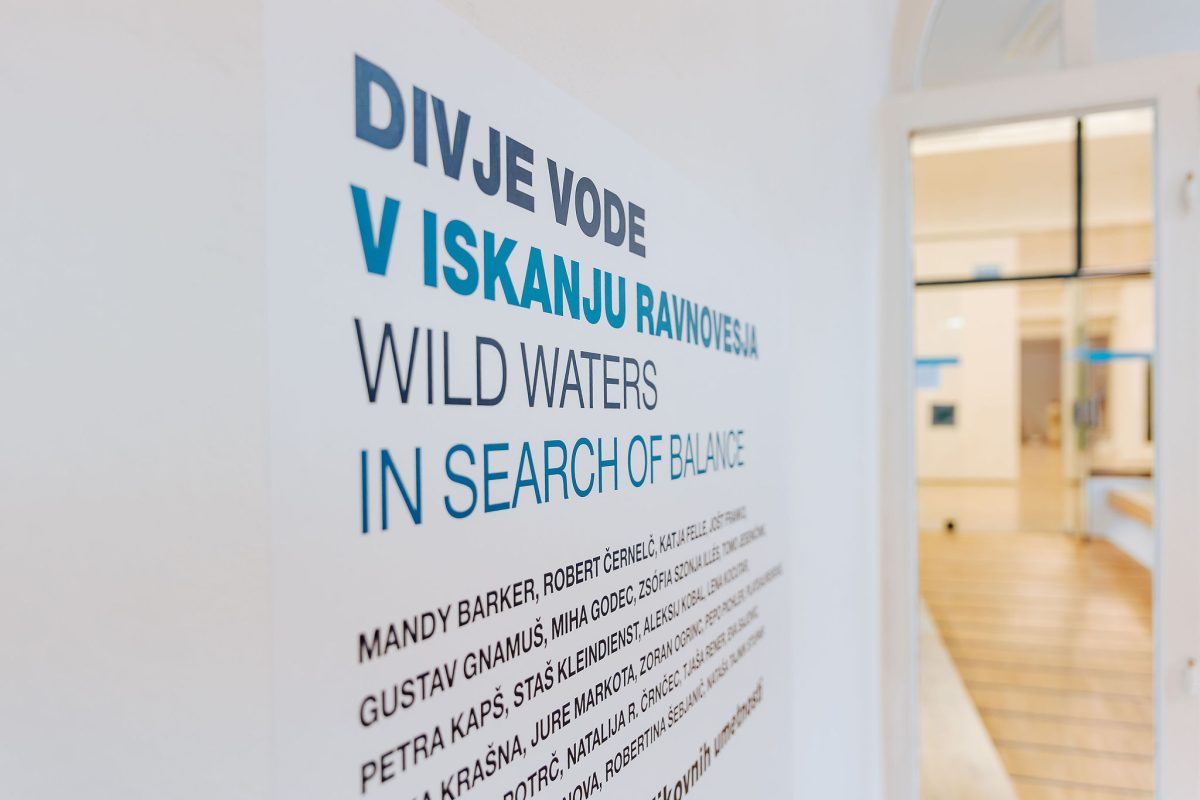
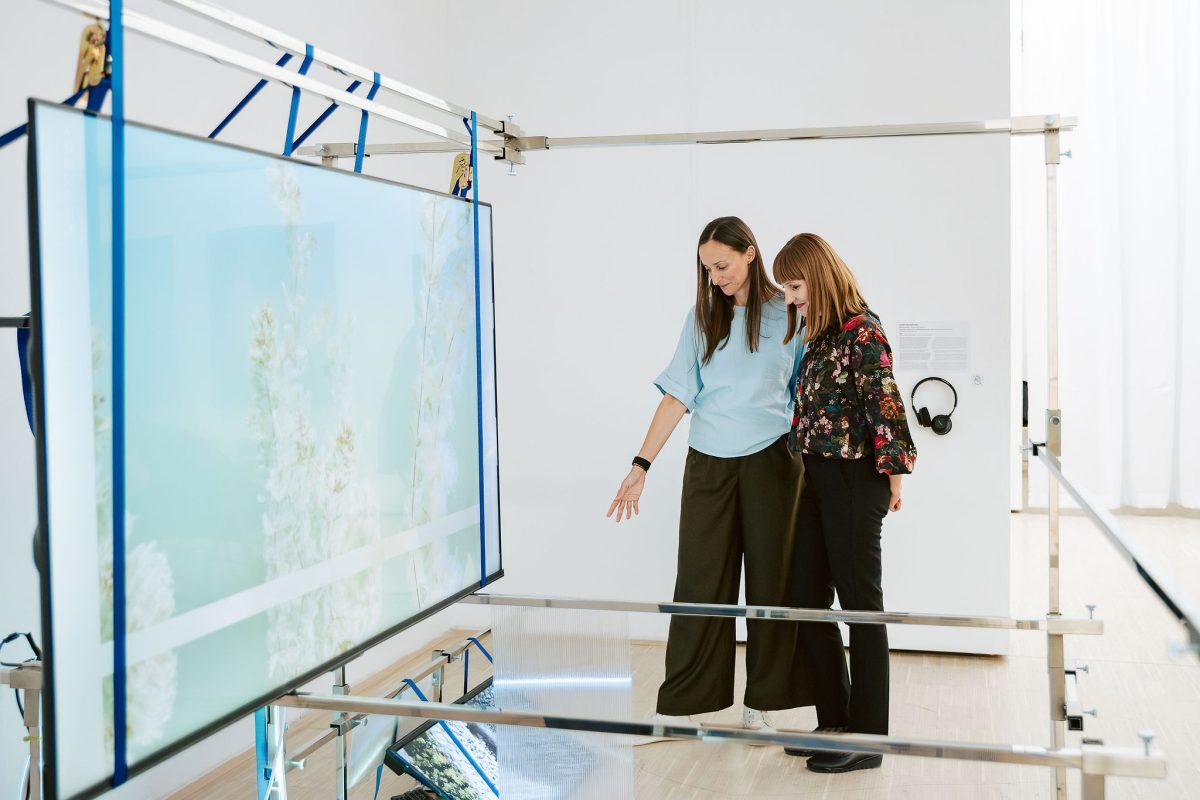
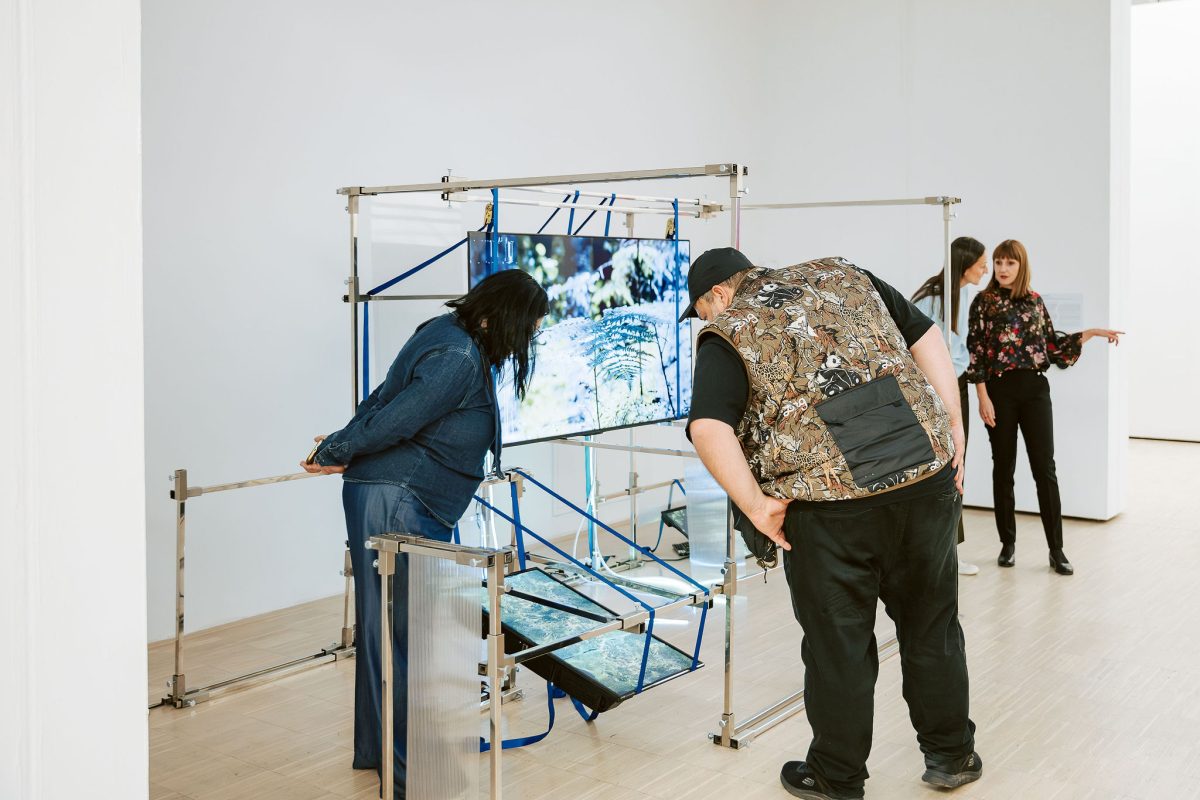
The exhibition Wild Waters – In Search of Balance highlights the complex and often contradictory nature of water, which embodies both an unstoppable force and a source of harmony. As a fundamental natural resource, water is not unlimited; above all, it is a common good that also raises questions of social and economic justice.
The exhibition features 24 artists from Slovenia, Austria, Hungary, the United Kingdom, and Australia: Mandy Barker, Robert Černelč, Katja Felle, Jošt Franko, Gustav Gnamuš, Miha Godec, Zsófia Szonja Illés, Tomo Jeseničnik, Petra Kapš, Staš Kleindienst, Aleksij Kobal, Lena Kocutar, Anka Krašna, Jure Markota, Zoran Ogrinc, Pepo Pichler, Plateauresidue, Marjetica Potrč, Natalija R. Črnčec, Tjaša Rener, Eva Sajovic, Michaela Skovranova, Robertina Šebjanič, Nataša Tajnik Stupar.
On view at KGLU in Slovenj Gradec until 3 December. >>
____________________________________________________________
THOUGHTS FROM THE EXHIBITION …
“Unlike social systems, which humans are so inclined to analyse and categorise, almost nothing in nature exists in isolation. Everything is interconnected within an uninterrupted web of relationships, where every change reverberates throughout the whole – just like water, which through its circulation connects all forms of life.”
“2023 remains a year remembered in Koroška and across Slovenia for the devastating floods, the consequences of which are still visible in some places. At the same time, extreme weather events continue to occur year after year in many parts of the world, and it seems that concern for the local environment is becoming increasingly global in significance – a shared responsibility that is also a responsibility towards future generations.”
— Petra Čeh, curator of the exhibition Wild Waters: In Search of Balance
“Within the project Shadows Above My Window_Mislinja 238 km² – Hydro/Terra/Atmo_Sphere(s), I am interested in the river as a living system that is not separate from the forest, the atmosphere, animals, people, and their memories. Listening therefore also became a way of getting to know the place. Alongside hydroacoustic recordings, ecological data, and other research methods, it was local knowledge, stories, and collective fieldwork that enabled me to begin understanding the Mislinja as a place carrying many layers of memory and change.
I am deeply grateful to the entire team for all these shared journeys, conversations, acts of listening, and discoveries. Without these encounters, my understanding of the Mislinja would have been much more incomplete.”
— Robertina Šebjanič, participating artist