exhibition
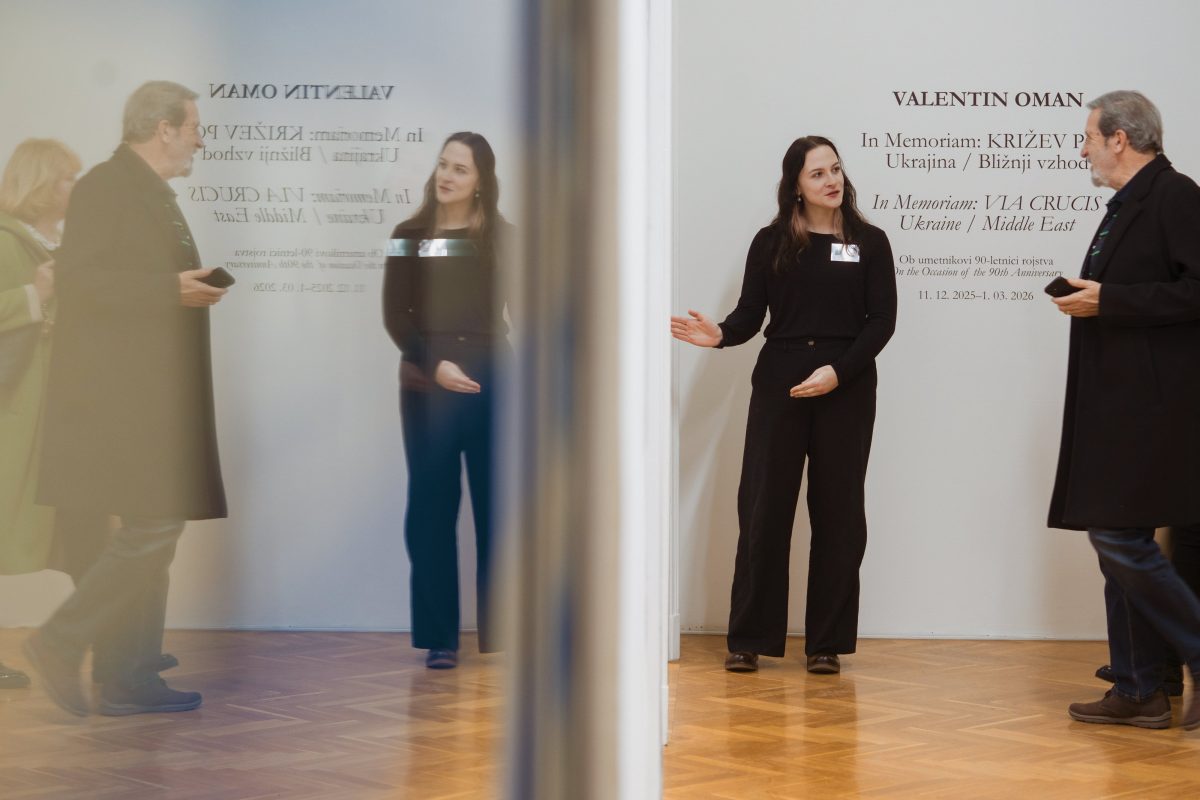
Valentin Oman, In Memoriam: Križev pot Ukrajina/Bližnji vzhod
11. 12. 2025 - 01. 03. 2026
Galerija Slovenj Gradec
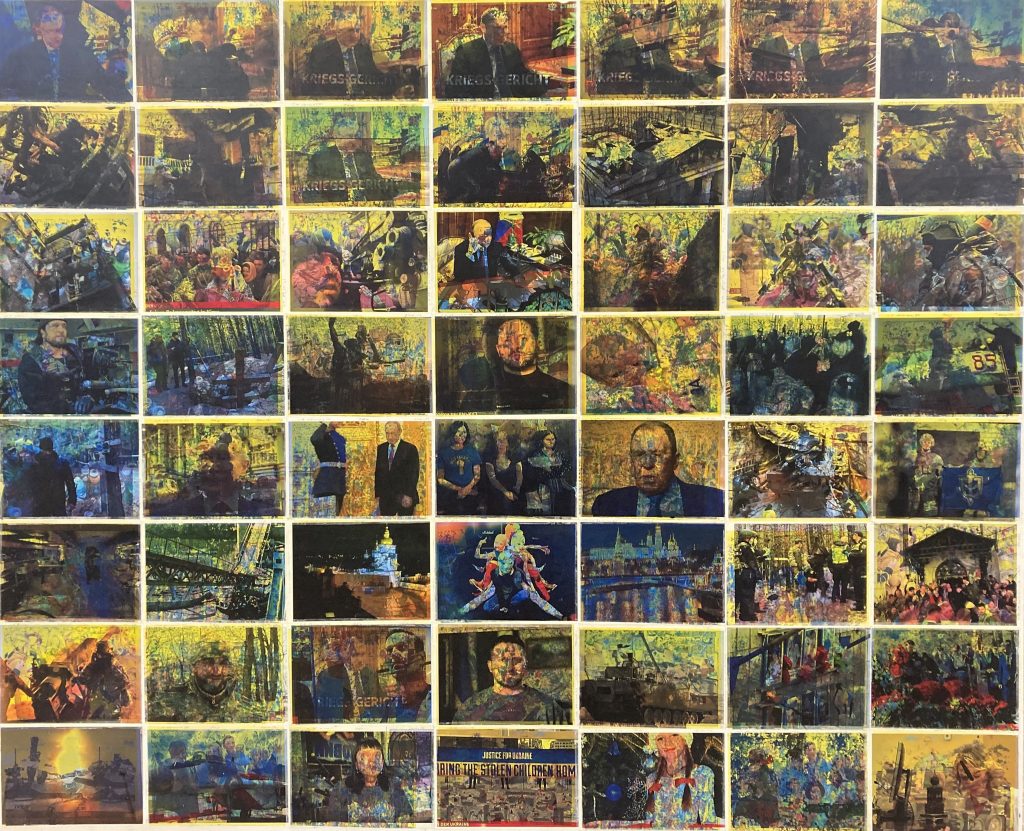
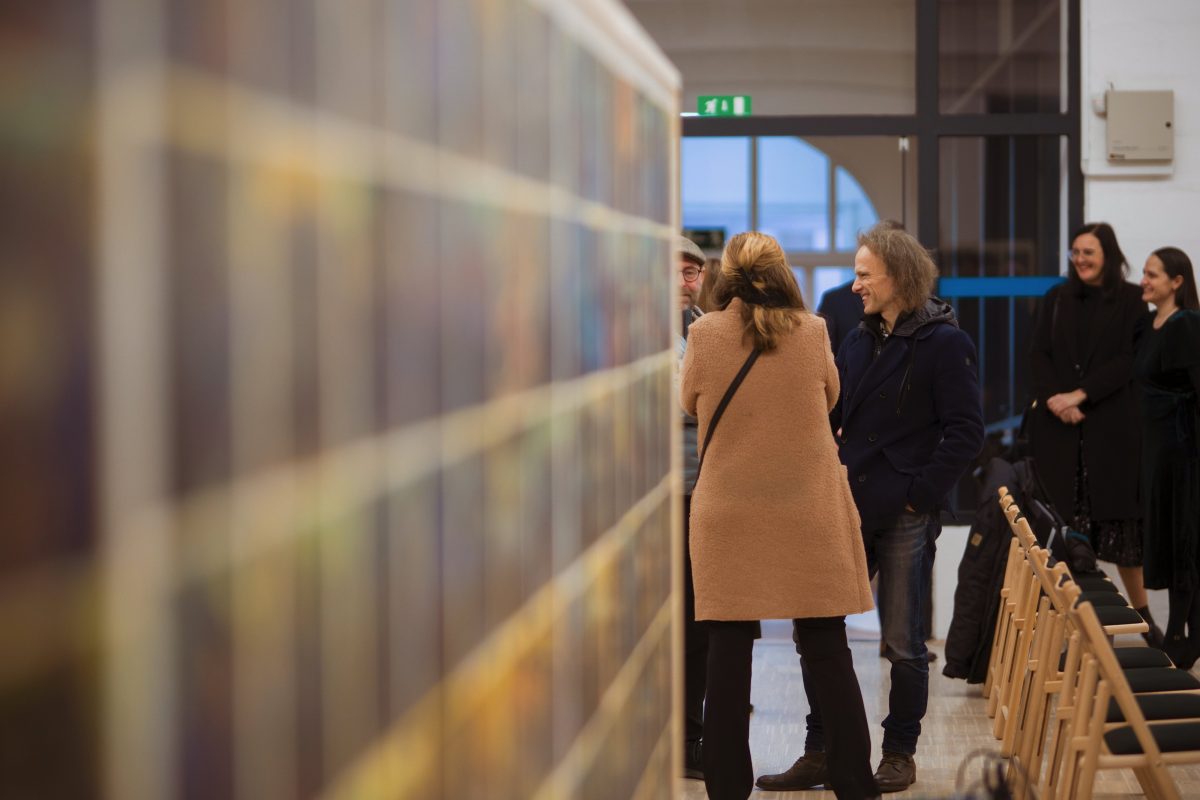
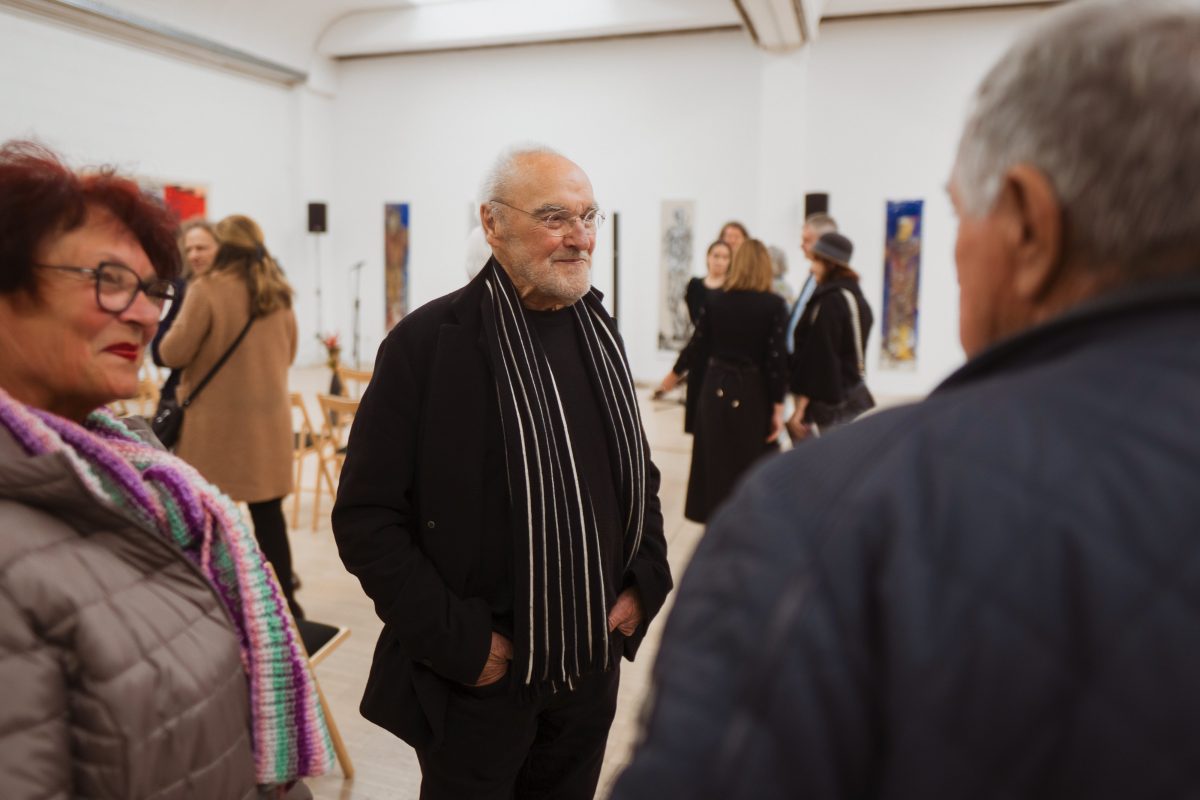
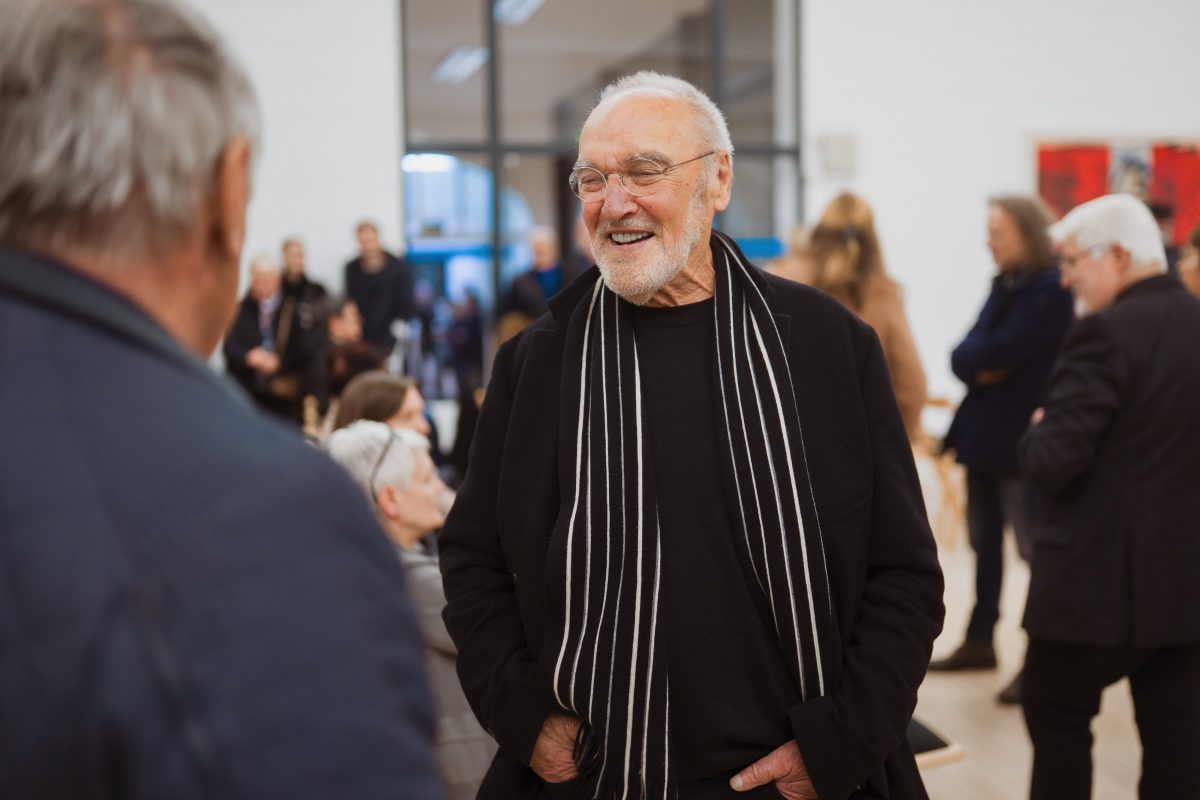
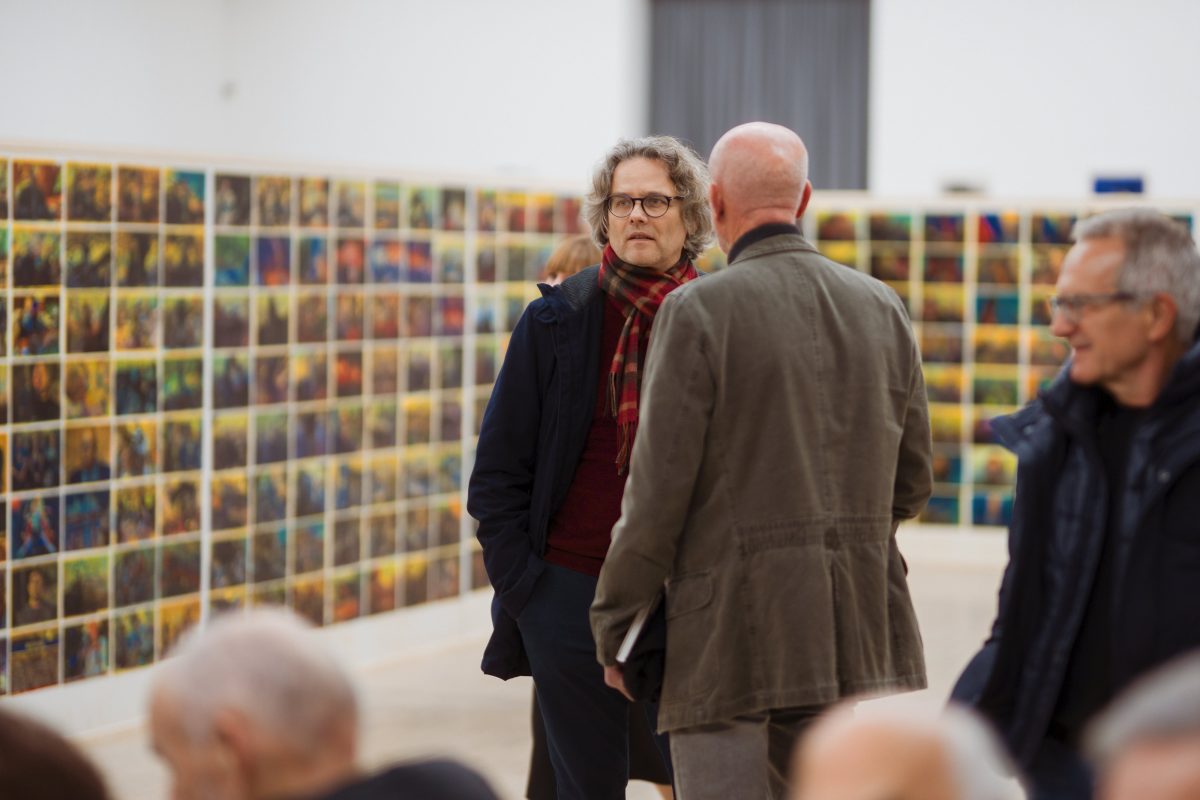
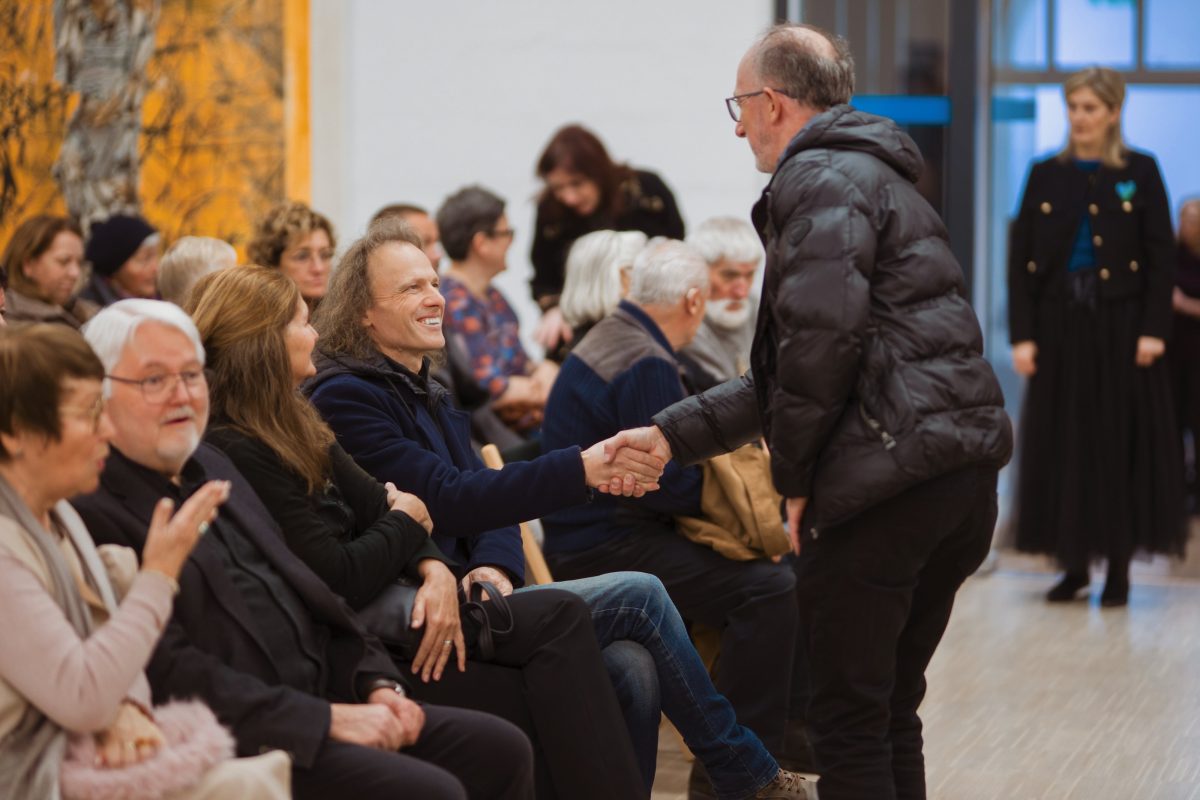
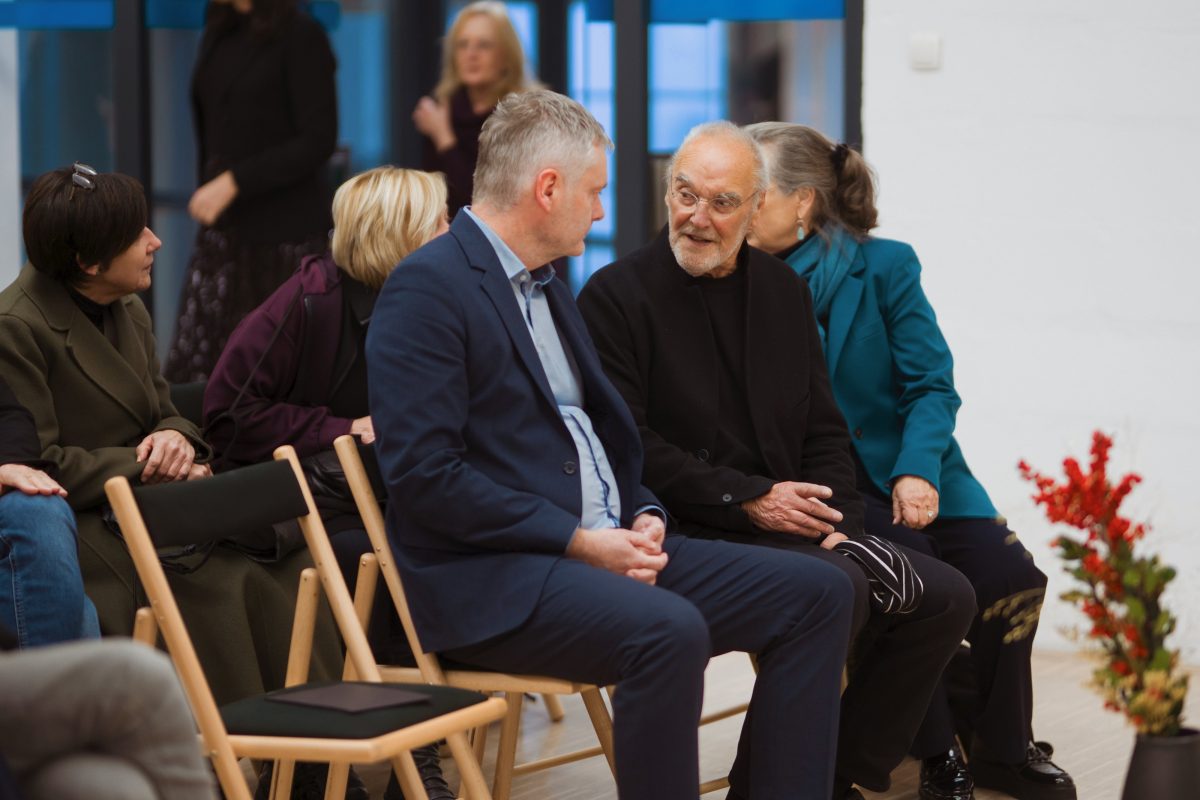
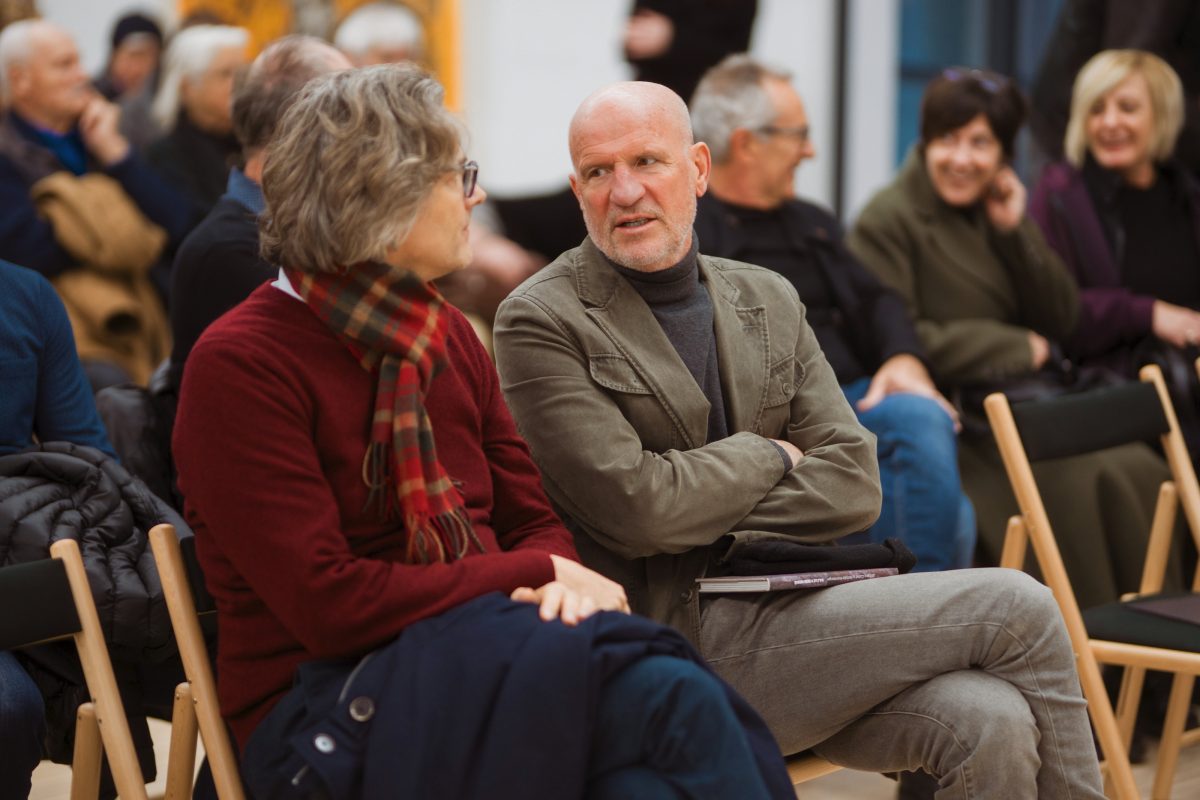
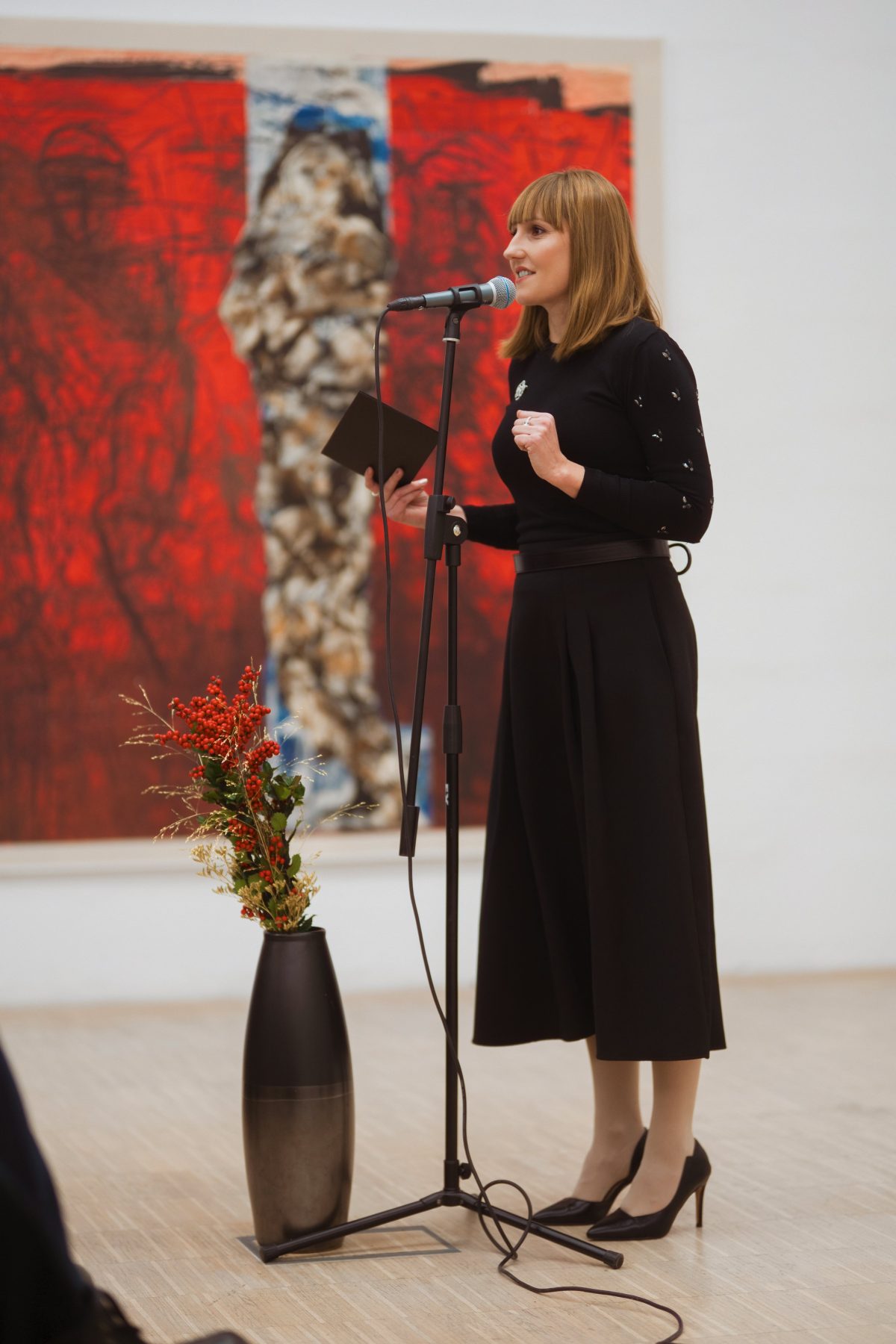
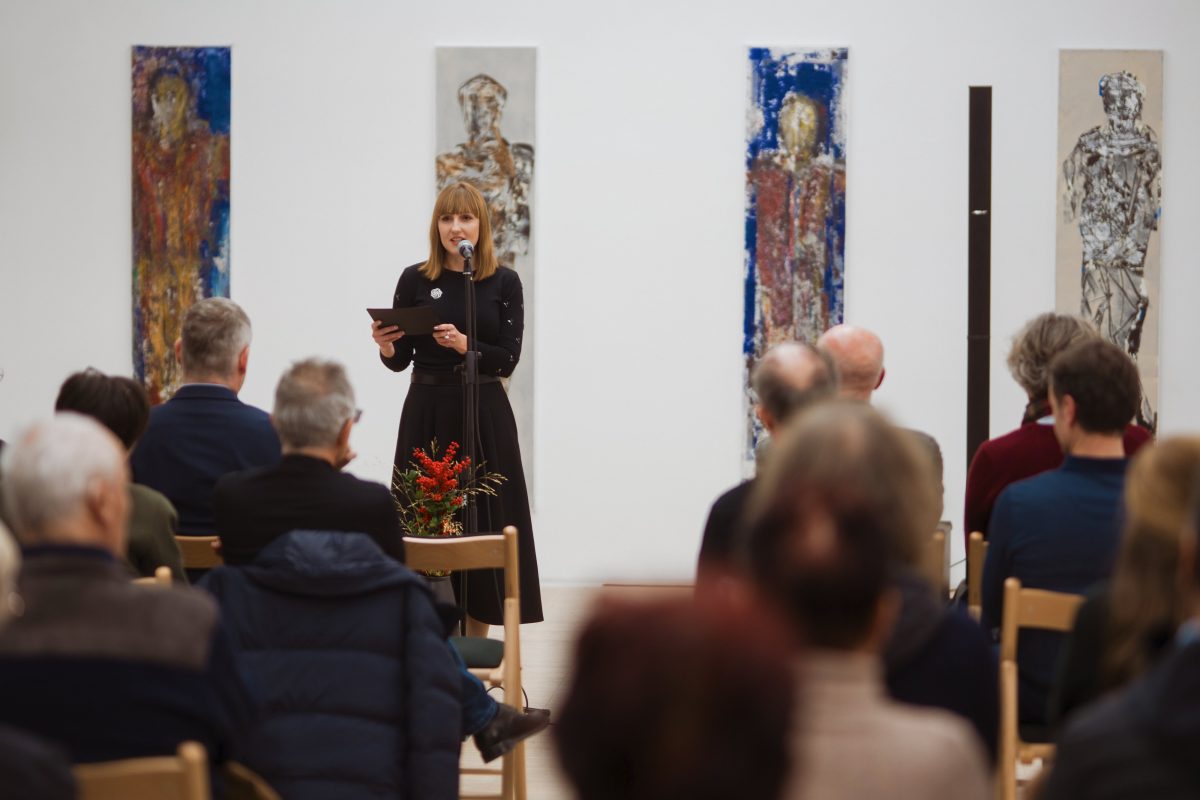
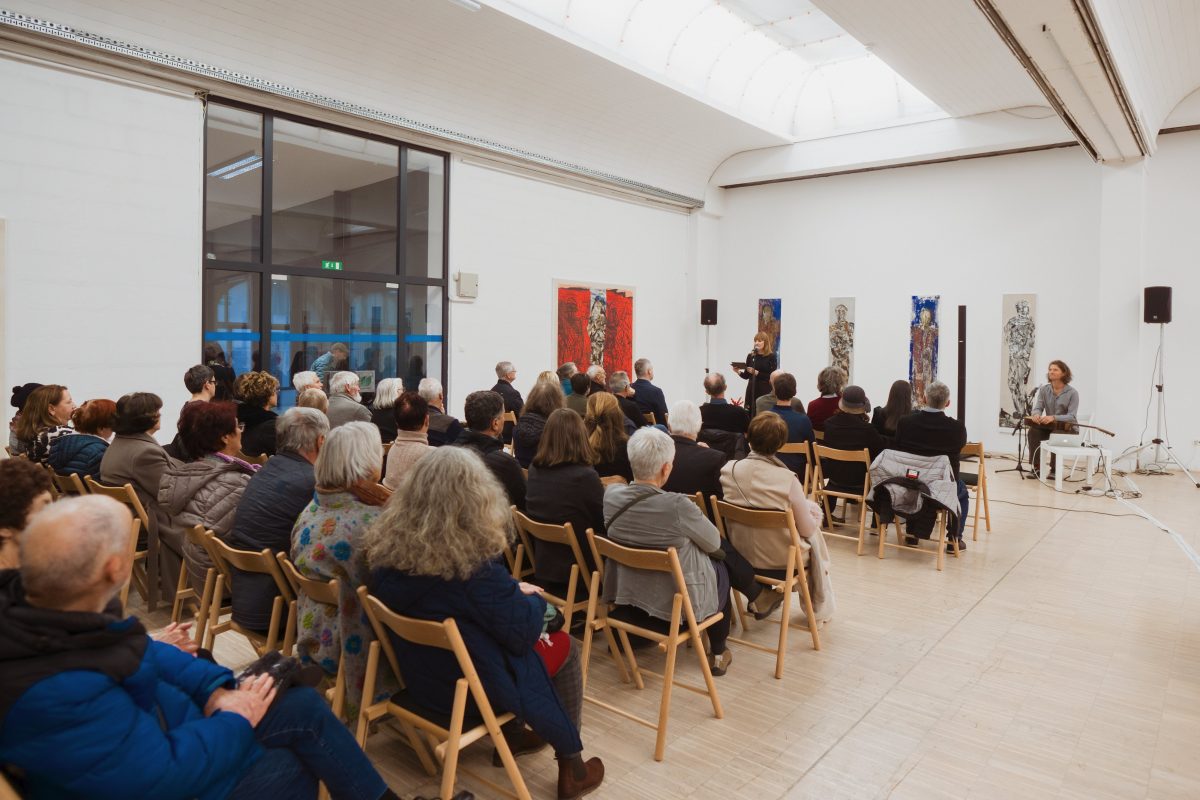
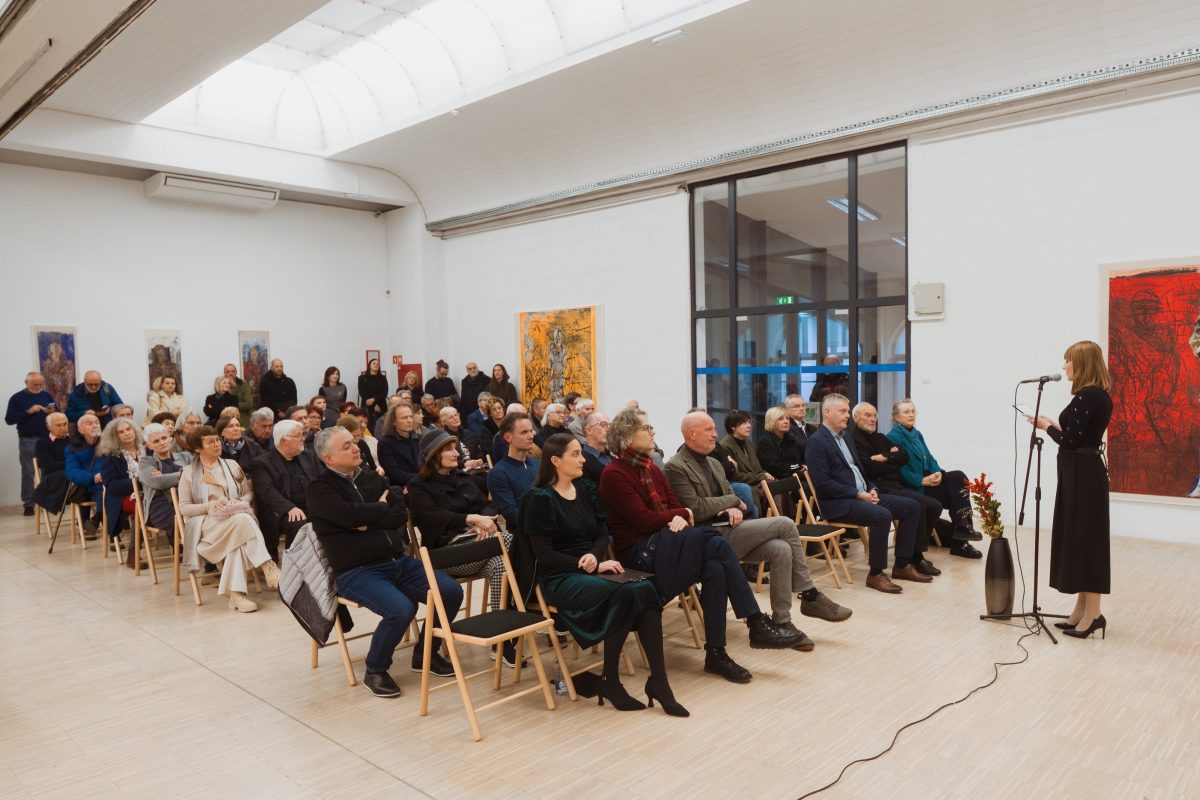
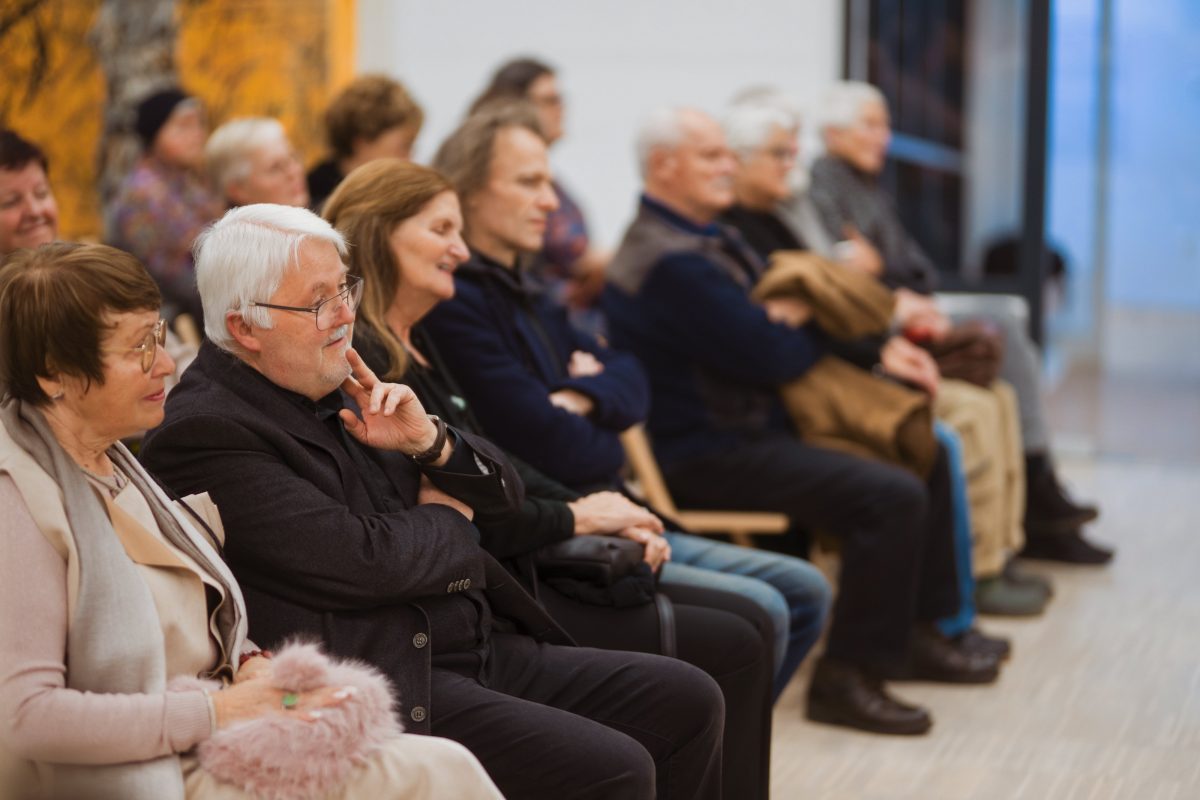
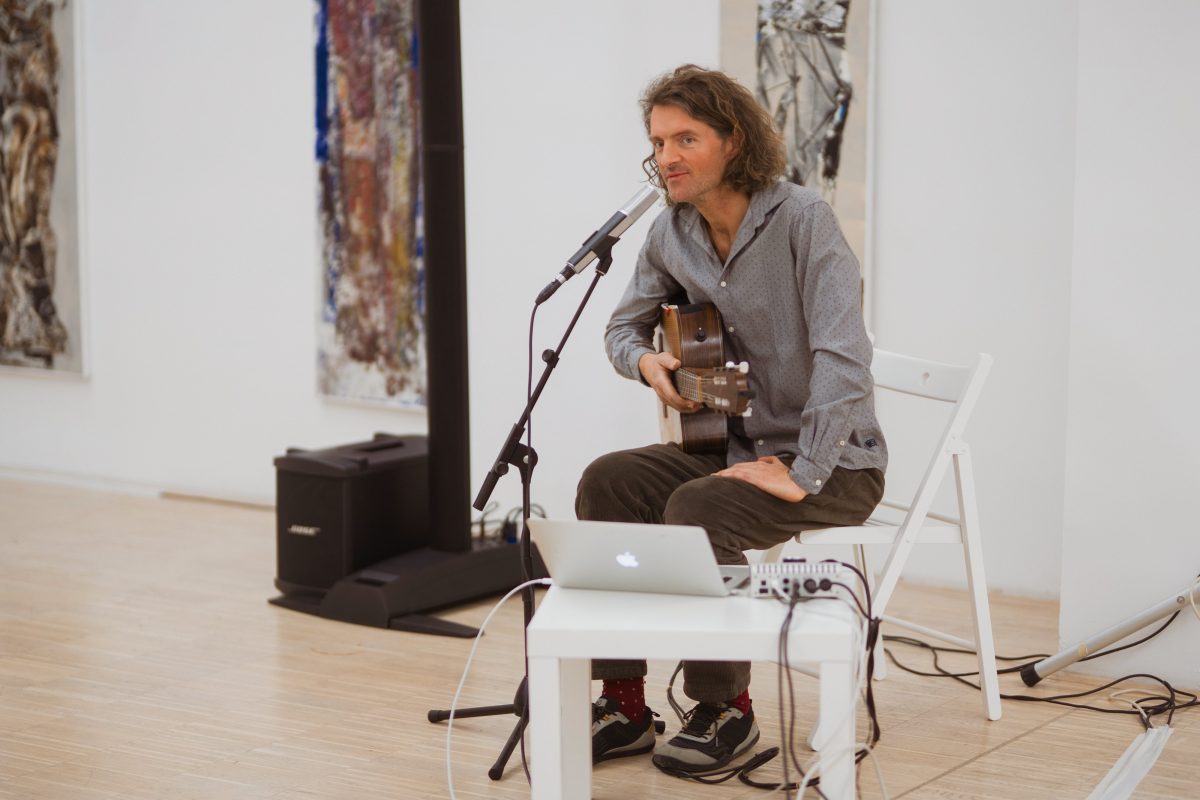
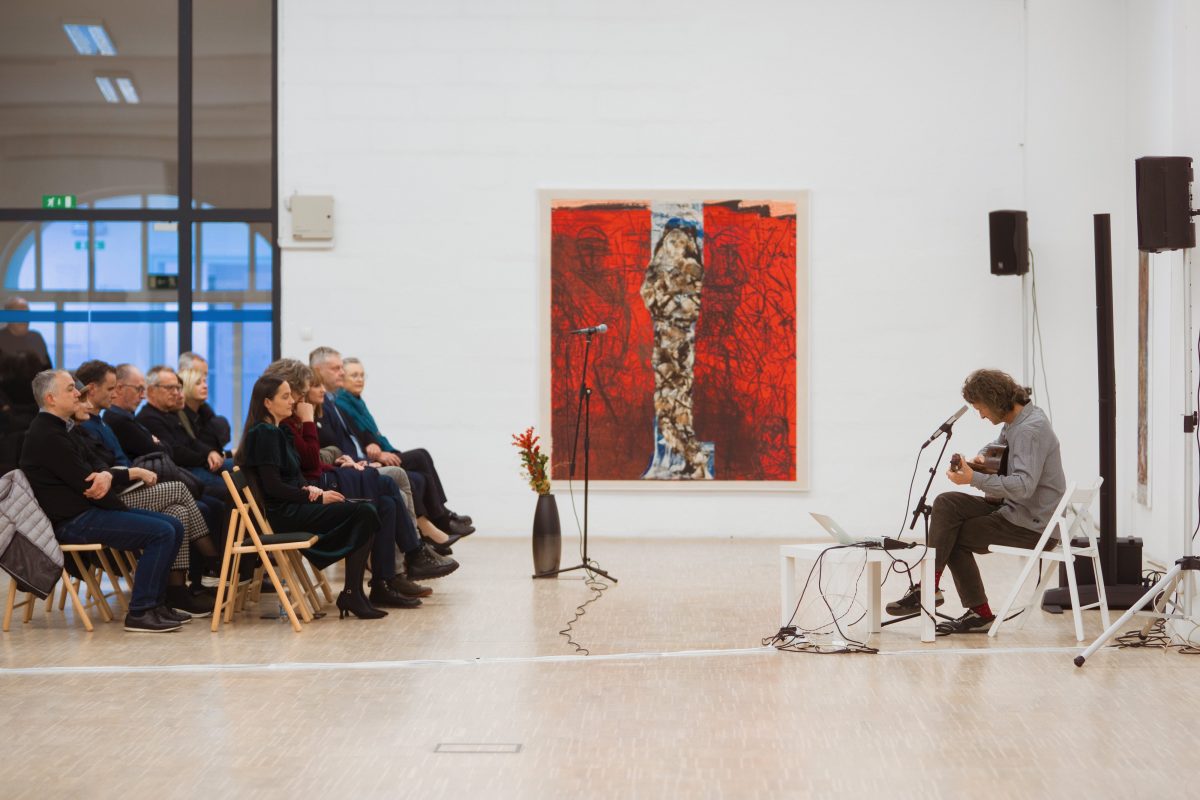
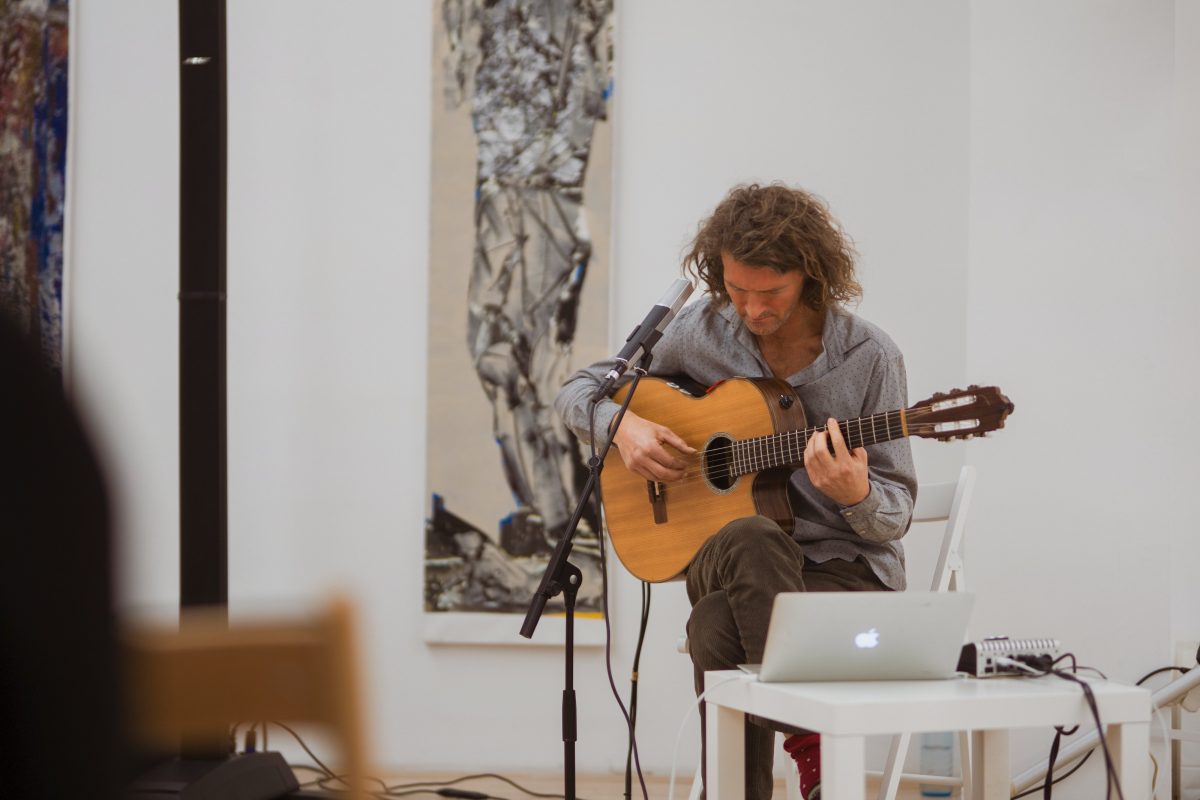
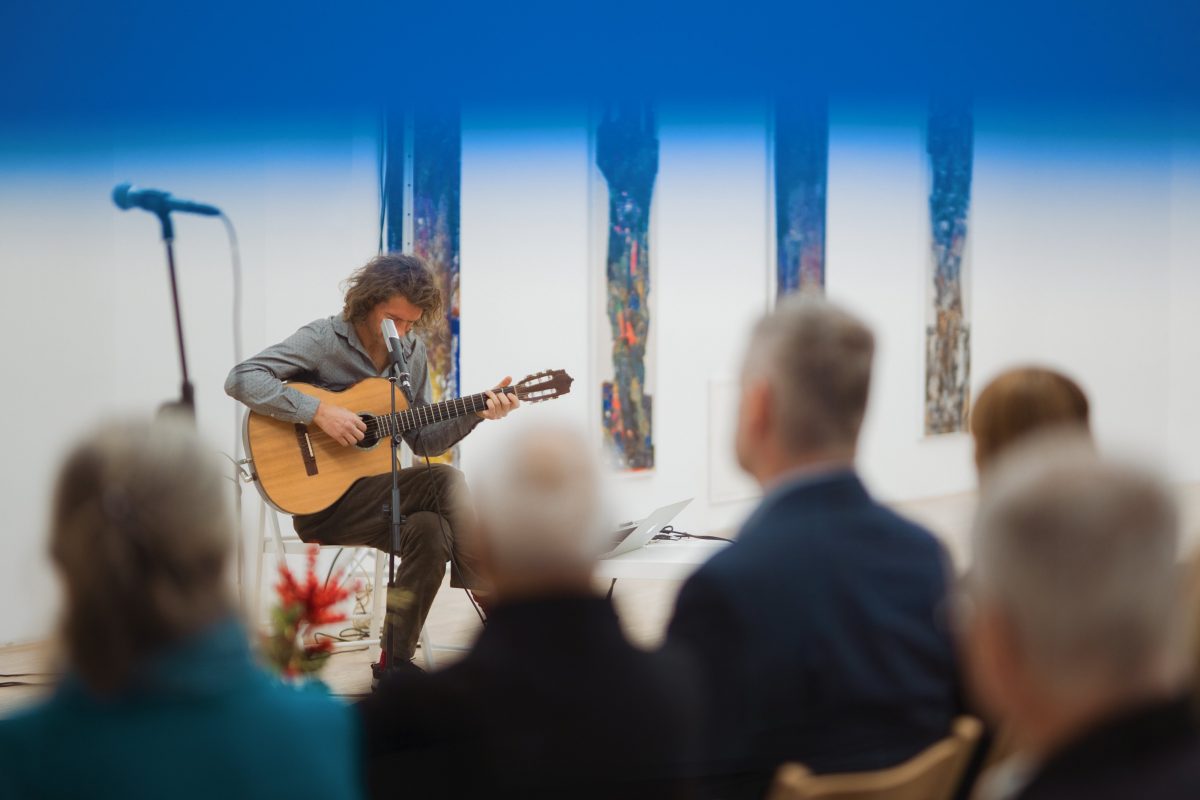
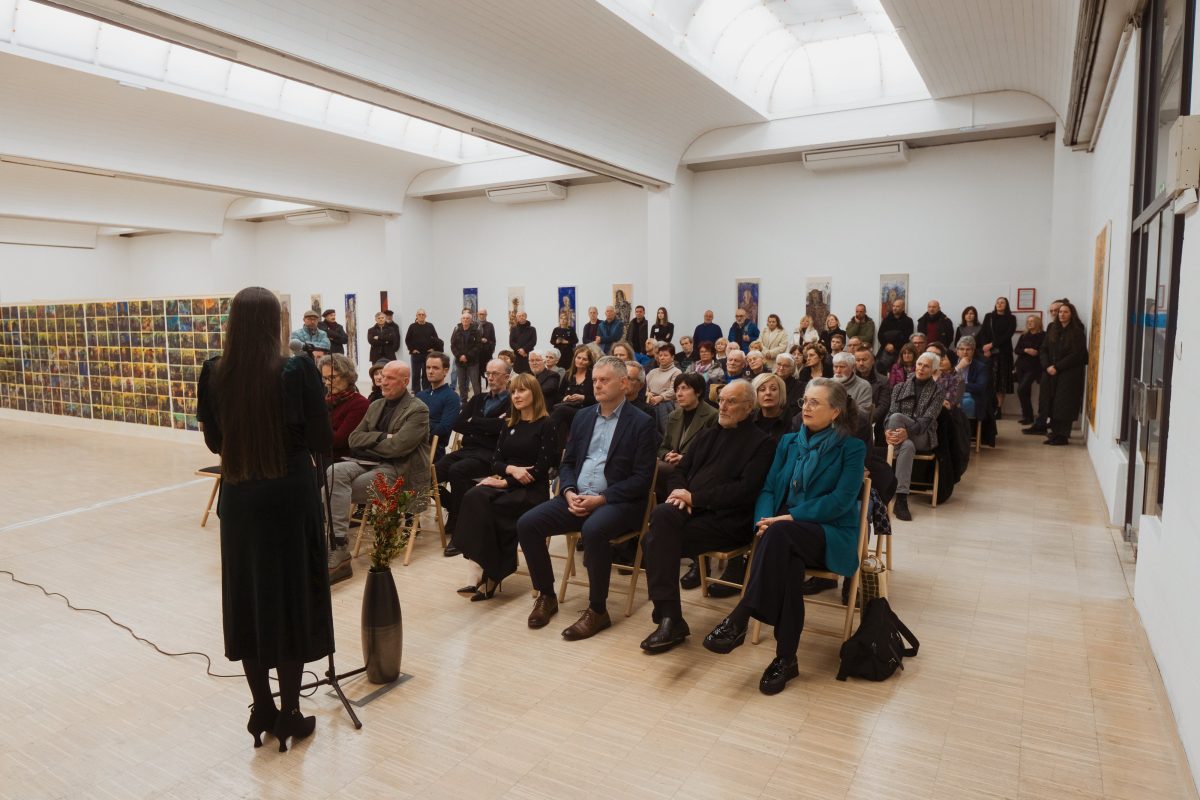
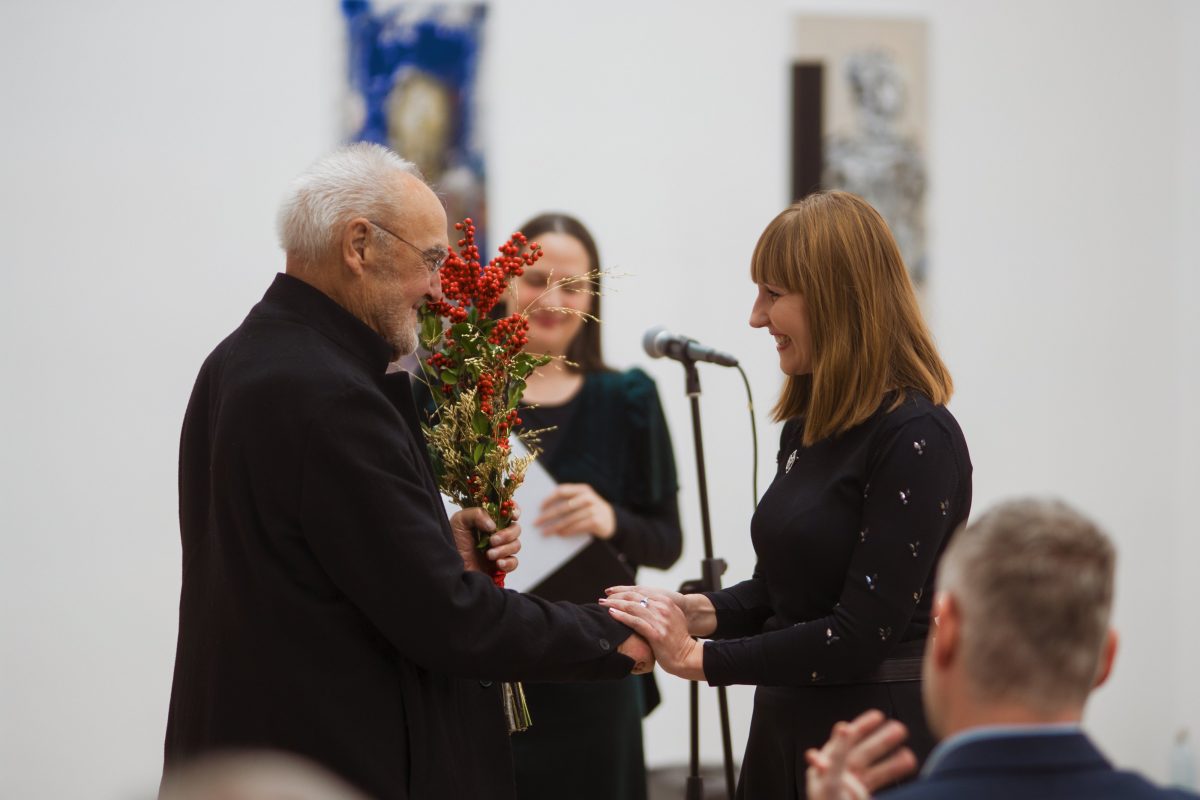
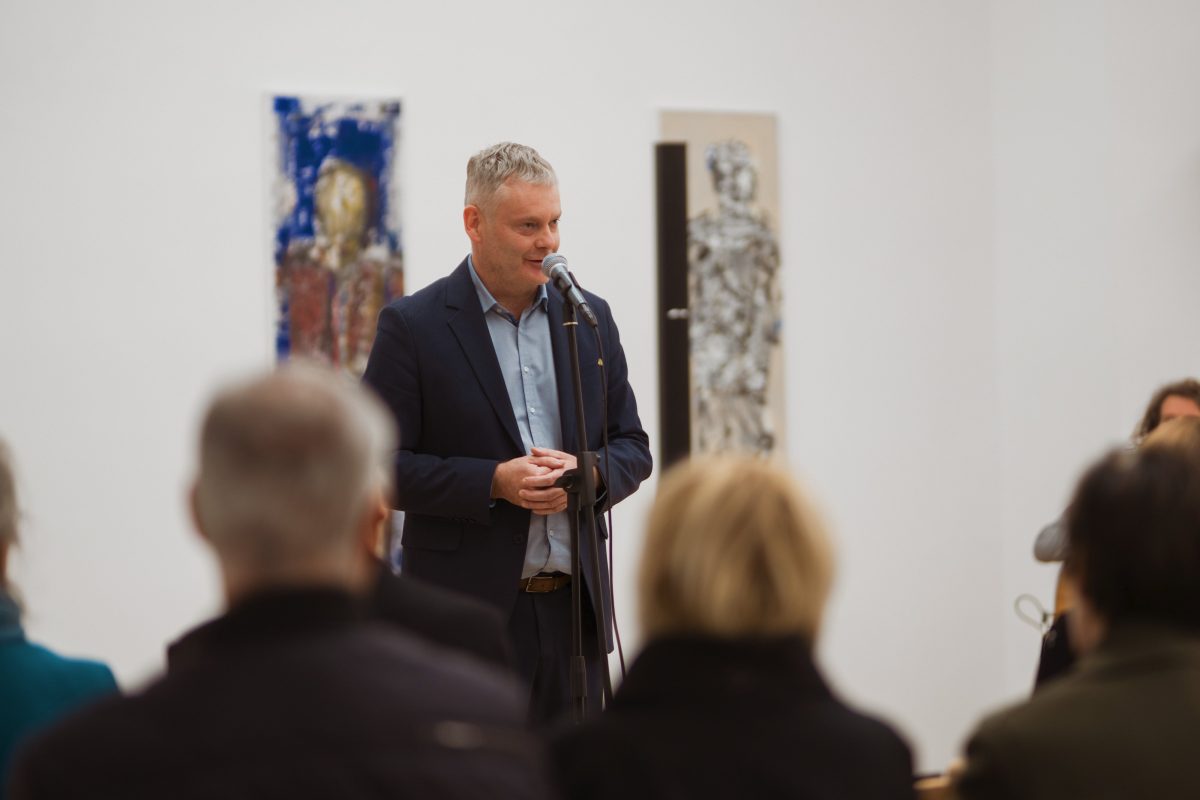
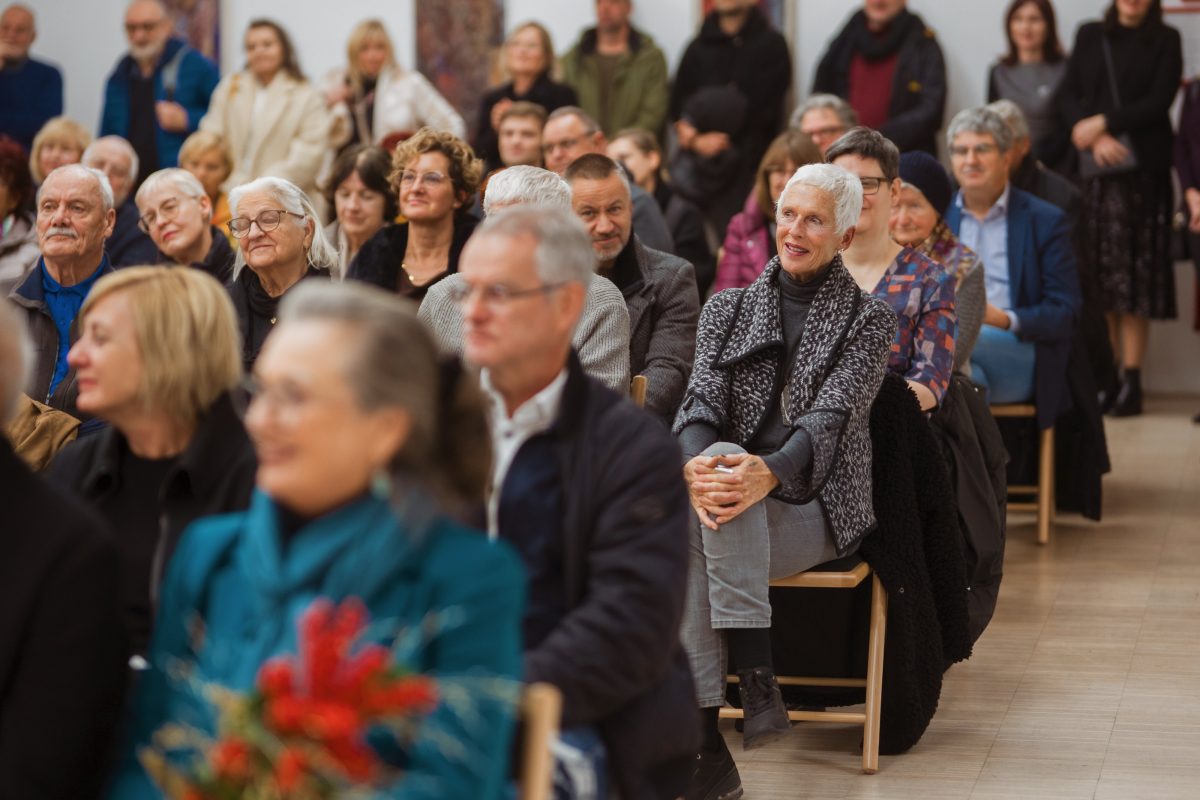
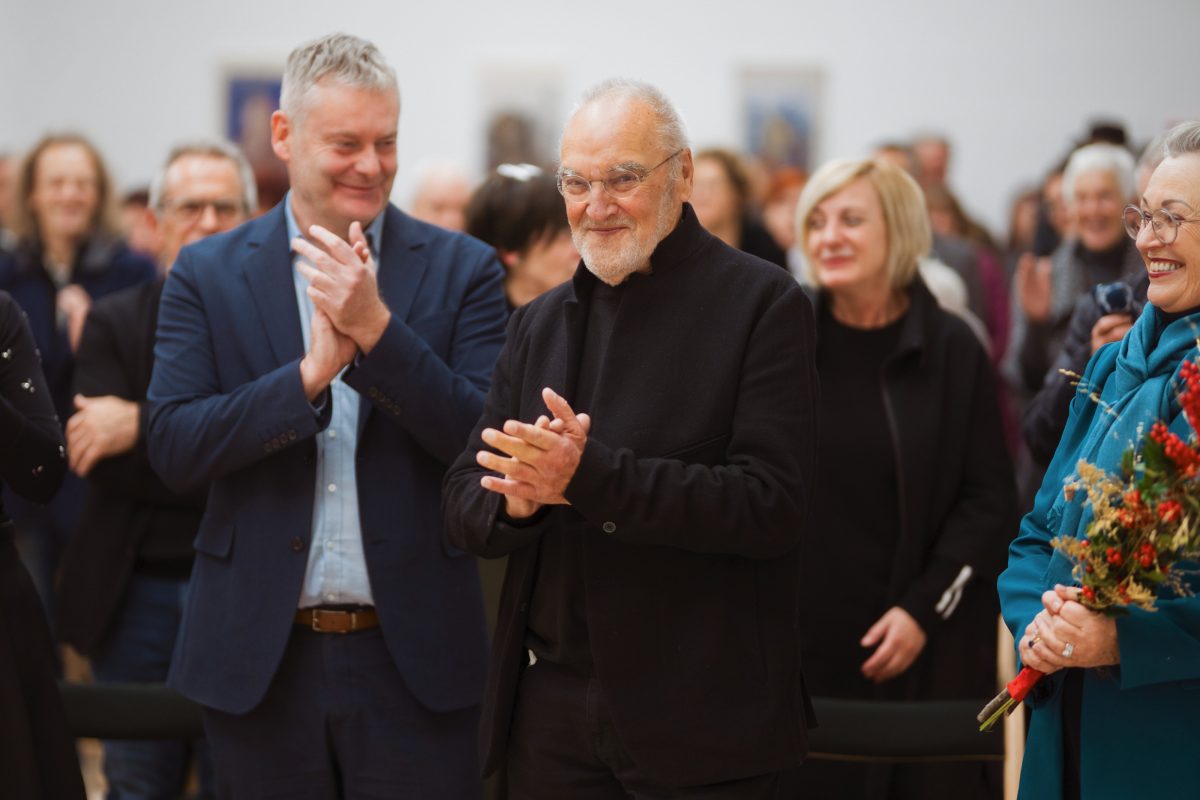
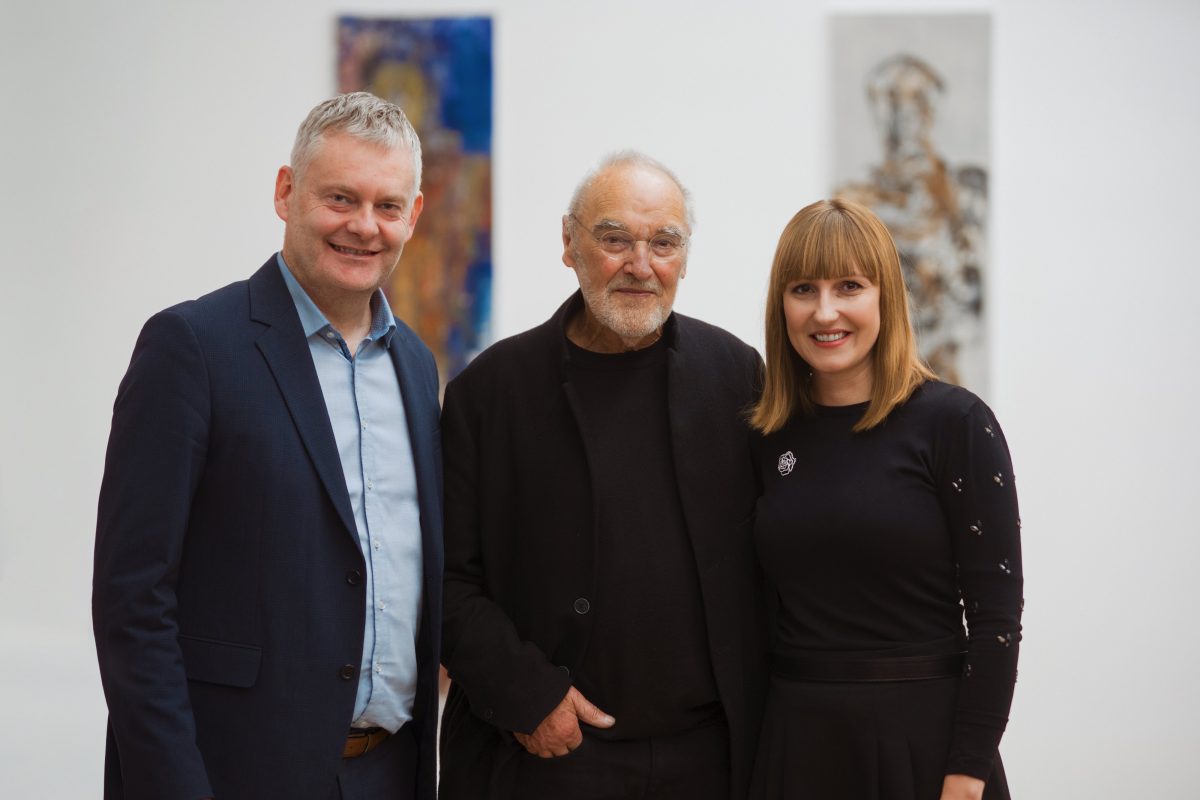
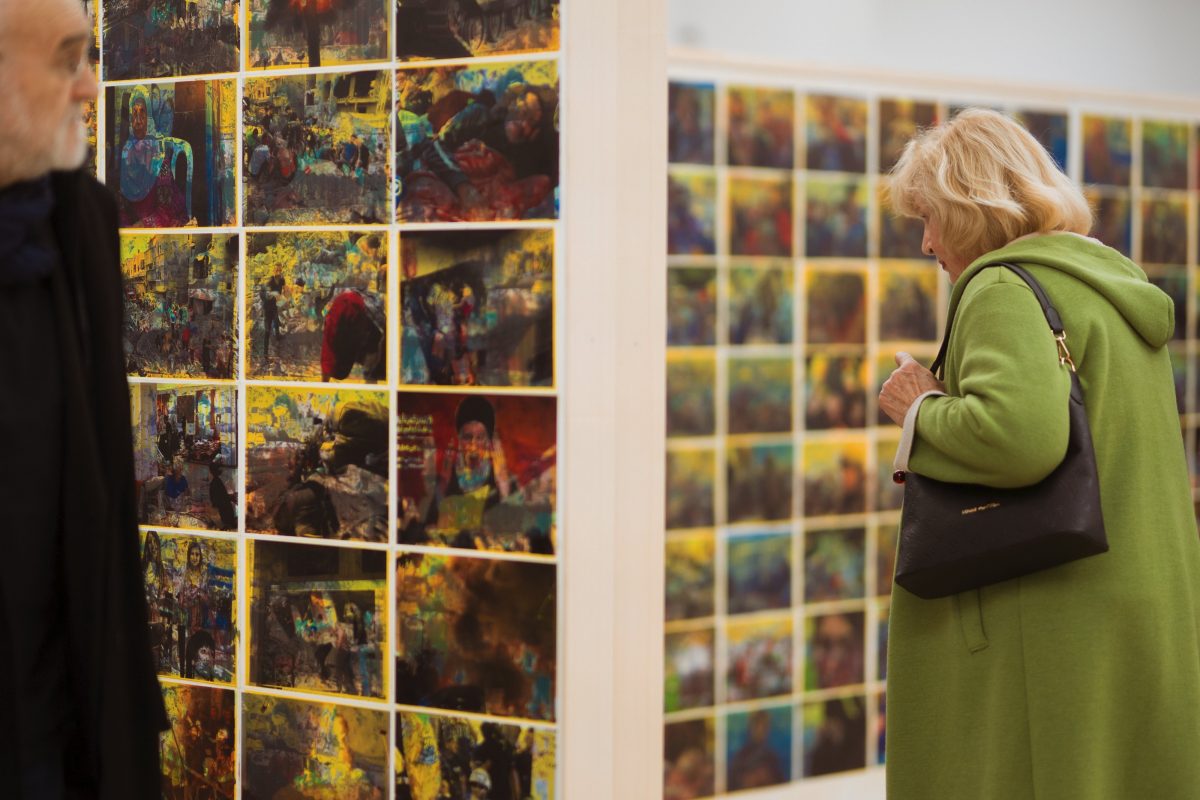
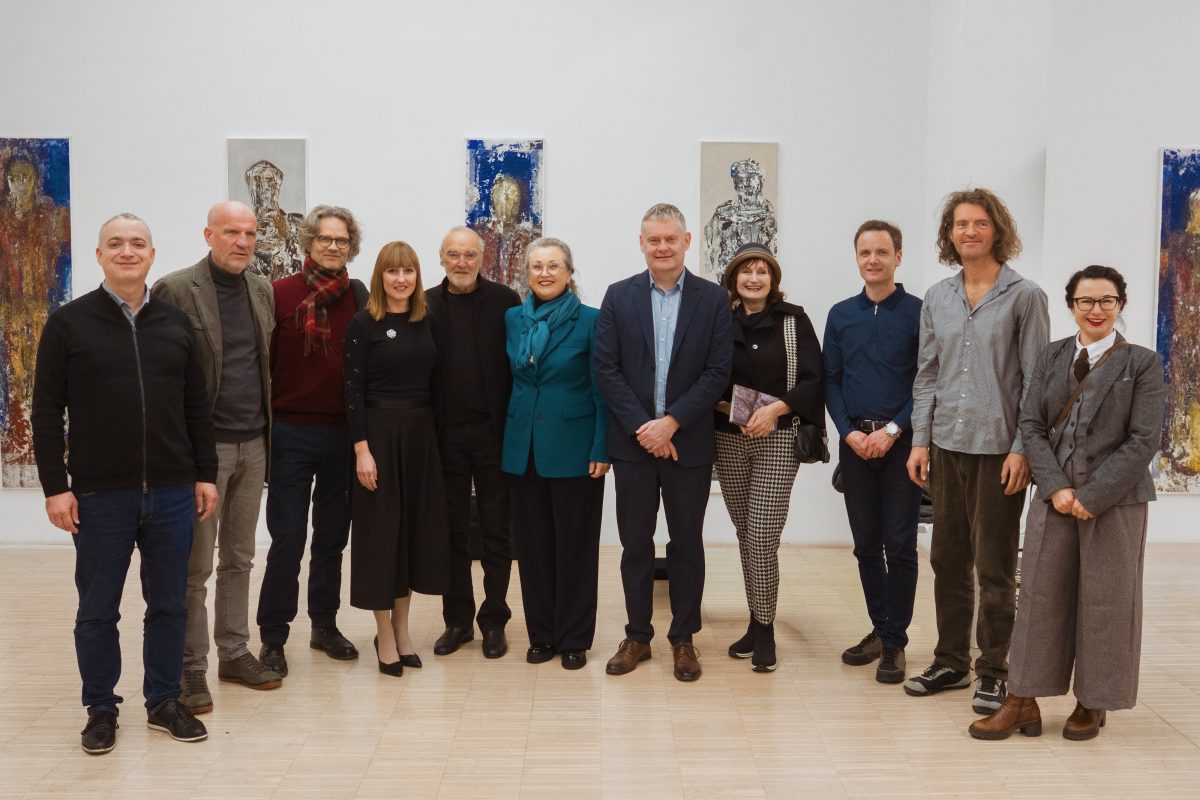
We kindly invite you to the opening of the exhibition Valentin Oman, In Memoriam: Via Crucis Ukraine/Middle East, which will take place on Thursday, 11 December, at 6 p.m. at Museum of Modern and Contemporary Art Koroška (KGLU) in Slovenj Gradec. The exhibition will be opened by Tilen Klugler, Mayor of the Municipality of Slovenj Gradec. The curator of the exhibition is Marko Košan.
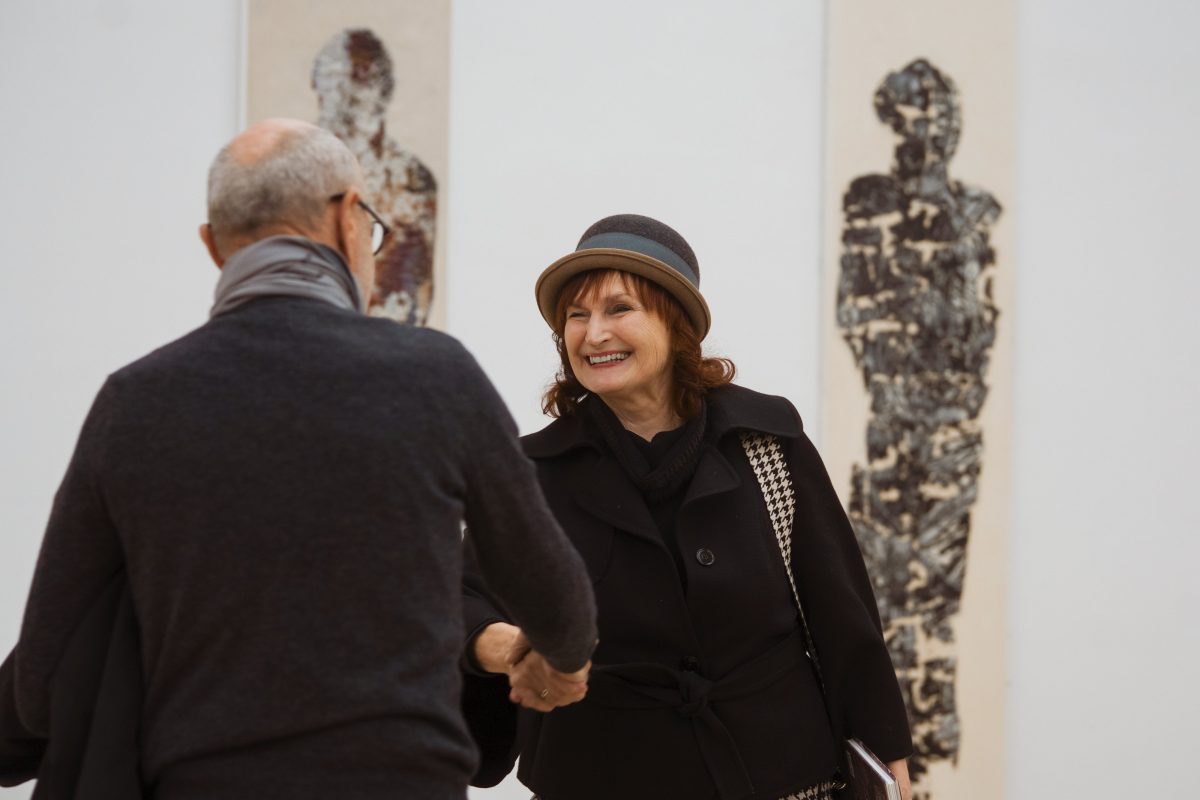
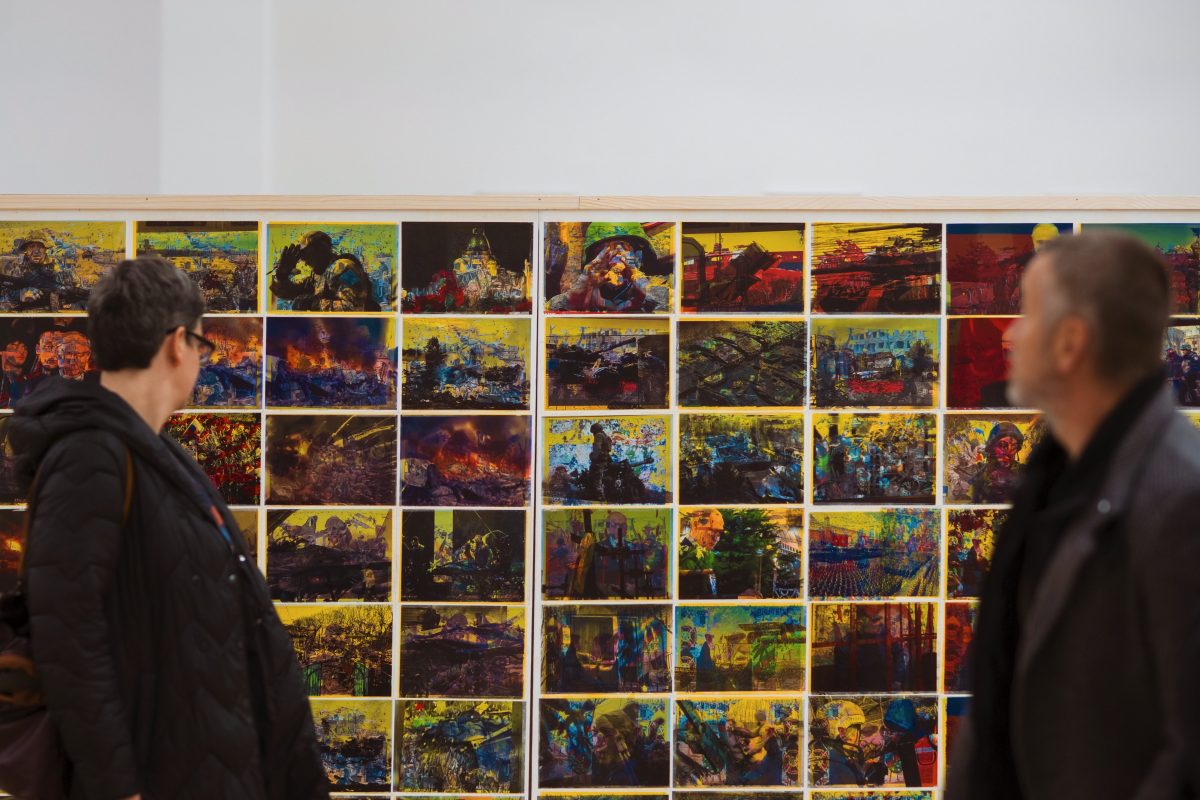
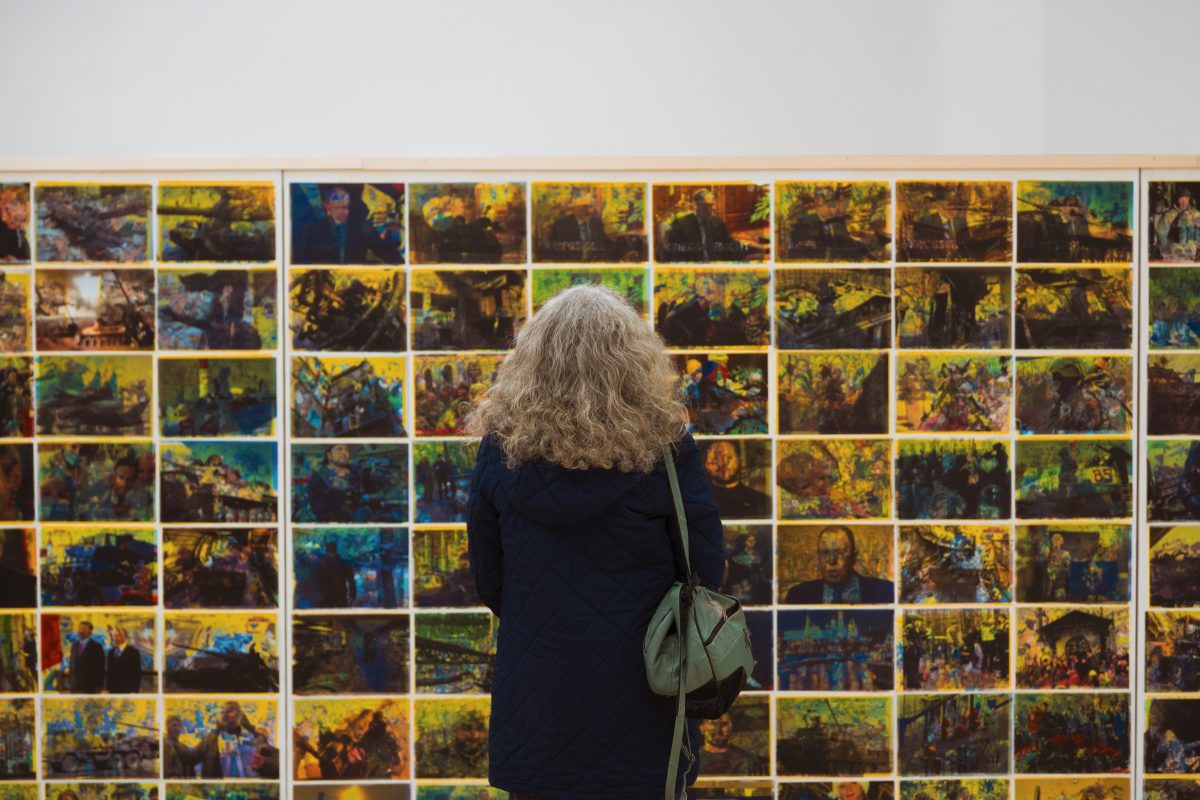
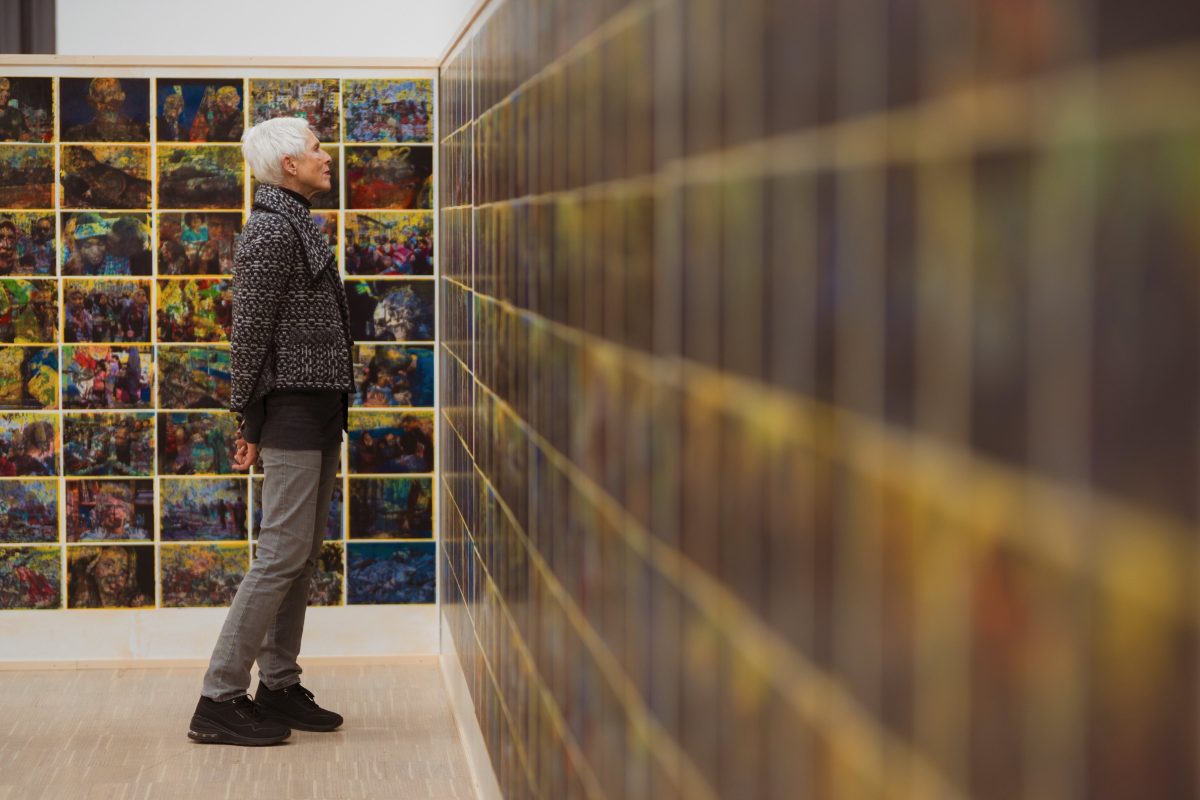
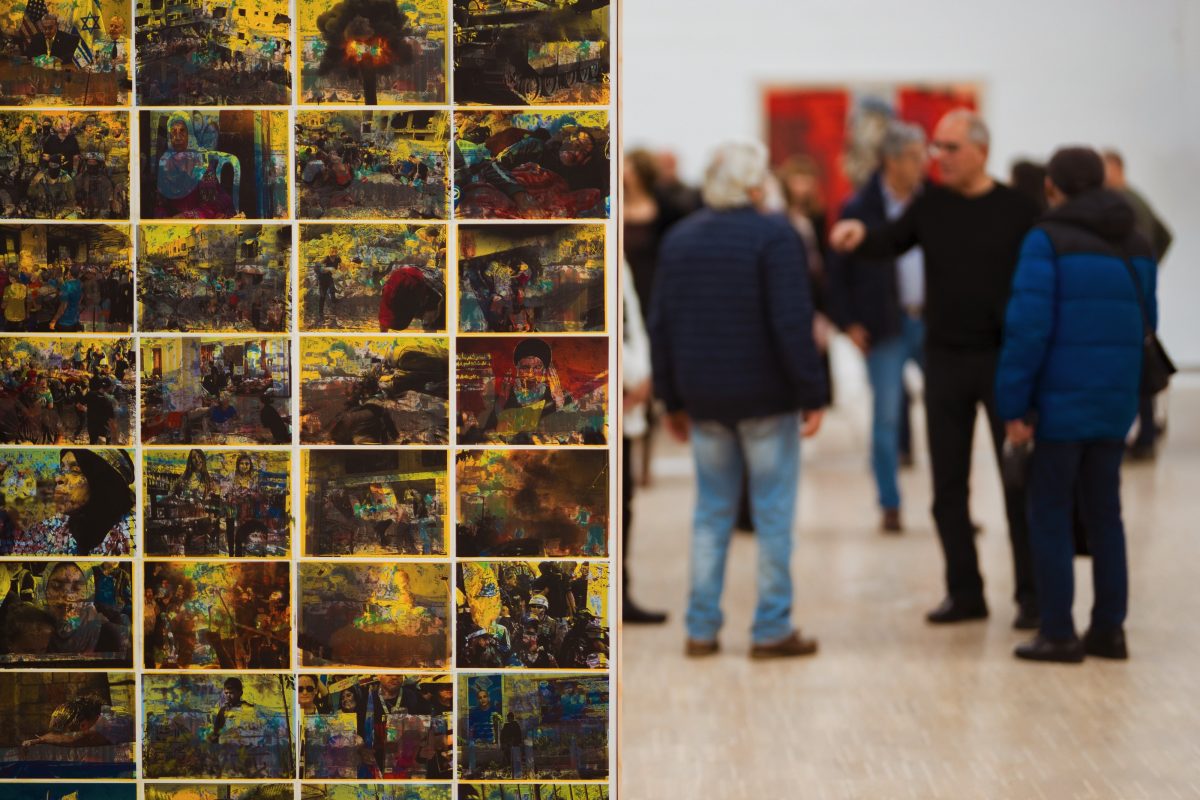
The exhibition marks the 90th anniversary of the Slovenian academic painter and printmaker Valentin Oman, one of the most important Carinthian, Austrian, and Central European artists of our time. It will present his most recent works, which—alongside his characteristic Ecce Homo series—reflect the horrors of war (Ukraine, the Middle East). Valentin Oman is also a significant representative of the Slovene minority in Austrian Carinthia, for whose preservation he has advocated for decades.
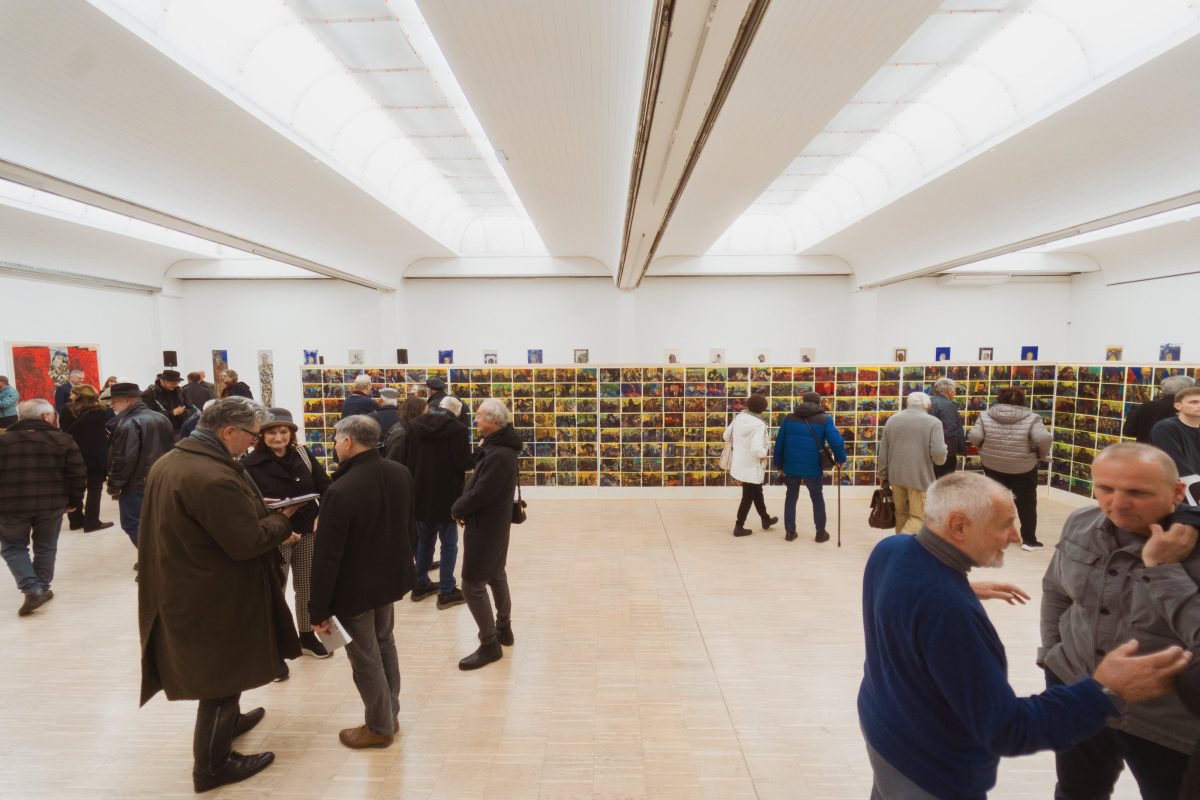
By 14 December, his notable personal jubilee, a series of exhibitions dedicated to his work has taken place in Slovenia, Austria, and Bratislava, Slovakia. The so-called Oman Year was launched on 30 January with an exhibition at Čop’s House in Žirovnica, featuring works from the Gallery of Prešeren Award Laureates in Kranj. It will conclude with the opening of the exhibition on 11 December at the Museum of Modern and Contemporary Art Koroška (KGLU). The monumental installation will also be dedicated to the engaged mission of KGLU in Slovenj Gradec, the city known as UN Peace Messenger City.
The extensive oeuvre of this remarkably vital and creative artist bears the noble message of tradition, inscribed in the recognisable face of the Carinthian landscape. His internationally significant artistic contribution is especially marked by the so-called Lenten cloths, which were once hung before the main altar in churches during the period leading up to Easter.
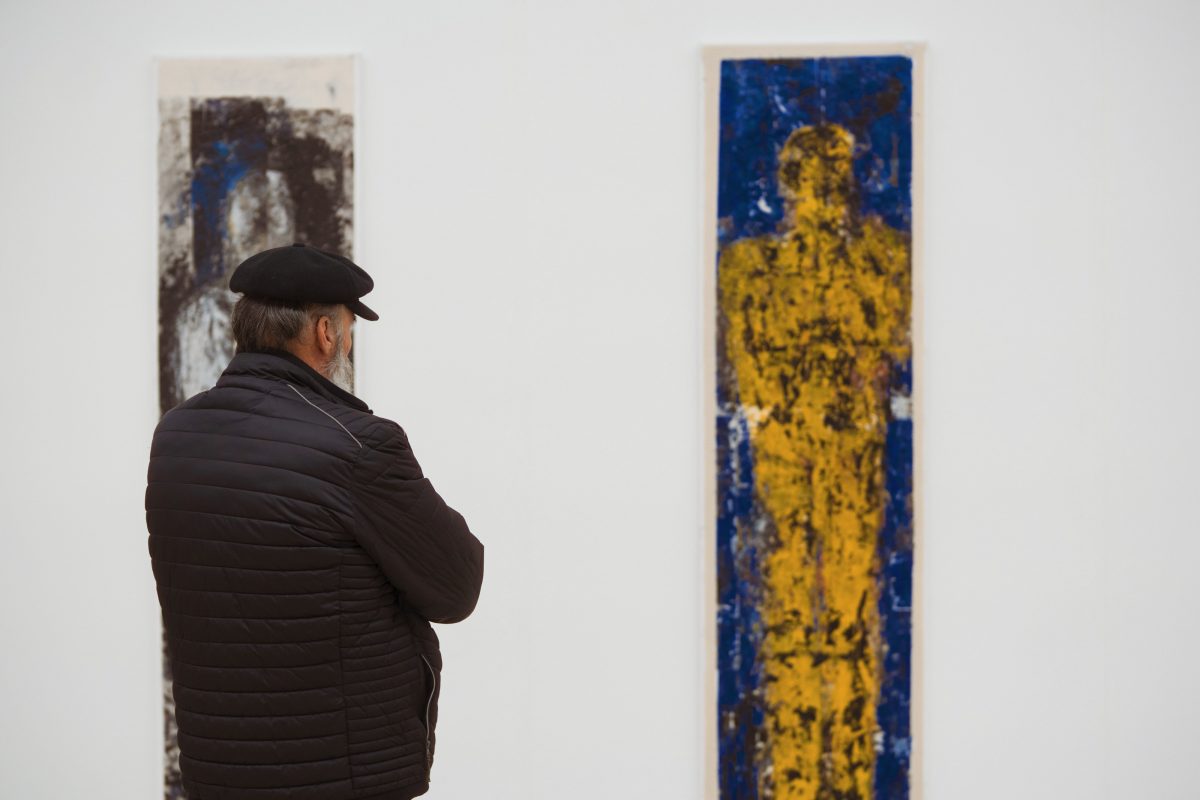
Oman transformed these spiritual impulses into his central cycle, Ecce Homo, infusing it with a contemporary expression that echoes from the past into our own time. He endowed the cycle with a universal humanistic message that endures as long as humanity endures.
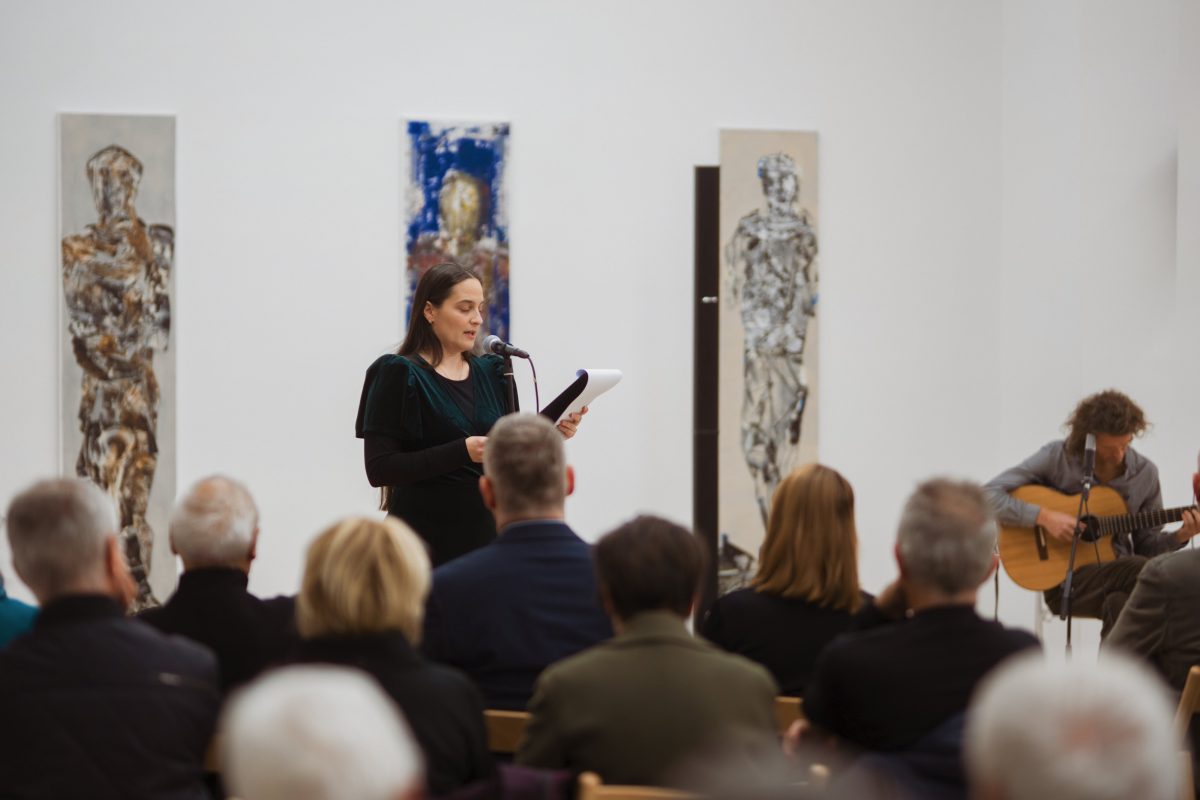
Each of Oman’s painted or metal- or glass-printed depictions is a monument to the human being. His characteristic figures do not reveal themselves; instead, they fold inward, becoming shadows and shells, sunk into the illusion of corporeality. In the image of every person, they are elevated into an awareness of the sanctity of life.
In their hieratic poses, they may appear as guardians of stolen memory and tattered transience; at other times, they evoke the desperate wandering of refugees, so emblematic of our time, marked by the world’s suffering and the re-evaluation of long-held values. Oman’s Ecce Homo is both a cry of helplessness and a cry of hope. His visual address underscores the ethical mission of art, guiding us toward reflection and insight into meaning, while the figurative images serve as intercessors, conveying hope and faith in a better world.
— Marko Košan, exhibition curator
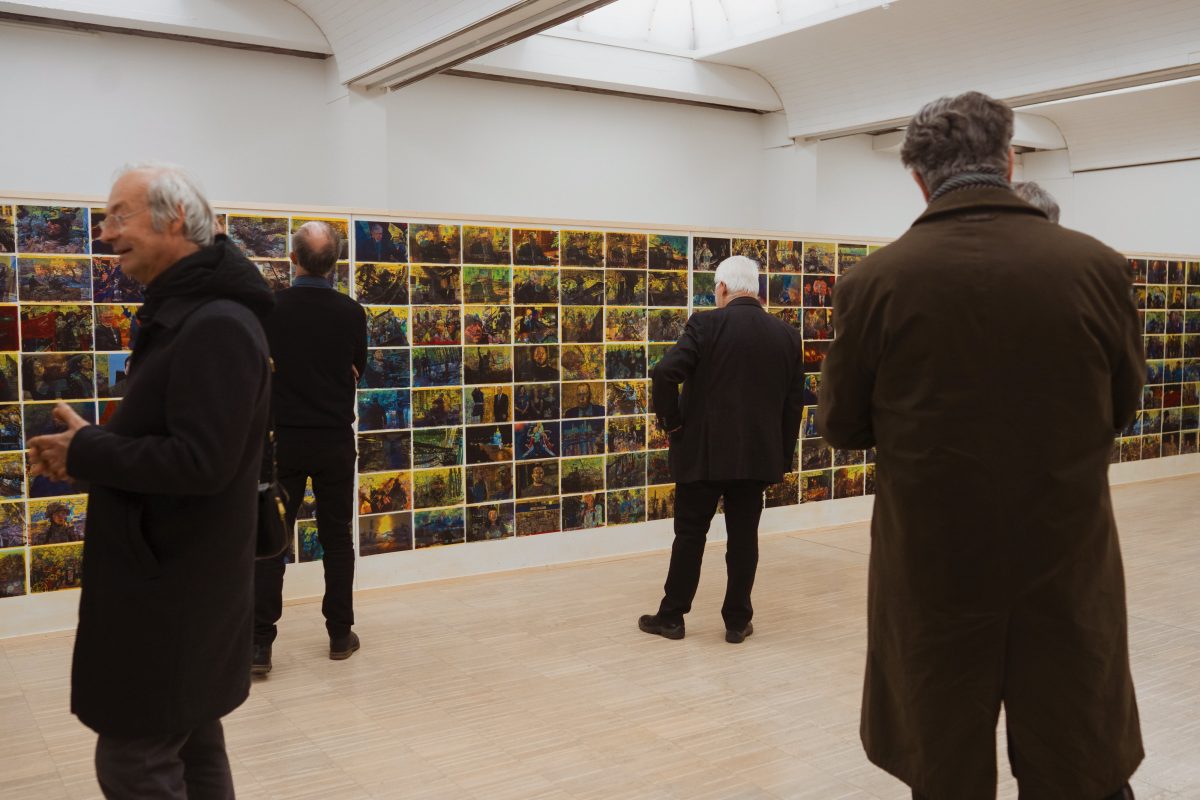
The Carinthian Gallery of Fine Arts holds eighty-two artworks by this great Carinthian artist, significantly enriching its permanent collections. A special place is occupied by photographic collages created under extraordinary circumstances at the outbreak of the tragic war in the former Yugoslavia in 1991. During his stay in Piran—where he was then working on his monumental Via Crucis—he produced a series of moving works, assembled into an artist’s book, a diary precisely defined by time and place: from 16 September to 17 October 1991, in Piran, Slovenia, on the border with Croatia. This harrowing document of the devastating Balkan war echoed throughout his later works, including his designs for churches and other public spaces.
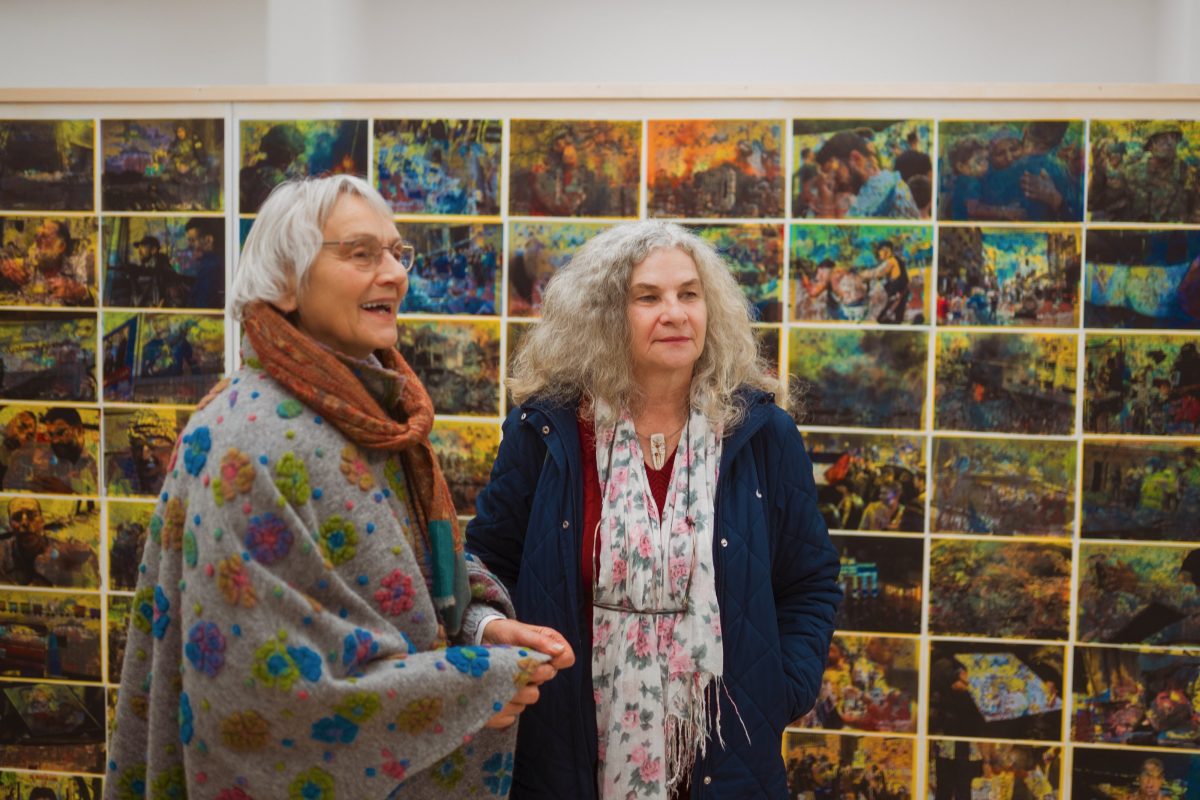
With equal emotional intensity, he created a new series of images last year and the year before, reflecting the tragic dimensions of the ongoing wars in Ukraine and the Palestinian Gaza. The public will see these works for the first time, in a special and evocative presentation, at the concluding event of the Oman Year.